

Latest Headlines
- West Roberts Road Closed Again Beginning Wednesday
- Century Approves Lower Tax Rate, $8.48 Million Budget
- Still Searching: Danielle Bell Has Now Been Missing From North Escambia For 25 Years
- Barrineau Park Historical Society Donates $500 To Molino Park Elementary STEM Program
- Florida Attorney General Seeks Halt to OpenAI Development
- ECFR: Grease Fire On Stove Caused Cantonment Mobile Home Fire
- Century Correctional Inmate Serving Life For Murder Assaulted Correctional Officer, FDC Says
- Tate Aggies Sweep Milton On Senior Night (With Photo Gallery)
- Ascension Sacred Heart Names New President
- Cottage Hill Search Leads To Two Arrests; ECSO Report Reveals Foul Play Suspected In Man’s Disappearance

Escambia, Santa Rosa Partner To Turn Damaged Signposts Into Artificial Reefs
September 10, 2026
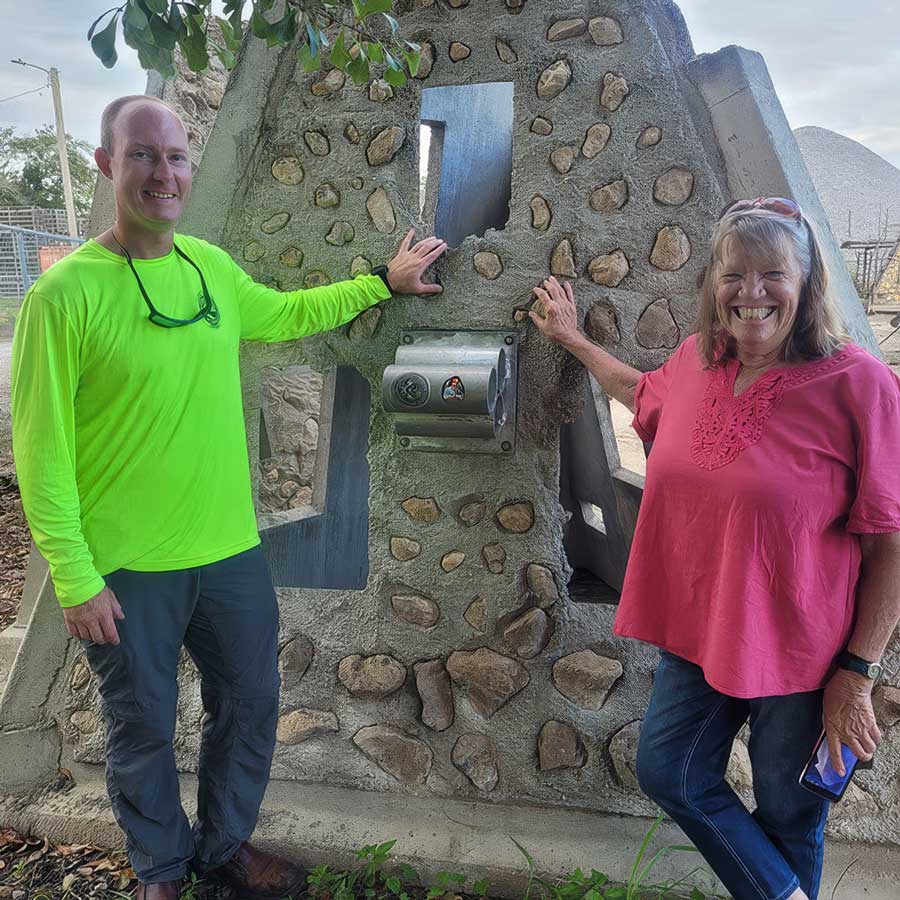
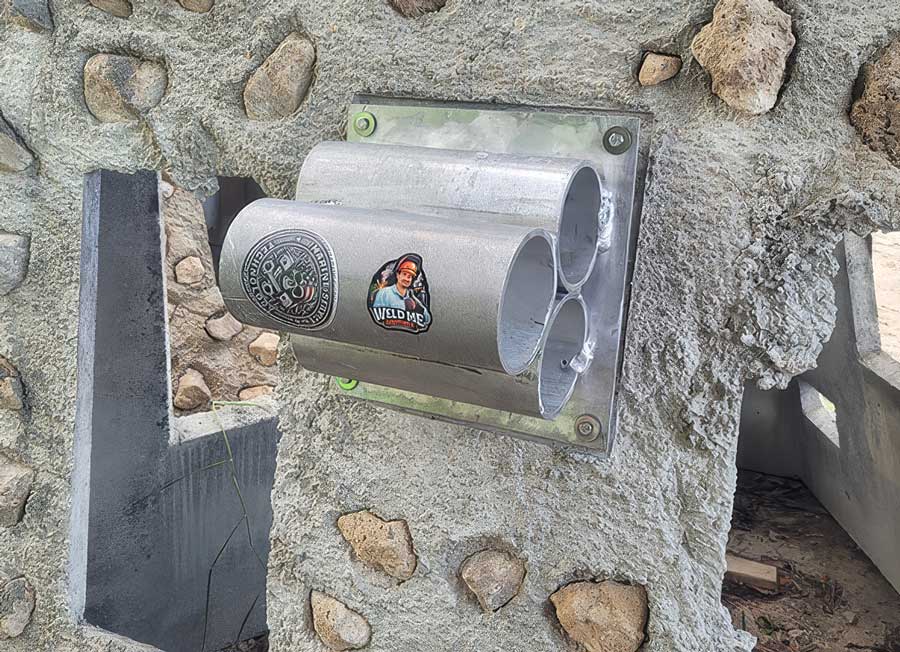
Escambia and Santa Rosa counties are teaming up on an innovative “reef-cycling” initiative to repurpose damaged metal signposts into underwater micro-habitats. By embedding the scrap metal into concrete reef modules, the
collaboration unites local governments, vocational education, and coastal stewardship to enrich local marine ecosystems and coastal communities alike.
The pilot effort aims to test whether adding metal frameworks to selected concrete modules creates effective shelter for small fish and invertebrates. Funded by the Florida Fish and Wildlife Conservation Commission through the Natural Resources Damage Assessment program, the broader undertaking will place 124 concrete reef units in the Escambia County near-shore east site, with the salvaged signposts serving as supplementary habitat structures.
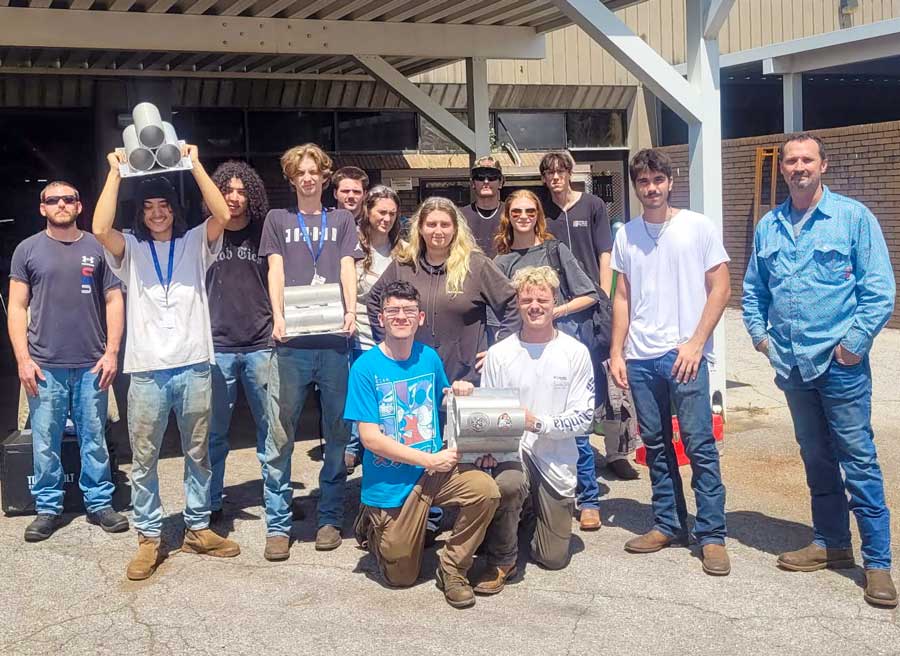 Welding students from George Stone Technical College are playing an active role in fabrication, shaping the decommissioned signposts into attachments engineered for the reef modules. The work provides these students with direct, hands-on shop experience on a project that delivers tangible environmental value to their home waters.
“We’re excited about this partnership between both counties and George Stone Technical College, which not only provides valuable experience for George Stone welding students, but also benefits local divers, anglers, and marine life through this new underwater habitat,” said Robert Turpin, Escambia County Marine Resources Division Manager. “This new habitat will be a great addition to our artificial reefs, providing opportunities for important scientific research into the relationships between reef habitat and marine species.”
“Working with Escambia County on this project has shown what we can accomplish when we look for creative solutions together,” said Chris Verlinde, Natural Resources Coordinator for Santa Rosa County. “This collaboration extends beyond jurisdictional boundaries to protect and enhance our shared natural resources. By repurposing materials into artificial reef habitat, the counties are reducing waste, strengthening the region’s reef network, and creating benefits for marine life, education, and recreation.”
By turning roadside waste into submerged living systems, both counties are cutting landfill debris, reinforcing Northwest Florida’s artificial reef infrastructure, and training the area’s future technical workforce.
Comments
One Response to “Escambia, Santa Rosa Partner To Turn Damaged Signposts Into Artificial Reefs”
This is such a exciting idea for those students. What a partnership with an simple yet innovative idea. Im excited to see where this goes in the future and perhaps this will lead more attractions under our waves