

Camp Fire Kids Spread Christmas Cheer
December 25, 2014
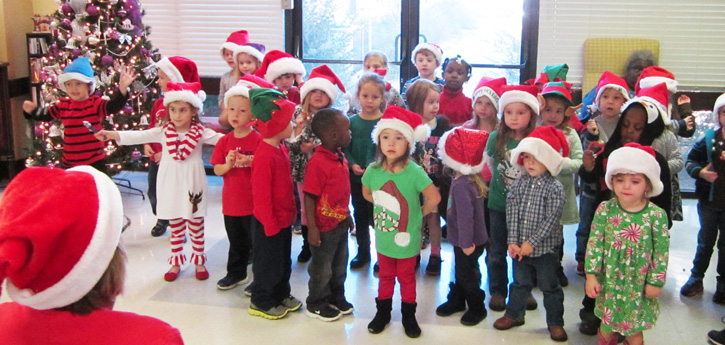
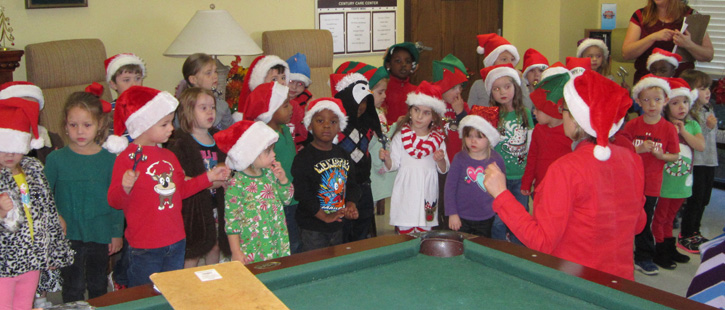
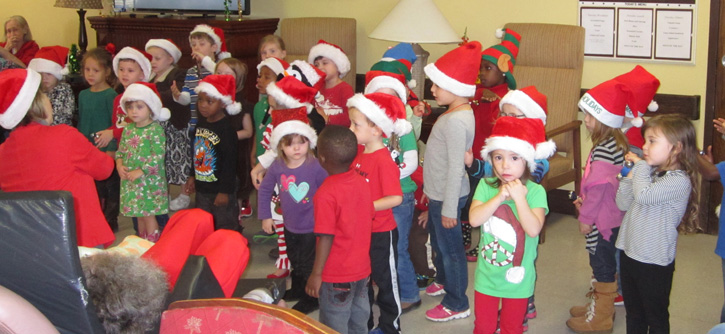
The students of the Camp Fire USA Century Learning Center recently visiting the Century Health and Rehabilitation Center to spread Christmas cheer with carols and Christmas cards for the residents. Photos for NorthEscambia.com, click to enlarge.
Man Arrested In Shooting That Injured Two
December 25, 2014
An arrest has been made in a shooting incident that occurred Tuesday night that put two Escambia County men in the hospital
 Kieshjuan Abrams, 25, has been charged with two counts of attempted murder, two counts of armed robbery, and one count each of aggravated assault with a deadly weapon, reckless or negligent discharging of a firearm, firing a weapon into a vehicle, and possession of a weapon by a convicted felon.
Pensacola Police were dispatched to the 1400 block of West Lloyd Street where they found two males – ages 28 and 22 – has been shot while seated in a vehicle in a parking lot at Sanchez Court. Detective Pat Bradley said a witness identified Abrams, who voluntarily came to police headquarters Tuesday night for questioning.
Abrams and a second male suspect left the scene after the shootings, but not before they took money and other valuables from the victims. The robbery appears to be drug-related and remains under investigation, police said.
Abrams remained in the Escambia County Jail with bond set at $1.65 million.
The Gun Crime Response Team and Bureau of Alcohol, Tobacco and Firearms assisted with the investigation.
Anyone having information on the incident is asked to contact the Pensacola Police Department at (850) 435-1900.
A Look Back: Ernest Ward High School Christmas Past
December 25, 2014
Here’s a look back at Christmas past at Ernest Ward High School, with a peek into the pages of the 1955, 1971 and 1988 yearbooks. Click any of the images to enlarge.
Below: The 1955 Christmas Pageant at Ernest Ward High School.

Below: “In Celebration of Christmas”, 1988, Ernest Ward High School.

Below: “Christmas Present And Future”, 1988, Ernest Ward High School.
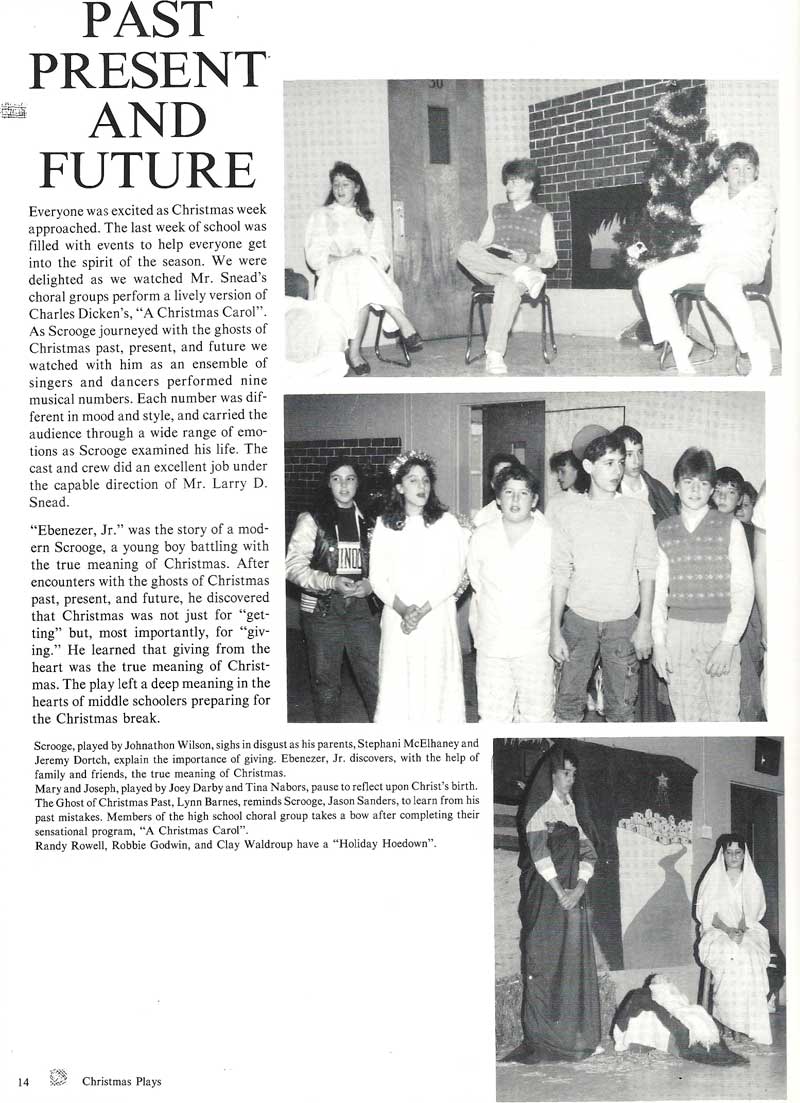
Below: Christmas 1971, Ernest Ward High School.

Special thanks to Sherri Stallworth and Delaney Reynolds, EWMS Yearbook staff, for their research in finding these photos. Photos courtesy Ernest Ward Middle School for NorthEscambia.com, click to enlarge.
Christmas Recipes: Rice Krispie Treats, Oatmeal Cookies, Hot Chocolate
December 25, 2014
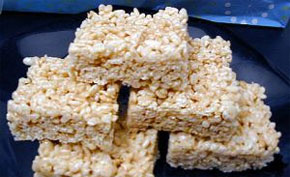 Here are some family time favorites for this Christmas Day.
Today’s recipes include Traditional Oatmeal Cookies, Crockpot Candy and Rice Krispie Treats — perfect recipes for the family to make together. And what would Christmas be without Hot Chocolate? Our quick and easy recipe can easily be increased to make enough for everyone, plus it’s easy to include some extra cocoa powder for a deeper, darker treat.
Crock Pot Candy
- 16 oz Salted Peanuts
- 16 oz UnSalted Peanuts
- 4 oz German Chocolate Bark
- 1 pkg Almond Chocolate Bark
- 1 pkg Butterscotch Morsels
Put all ingredients into crock pot. Cook on low for 2 hours. Do not stir or open lid. After 2 hours, turn off crock pot, stir candy and drop in clusters onto wax paper. Let cool and enjoy. This recipe will make 70-90 pieces of candy, depending on the size.
Traditional Oatmeal Cookies
- 1 cup (2 sticks) salted butter, softened
- 1 cup firmly packed brown sugar
- 1/2 cup granulated sugar
- 2 eggs
- 1 teaspoon vanilla extract
- 1 1/2 cups all-purpose flour
- 1 teaspoon baking soda
- 1 teaspoon cinnamon
- 1/2 teaspoon salt (optional)
- 3 cups of Quaker Oats (Quick)
- 1 cup raisins (optional)
Preheat oven to 350° F. Beat together butter and sugars until creamy. Add eggs and vanilla extract; beat well. Add combined flour, baking soda, cinnamon and salt; mix well. Slowly stir in oats. Drop by rounded tablespoon onto an ungreased cookie sheets. Bake 10 to 12 minutes or until golden brown. Cool 1 minute on sheet, remove to wire rack.
Rice Krispie Treats
- 1/4 cup butter
- 1 (10 oz., about 40) pkg. regular marshmallows or 3 cups miniature marshmallows
- 6 cups Kellogg’s Rice Krispies cereal
In a large saucepan, melt butter over low heat. Add the marshmallows and continue to stir until the marshmallows have completely melted. Remove from heat. Stir in the Kellogg’s Rice Krispies cereal coating them well with the melted marshmallow mixture. Using a buttered or silicone spatula, press the mixture evenly into a 13 x 9 x 2 inch pan which has been buttered or sprayed with non-stick spray or lined with wax paper. Cut into squares when the mixture cools. Makes 24 squares.
MICROWAVE DIRECTIONS:
Microwave butter with marshmallows on high setting for 2 minutes in a microwave safe mixing bowl. Stir together when melted. Microwave again on high for 1 additional minute. Stir in cereal, mixing until well coated. Press into pan as above.
Hot Chocolate
- 1 tbsp. cocoa powder
- 2 tbsp. sugar
- 2 tbsp. water
- 1 c. milk
- a bit of vanilla, if desired
Combine cocoa, sugar, and water in a small saucepan. Heat it on low heat, stirring occasionally to prevent the paste from sticking to the pan. After about 1 to 2 minutes, add milk and vanilla. Mix it all together until it reaches your preferred temperature.
Photo: Glorious Sunset
December 25, 2014

The North Escambia area enjoyed an unusually beautiful sunset Christmas Eve, as seen here from Walnut Hill. NorthEscambia.com photo, click to enlarge.
Cost Of Christmas Lighting Still A Bargain
December 25, 2014
Outdoor lighting is as much a part of the holiday season as Santa and gift giving. Have you ever wondered how much it costs to operate those lights on your home or business?
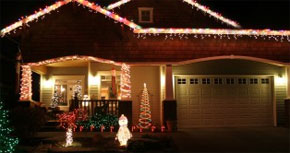 Traditional larger bulbs are the most widely used, but cost the most to operate. One string of these incandescent lights can consume more than $1 of electricity a day. That adds up when you put up a few strings of lights and leave them on for the holiday season, according to Gulf Power.
Miniature holiday lights are a less costly option, and have replaced larger bulbs in many decorations. One string of miniature lights uses less than 3 cents per day.
For even greater savings you can use Light Emitting Diodes (LEDs) instead of bulbs. LEDs use 90 percent less energy, can last years longer and, since LED bulbs generate less heat, they make for safer illumination as well. LED lights are more expensive to buy; however, at less than half a cent per day to operate, a string of LED bulbs will pay for itself quickly.
You can also lower your holiday energy use by putting your lights on a timer. Be sure to use a durable timer that is made to withstand the elements, Gulf Power recommends.
McDavid Man Passes Away Following Dec. 8 Crash
December 24, 2014
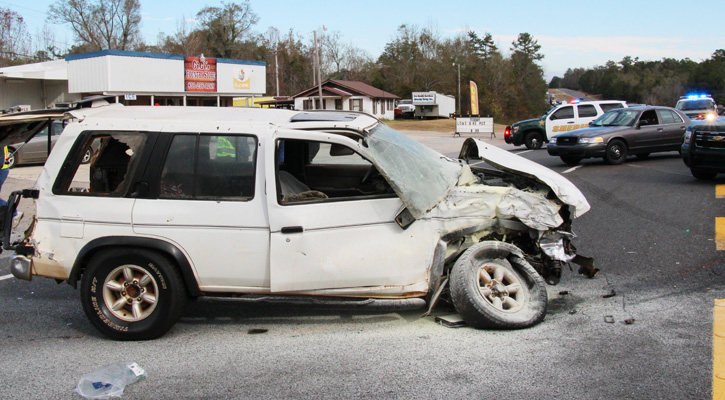
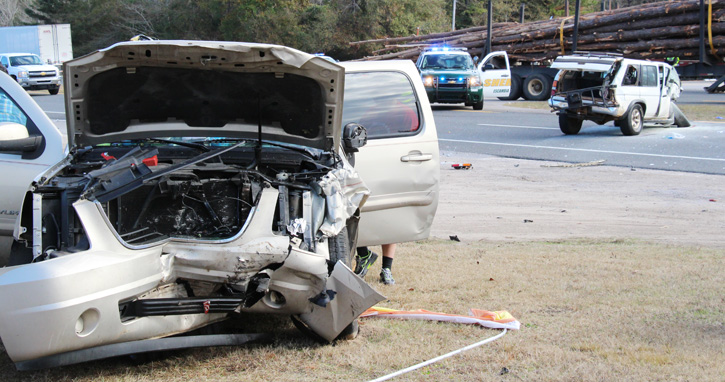
A McDavid resident has passed away from injuries he received in a December 8 traffic crash on Highway 29.
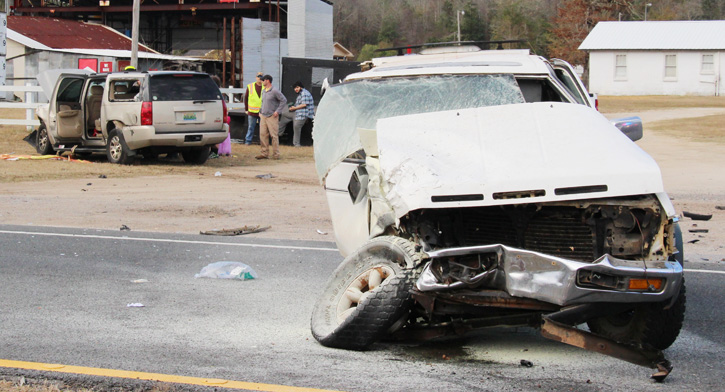 Family members said 44-year old Troy Bryon Ard passed away at a Pensacola hospital. He was ejected from his vehicle during a wreck on Highway 29 in front of the McDavid Volunteer Fire Department.
According to the Florida Highway Patrol, Ard was northbound on Highway 29 in his 1994 Nissa Pathfinder when he made a left turn in front of a southbound GMC Yukon driven by 35-year old Layla Waters of Flomaton.
Ard passed away at 12:20 p.m. on Saturday, December 20 at Sacred Heart Hospital.
Waters received minor injuries as did her five passengers — 55-year old Renita Henderson, 17-year old Alan Henderson, 14-year old Beau Henderson, 11-year Ember Waters and one-year old Callum Waters, all of Flomaton. Each was treated and later released from Sacred Heart Hospital of Jay Hospital.
Any charges in the crash are pending, according to the FHP.
NorthEscambia.com photos, click to enlarge.
FDOT Suspends Road Construction Projects Until January
December 24, 2014
The Florida Department of Transportation District Three office is suspending highway construction projects on major roadways across Northwest Florida. There will be no work on state roads requiring lane restrictions from Wednesday, December 24 through Monday, January 5. All major roads will be open to normal traffic.
 Although no construction closures are scheduled over the holiday weekend, existing state highway work zones will remain in effect. Motorists are reminded to use caution while traveling through work zones around barricades and equipment.
FDOT is encouraging drivers to allow extra travel time and to use extra caution in existing work zones along state highways. Drivers are urged to make sure they buckle up, along with their passengers. FDOT and other safety agencies also ask drivers to obey speed limits, get adequate rest before traveling, avoid distractions and never drink and drive.
Drivers also are urged to be prepared for unscheduled highway closures due to accidents, disabled vehicles or other events. Motorists should be alert to changing weather conditions while traveling.
Health Department Offers Tips For Safe And Healthy Holiday Season
December 24, 2014
As the Christmas season kicks into high gear, the Florida Department of Health would like to remind everyone to stay safe, prepared and aware. With the excitement of the holidays in the air, it can be easy to forget about safety precautions and careful behavior.
“The Department of Health encourages everyone to put safety into practice, particularly during the holidays,” said State Surgeon General and Secretary of State Dr. John Armstrong. “We want all Floridians and visitors to have memories of a joyous holiday season.”
The Department of Health offers the following tips to ensure a safe and healthy holiday season:
- Handle and Prepare Food Safely. As you prepare holiday meals, keep yourself and your family safe from food-related illness. Always wash your hands before preparing foods and after handling raw meat. Avoid cross-contamination by keeping raw meat, poultry, seafood, and eggs (including their juices) away from ready-to-eat foods and eating surfaces. Cook foods to the proper temperature and refrigerate promptly. Do not leave perishable foods out for more than two hours. Also, be aware of ingredients that may cause allergic reactions.
- Practice Fire Safety. Use flame-resistant, flame-retardant and non-combustible materials and keep candles away from Christmas trees, decorations and combustible materials. Before you string lights on your house or trees, inspect the strands, to make sure there aren’t any frayed cords or cracked bulbs. Also, don’t use indoor lights outside and vice versa. Check the tag on the string of lights to be sure. Be sure to install or check smoke alarms, and unplug your Christmas tree during sleeping hours.
- Travel Safely. When traveling, have a trusted friend or neighbor keep an eye on your home and avoid speaking to strangers about your travel plans. Avoid driving alone or at night and always be aware of your surroundings. Text messaging can wait until you safely arrive at your destination. Always park in well-lit areas and do not leave the car unoccupied with the motor running or with children inside.
- Prevent Carbon Monoxide (CO) Poisoning: As temperatures drop, the potential for CO poisonings rise. CO is a highly poisonous gas produced by burning fuels such as gasoline, natural gas, propane, kerosene, charcoal, and wood. The Department discourages citizens from burning charcoal inside a house, garage, vehicle, or tent, including in a fireplace.
- Watch the Kids. Children need to be watched closely, especially when they’re eating and playing. Keep potentially-dangerous toys, food, drinks, household items, choking hazards (like coins and hard candy) and other objects out of kids’ reach. Do not leave children unattended around space heaters or the fireplace.
Holiday Closures
December 24, 2014
Here are Escambia County holiday office closures:
Closed Thursday, December 25
The following offices will be closed:
- Escambia County Board of County Commissioners
- Escambia County Clerk of the Circuit Court and Comptroller, all locations
- Escambia County Property Appraiser
- Escambia County Supervisor of Elections
- Escambia County Tax Collector
- Escambia County Area Transit (ECAT)
- West Florida Public Library System
- Town of Century
- ECAT – No bus service
Closed Friday, December 26
The following offices will be closed:
- Escambia County Board of County Commissioners
- Escambia County Clerk of the Circuit Court and Comptroller Finance, Official Records and Clerk to the Board offices. All other locations will be open
- Escambia County Property Appraiser
- Escambia County Supervisor of Elections
- Escambia County Tax Collector
- Escambia County Area Transit (ECAT), administrative offices only
- West Florida Public Library System
- Town of Century
- ECAT — regular bus service
Exceptions:
- Escambia County 911 Dispatch, EMS and Fire Services are open daily to serve our citizens
- Perdido Landfill, excluding the administrative offices, will reopen on Friday, December 26