

Wahoos One Win Away From Co-Championshp
September 8, 2017
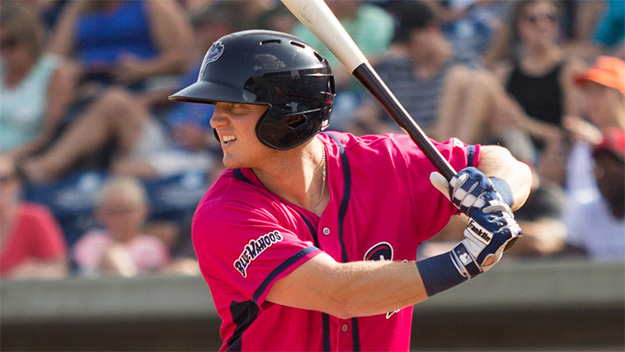
Pensacola starting pitcher Jose Lopez delivered the second straight eight inning outing for the Blue Wahoos in the Southern League South Division Championship Series.
Behind Lopez’s three-hit, nine-strikeout performance, Pensacola defeated the Jacksonville Jumbo Shrimp, 6-3, Thursday in front of 3,256 at Blue Wahoos Stadium. The Blue Wahoos have won the first two games of the playoff and are one game away from becoming the Southern League co-champions.
Lopez’s outing came after Pensacola starting pitcher Deck McGuire threw eight scoreless innings with a career-high 13 strikeouts.
Pensacola manager Pat Kelly called the game Lopez turned out “outstanding,” giving the Blue Wahoos a five game winning streak over Jacksonville.
“It was a really, really tremendous job,” Kelly said. “Deck (McGuire) did great yesterday and he did just as good.”
It was the second playoff appearance for Lopez, who pitched for the Billings Mustangs in 2015 in the Pioneer League playoffs. To add even more pressure, in his past two starts against Jacksonville, Lopez is 0-1 with a 6.59 ERA and lasted 4.2 and 4.0 innings. He allowed six earned runs on eight hits and 10 walks and struck out 11.
“It was just a mental thing,” Lopez said about his first two outings. “It’s fun to win. The playoffs make it a little more special.”
Austin Ross, who is 9-0 with a 1.87 ERA, takes the mound for Pensacola in the third game of the best-of-five series at 1:05 p.m. Friday that is free to fans, who are requested to donate for Hurricane Irma Relief. The Blue Wahoos have come to rely on their starting five this season with the second-best ERA in the Southern League at 3.14.
“I can’t think of a better guy to have on the mound to clinch it,” Kelly said.
Speaking of clutch players, Pensacola left fielder Josh VanMeter clubbed a two-run homer in the seventh inning with center fielder Gabriel Guerrero on base to give Pensacola a 6-1 lead. It was his first in the playoffs and sixth of the season. In the first two playoff games, Van Meter is 7-for-8 with a home run and four RBIs. The utility player also has a double and a stolen base.
“Definitely, this is the time to get hot,” said VanMeter, who hit .375 and drove in 27 runs with two outs and runners in scoring position this year. “I’ve been pretty good in clutch situations. These are the games you live for.”
Kelly said VanMeter’s home run came with all kinds of benefits, such as allowing Pensacola to save Zack Weiss and other relievers for Friday’s game. That’s because reliever Robert Stock gave up a two-run homer in the ninth inning that would have made the game a 4-3 nail biter, instead of a still comfortable 6-3 lead.
“It took the air out of (Jacksonville’s players),” Kelly said. “There are a lot of things involved right there.”
Pensacola first baseman Gavin LaValley launched a high flyball for a two-run home run to right field into Hill-Kelly hill with VanMeter on base to put the Blue Wahoos ahead, 2-0, in the second inning. His fourth homer for Pensacola was LaValley’s first since July 7 and 19th this season counting his first half with the High-A Daytona Tortugas.
“That was huge to get a lead on (Jacksonville pitcher Matt) Tomshaw right there,” Kelly said.
Blue Wahoos shortstop Blake Trahan added one more run in the inning when he lined a single to center to drive in Aquino to make the score, 3-0.
Jacksonville rallied with two outs in the third inning to get a run, when center fielder Braxton Lee doubled to left field and left fielder Austin Dean smacked a single to left to drive him in and trail Pensacola, 3-1.
Arismendy Alcantara hit his first home run for Pensacola when he belted a fly ball over the fence to right field to extend the Blue Wahoos lead to, 4-1.
Blue Wahoos co-owner and PGA Tour player Bubba Watson already proved he could motivate the Pensacola ball players when he gave a pep talk before Thursday’s playoff game. Then, the two-time Masters Champion donned the roach costume for the Lewis Critter Gitter Roach Race and looked like he could pinch run, if Pensacola needed him.
“It was pretty cool considering his status and who he is,” VanMeter said. “He is so down to earth. He came in and treated us like he knew us.”
Kelly said Watson’s talk to the players was great.
“I think it means a lot,” Kelly said. “You could see his passion. He loves not only his sport, but he loves our sport, too.”
Scott Orders All Schools, Colleges And Offices Closed Friday, Monday
September 7, 2017
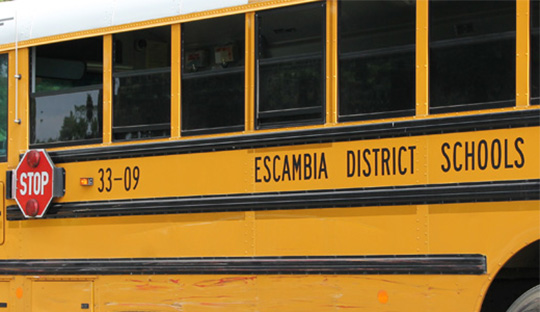
Today, Governor Rick Scott is directing all public K-12 schools, state colleges, state universities and state offices to close Friday, September 8 – Monday, September 11.
Governor Scott said, “Today, I am directing the closure of all public schools, state colleges, state universities and state offices for their normal activities effective Friday through Monday, to ensure we have every space available for sheltering and staging. Floridians are facing a life-threatening storm in Hurricane Irma, and every family must prepare to evacuate. Our state’s public schools serve a vital role in our communities as shelters for displaced residents and staging areas for hurricane recovery efforts. Closing public schools, state colleges, state universities and state offices will provide local and state emergency officials the flexibility necessary to support shelter and emergency response efforts.”
Pensacola Christian Academy and Pensacola Christian College will both be open on Friday. Since PCA is not part of the public shelter system, we are not included in the public closures and are able to stay open at this time.
SPORTS:
The Tate vs Gulf Breeze and the Pine Forest vs Pace football games have been cancelled.
These games will continue Friday night at 7:00 p.m.:
Volleyball: F/JV/V Washington at Escambia
Varsity: West Florida at D’Ibervile
Varsity: Archbishop Rummel at Escambia
Varsity: Northview at South Walton
Varsity: Pensacola at Booker T. Washington
On Saturday:
Volleyball Varsity Aggie Invitational will be held at Tate
West Florida XC Classic will be held at West Florida High, 7:00 a.m. – 9:00 a.m.
One Injured In Highway 29 Crash Near Molino
September 7, 2017
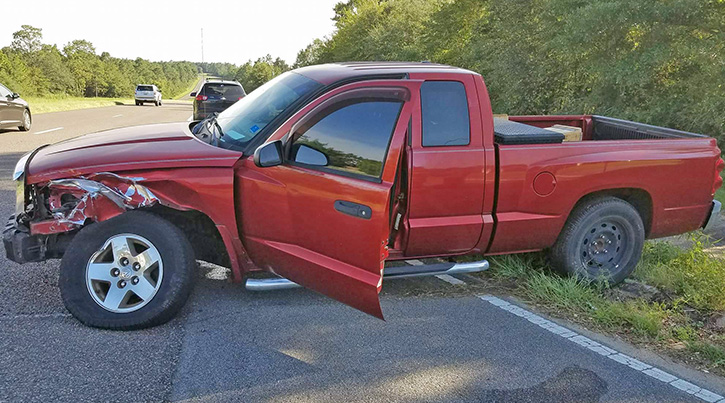
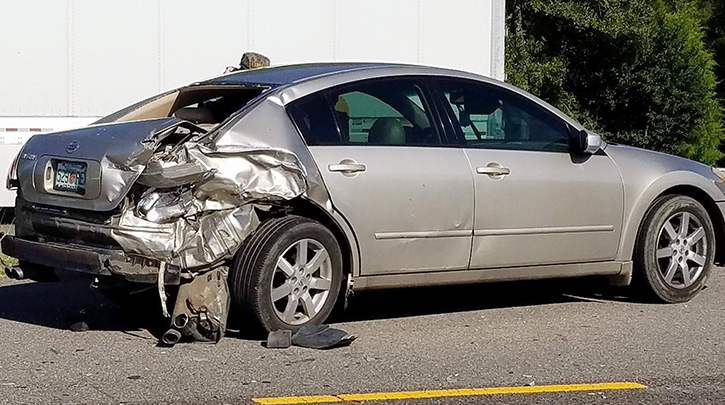
One person was injured in a two vehicle crash on Highway 29 at Booth Lake Road near Molino Thursday afternoon. The accident happened about 4:15 p.m. Two other people involved refused medical transport. NorthEscambia.com photos by Kristi Barbour, click to enlarge.
Missing Flomaton Woman Found Safe
September 7, 2017
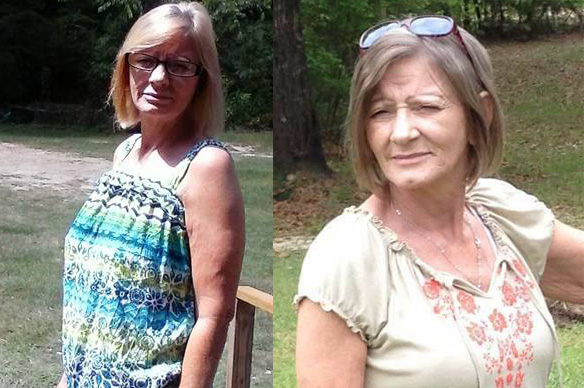
UPDATE — This missing person has been found safe.
Authorities are searching for a missing woman last seen in Flomaton.
 Family members in Mississippi last heard from Shirley Ann Vanosdol on Tuesday, according to Flomaton Police Chief Bryan Davis, when she told a relative on the phone that she was “scared”.
The Flomaton Police Department located a cell phone that is believed to belong to Vanosdol at her residence on Wiley Drive in Flomaton. Vanosdol did not have a vehicle.
Vanosdol is originally from Leakesville, MS.
Davis said Vandosol is considered missing and endangered.
Anyone with information on the whereabouts of Shirley Ann Vanosdol is asked to call the Flomaton Police Department at (251) 296-5811 or their local law enforcement agency.
Fire Inside Cantonment Bar Causes Minor Damage
September 7, 2017
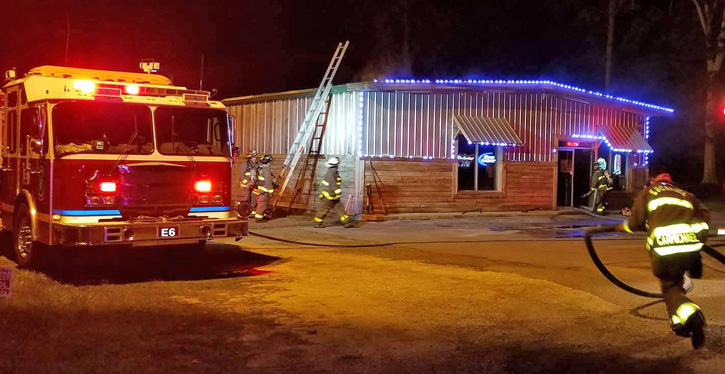
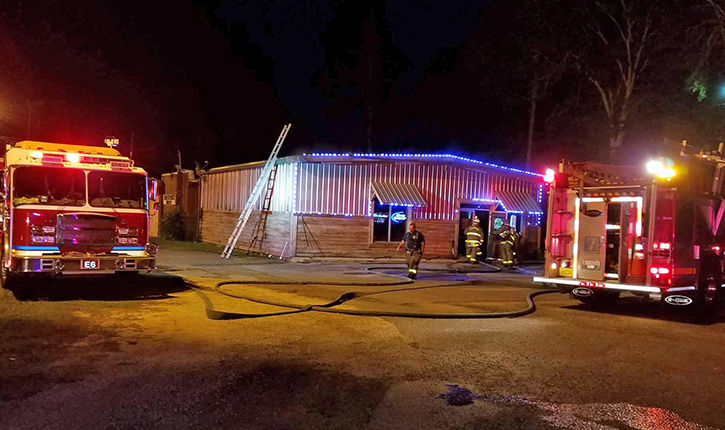
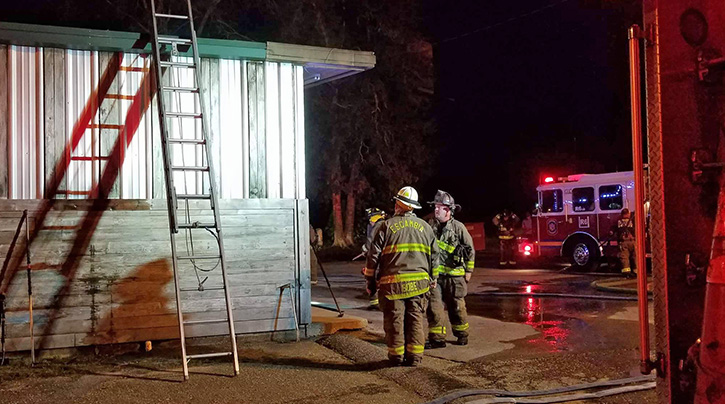
Firefighters quickly extinguished a fire inside a Cantonment bar early Thursday morning.
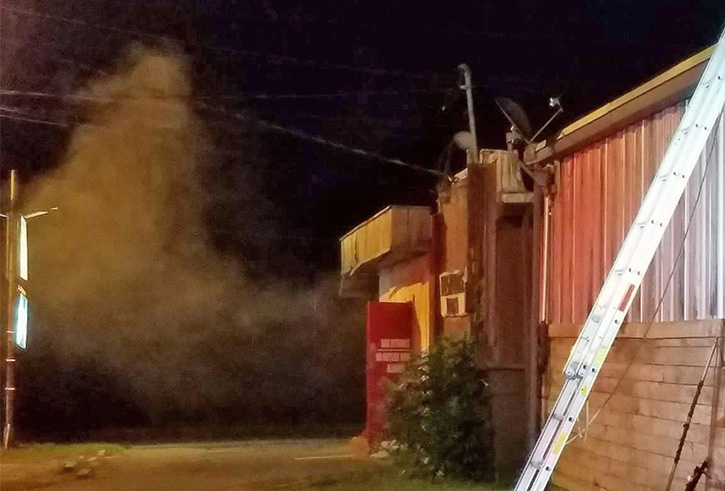
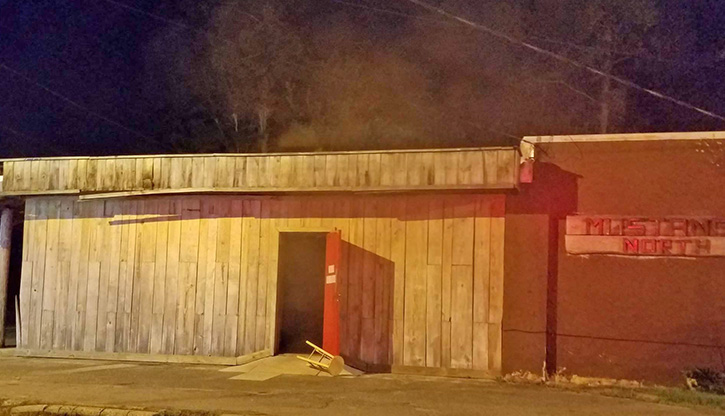
A passerby reported smoke from the roof of Mustang’s North on North Highway 95A about 2:20 a.m. Firefighters confirmed that there was smoke from the building, made entry into the bar and found a fire in a mens’ bathroom near the center of the building.
The fire may have started in a trashcan.
The bar was closed at the time of the fire. There were no injuries.
The exact cause of the fire is under investigation.
NorthEscambia.com photo by Kristi Barbour, click to enlarge.
Motorist Rescued After Hitting Deer, Falling Off Bridge
September 7, 2017
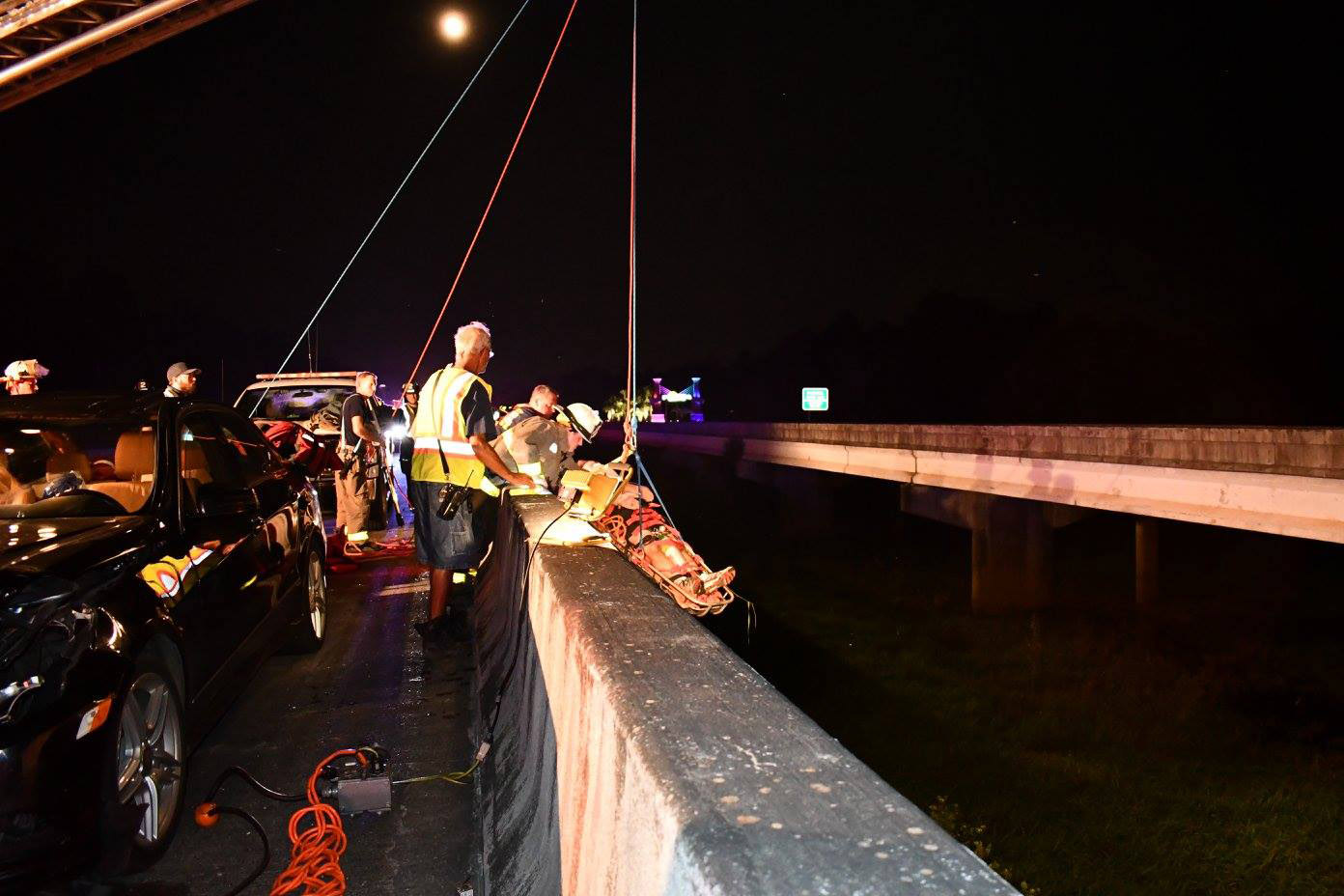
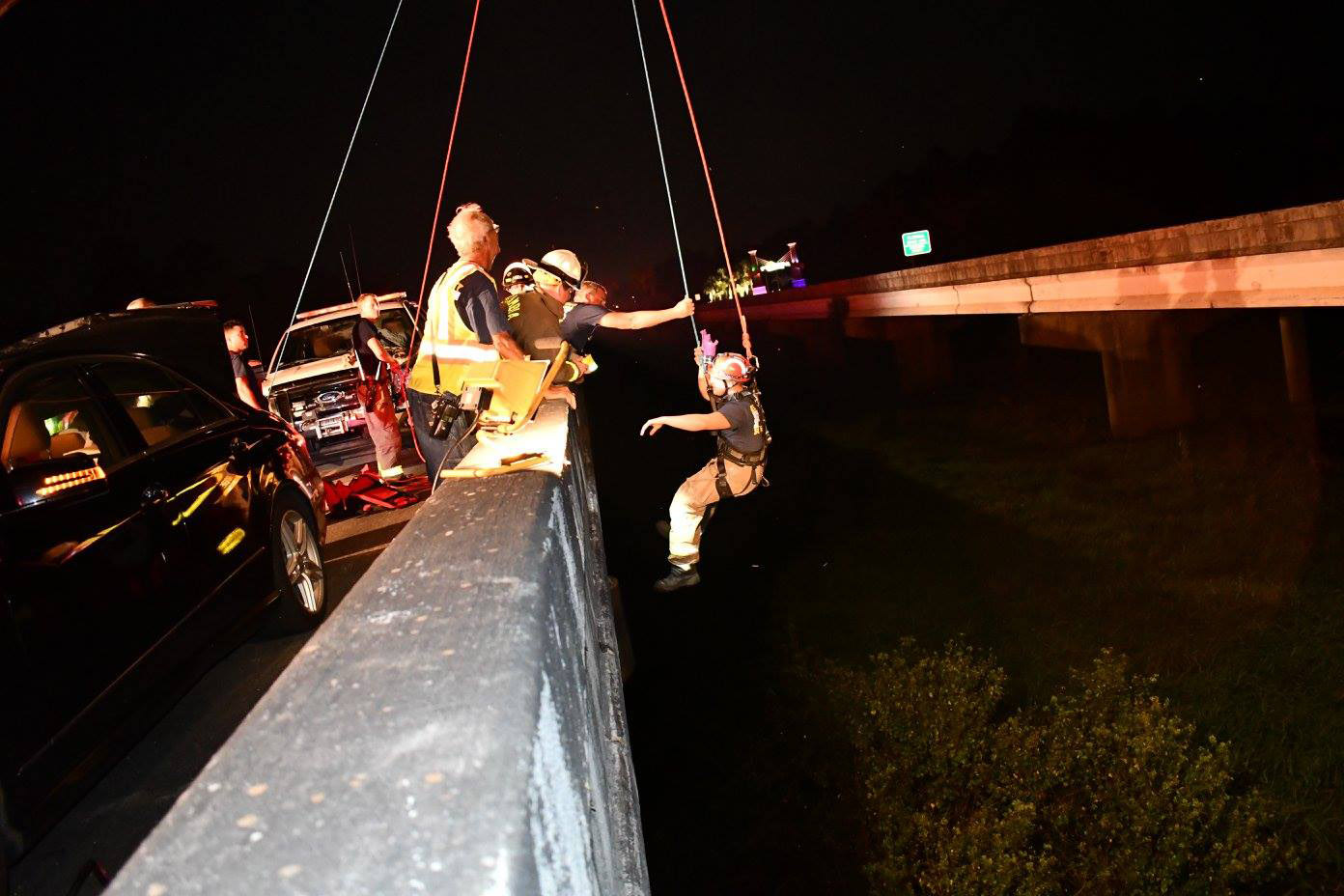
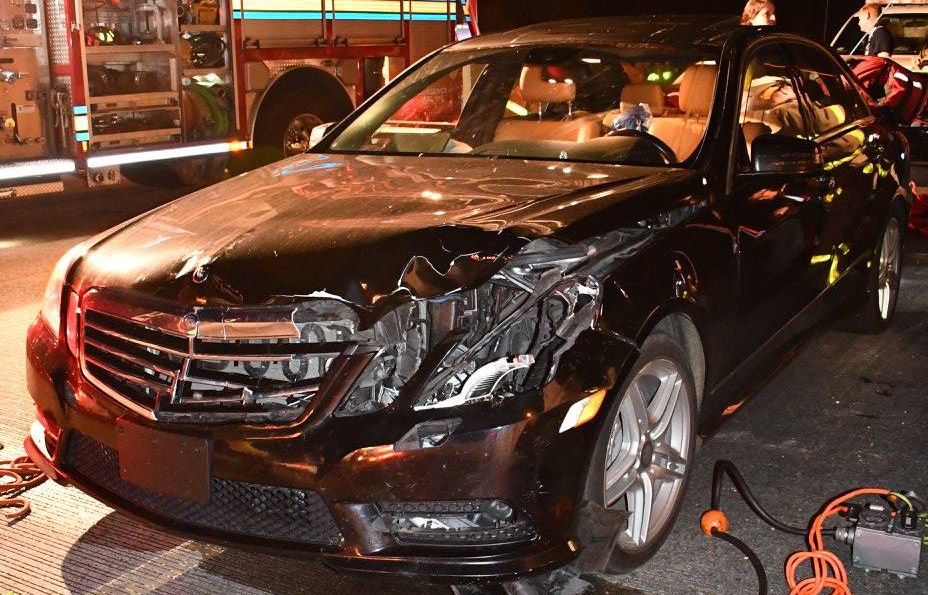
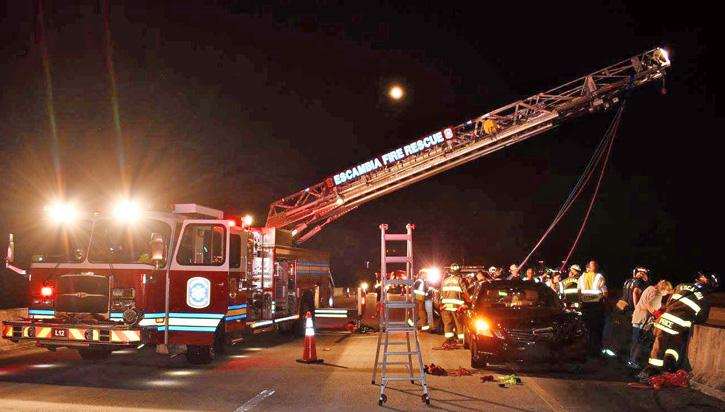
A motorist that had just hit a deer with their vehicle fell off if an I-10 bridge Wednesday night, prompting a rescue effort.
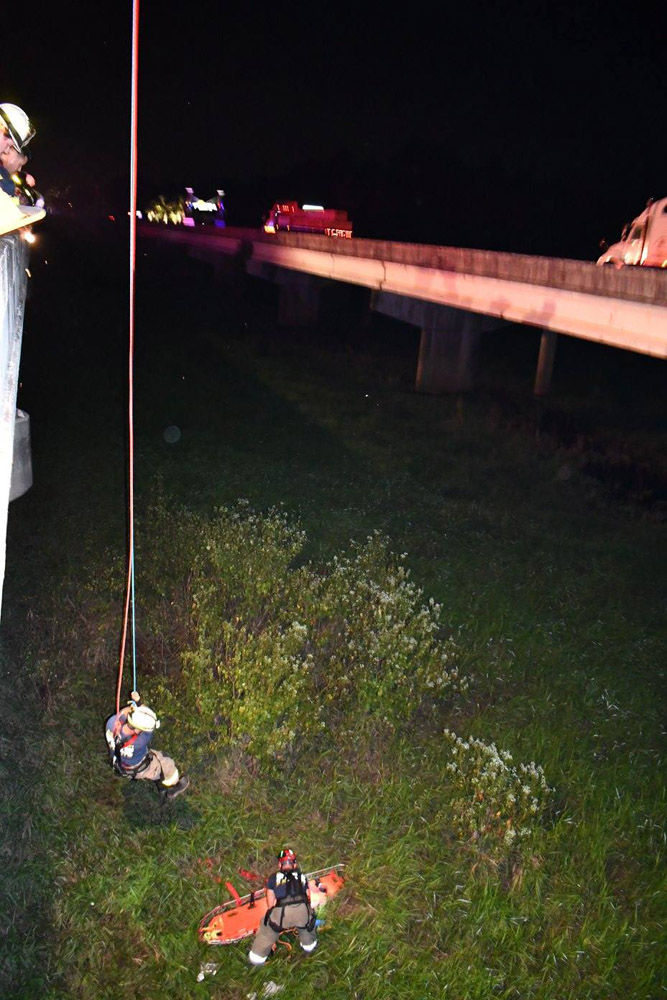 A man and his wife were traveling westbound on I-10 just past the Florida Welcome Center when they collided with a deer. The exited their vehicle, uninjured from the collision. Then, for an unknown reason, the man then stepped or fell over the concrete bridge railing. He fell about 20 to 25 feet to the ground below.
Multiple stations of Escambia Fire Rescue assisted in the rescue effort, including a special operations team using a ladder truck and rope rigging. The man was transported to an area hospital by Escambia County EMS with multiple injuries.
The rescue shut down I-10 westbound for over an hour.
The deer did not survive.
To see a photo gallery and watch the rescue step-by-step, click here.
NorthEscambia.com photos by Kristi Barbour, click to enlarge.
Century Council Schedules Last Minute Budget Workshop
September 7, 2017
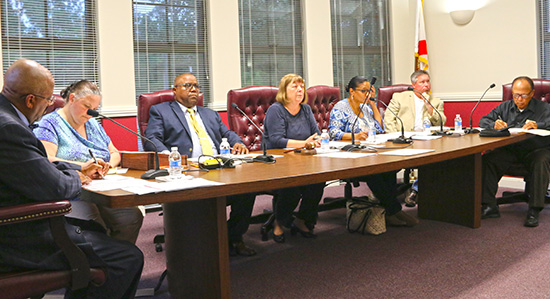
The Town of Century will hold a third and final budget workshop at 10 a.m. Friday, just ahead of public workshop to discuss the completed product.
The meeting will be held in council chambers and is open to the public.
The meeting was announced by email late Wednesday afternoon. The first reading of the budget is scheduled for Monday, September 11 at 6:50 p.m., just prior to a 7 p.m. council meeting.
NorthEscambia.com file photo, click to enlarge.
Blue Wahoos Shutout Jumbo Shrimp In Game One
September 7, 2017

Game one of the South Division Series featured two of the best pitchers in the Southern League and they did not disappoint. The Pensacola Blue Wahoos took a 1-0 lead in the final series of the season with 2-0 win over the Jacksonville Jumbo Shrimp.
Before the game, the Southern League announced that BC Powder Southern League Championship Series had been canceled due to Hurricane Irma. Each of the winners of the best-of-five North and South Division Series will be declared Co-Champions for the 2017 Southern League season.
Pensacola RHP Deck McGuire pitched eight shutout innings with a career-high 13 strikeouts while closer Zack Weiss pitched himself out of a jam after coming into the ninth inning with the bases loaded.
Jacksonville’s Chris Mazza joined the pitcher’s duel as the Blue Wahoos were scoreless until the bottom of the sixth inning.
The Blue Wahoos struck in the bottom of the sixth inning to take a 1-0 lead. Left fielder Josh VanMeter knocked a single to left field for Shed Long to score from second. Long reached base with a single and moved to second on Gabriel Guerrero’s groundout to third.
VanMeter, who finished the night 4-for-4, drove home the second and final run of the game with a single right up the middle to allow Guerrero to score from second. Guerrero reached base on a walk and moved to second on a balk from Mazza.
McGuire, who came into the game with the third best ERA in the league, finished the game with 8 innings pitched, four hits, no walks and 13 strikeouts.
The Jumbo Shrimp threated in the ninth inning by loading the bases with no outs before Weiss was brought in to relieve RHP Tanner Rainey. Weiss struck out the first two batters in two former Wahoos Cam Maron and David Vidal before getting a force out from K.C. Serna to finish the game.
All Weekend Visitations Canceled At All Florida Prisons Due To Irma
September 7, 2017
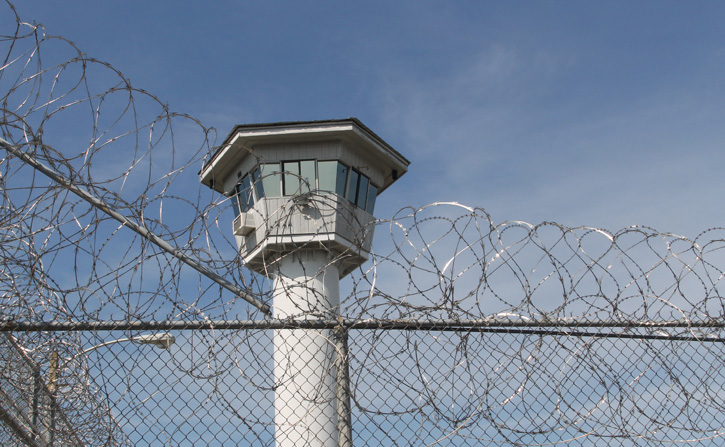
The Florida Department of Corrections has canceled all visitations for this weekend due to Hurricane Irma, including those at Century and Santa Rosa correctional institutions.
All weekend visitations are canceled, according to FDOC, due to travel restrictions and to ensure staff resources can be maximized for hurricane response.
The cancellation includes all major institutions, work camps, community release centers and annex facilities.
Department staff are working around the clock to make necessary precautions for inmates in facilities statewide, according to a press release. Water and food supplies are being brought in and evacuation determinations will be made in the best interest of the inmates and public safety.
In the event of an evacuation, announcements will be made upon completion. Inmate locations will be posted on the website approximately 24-hours after relocation, per the Florida Department of Corrections standard protocol.
NorthEscambia.com file photo, click to enlarge.
Florida Braces For Massive Hurricane Irma
September 6, 2017
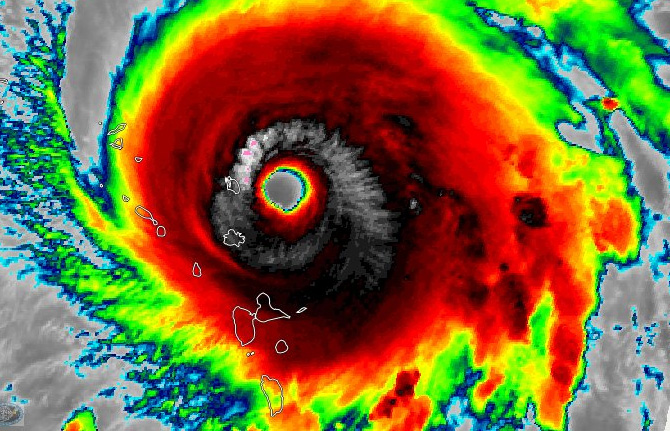
Gov. Rick Scott warned Floridians on Tuesday that powerful Hurricane Irma will start impacting the state by the end of the week — it’s just not clear where.
“I think right now everybody’s got to assume that you’re going to get impacted,” Scott said after receiving a 5 p.m. update at the State Emergency Operations Center in Tallahassee.
“This is a big storm — 185 mph. And if you look at all the projections, it’s not getting smaller, it’s getting bigger,” he added.
While commending officials in South Florida for starting to issue evacuation orders and making additional storm preparations, Scott said people will get more direction as the storm nears about where they should travel after evacuating.
The center of the potentially catastrophic Category 5 storm, with 185 mph maximum sustained winds, was still west of the northern Leeward Islands — about 1,400 miles from Florida — Tuesday afternoon, but on a projected path that would take it just south of the Florida Keys before turning north.
Scott, who had already issued a state of emergency because of the threat of the storm, asked Tuesday for pre-landfall assistance from the federal government, ordered state offices closed on Friday, started to activate members of the Florida National Guard and called for tolls to be lifted statewide to help evacuees.
“They (tolls) will be suspended for the duration of the storm’s impacts to Florida,” Scott said in a prepared statement. “Ensuring the safety of Florida families and visitors is our top priority and suspending tolls statewide will help people quickly evacuate and make it easier for all Floridians to access important hurricane supplies to ensure they are fully prepared.”
Scott’s comments and directives came as Irma grew into the strongest storm ever recorded by the National Hurricane Center in the Atlantic basin outside of the Caribbean Sea and Gulf of Mexico.
The National Hurricane Center said the odds are growing that Irma will directly affect the Florida Keys and portions of the Florida peninsula later in the week and this weekend.
While too soon to estimate the timing and magnitude of the impacts, “Everyone in hurricane-prone areas should ensure that they have their hurricane plan in place,” the center said in Tuesday forecast discussions.
Monroe County has already taken action, mandating tourists leave the Florida Keys on Wednesday. Residents of the Keys must leave on Thursday.
“Now is a good time for tourists and residents to fill their tanks with fuel and complete their evacuation plans,” the county said in a release.
Schools, parks and government offices in Monroe County will also shut down starting Wednesday.
Monroe County’s three hospitals — the Lower Keys Medical Center in Key West, Fishermen’s Hospital in Marathon and Mariners Hospital in Tavernier — began plans to evacuate patients on Tuesday.
School districts in other counties made plans to close later in the week or were reviewing their options. A number of high-school football games were rescheduled from Friday to Thursday. The Florida State League canceled its minor league championship series.
Scott on Tuesday activated 100 members of the Florida National Guard while directing 7,000 more members of the guard to report to duty on Friday. More will be activated over the weekend.
Other preparations Tuesday included:
— The Florida Fish and Wildlife Conservation Commission had search and rescue teams on standby, including members who deployed to Texas for Hurricane Harvey.
— All weight and driver restrictions for highways were lifted to speed water, food, fuel and emergency supplies.
— The American Red Cross established a disaster relief operation in Orlando.
— Scott asked electric utilities to identify staging areas and for updates on all nuclear facilities in the event of a necessary shutdown.
— Agriculture Commissioner Adam Putnam suspended requirements involving the intrastate transportation of animals from areas expected to be impacted by Hurricane Irma. Alabama, Georgia and Mississippi have waived rules related to bringing in Florida pets and livestock.
“By suspending the intrastate movement requirements for the transportation of animals, we can ensure that Floridians and visitors can quickly and safely move their pets and livestock out of harm’s way,” Putnam said in a prepared statement.
Meanwhile, House Speaker Richard Corcoran, R-Land O’ Lakes, and Senate President Joe Negron, R-Stuart, advised lawmakers on Tuesday that they are watching the storm. Lawmakers are scheduled to start holding committee meetings Sept. 12.
“As the path of the storm becomes more clearly defined, we will, in consultation with the Senate, make a final decision regarding the status of House committee and subcommittee meetings scheduled for next week,” Corcoran wrote.
“Hurricane Irma currently poses a serious threat to our state, and I encourage all senators and staff to use the next few days to ensure your home and family are prepared,” Negron said in a memo.
On Monday, Scott placed all of Florida under a state of emergency. The declaration was intended to give local governments in the 67 counties time to prepare, the governor’s office said.
Also Monday, Attorney General Pam Bondi activated the state’s “price gouging hotline.”
“Floridians need to prepare now, and they should not be inhibited by unlawful price increases on supplies necessary to brace for a major hurricane strike,” Bondi said in a release.
People who suspect businesses are taking advantage of residents in need of hurricane supplies — food, water, hotel rooms, ice, gasoline, lumber and equipment — can make reports by calling 1-866-966-7226 (866-9-NO-SCAM).
by The News Service of Florida