

Atmore Man Arrested For Bicyclist Murder, Three Others Busted On Pot Charges
September 16, 2017
Atmore Police have arrested a local man in connection with an August 31 homicide.
 Ladarious Jamaal Crenshaw, 22, was charged for the murder of Shawn Oneil Quarles. He is being held in the Escambia County Detention Center in Brewton.
On August 3, Atmore Police responded to Ann Street after a 911 call stating that a man had been shot. Quarles was found in the street suffering from gunshot wounds. He was transported to Atmore Community Hospital where he died a short time later.
An Atmore Police Department investigation found that Quarles was riding his bicycle to the store to purchase cigarettes.
Atmore Police Department investigators, Escambia County Sheriff’s Office deputies and members of the U.S. Marshall’s Regional Fugitive Task Force, assisted in the capture of Crenshaw at the Patterson Street Apartment in Atmore.
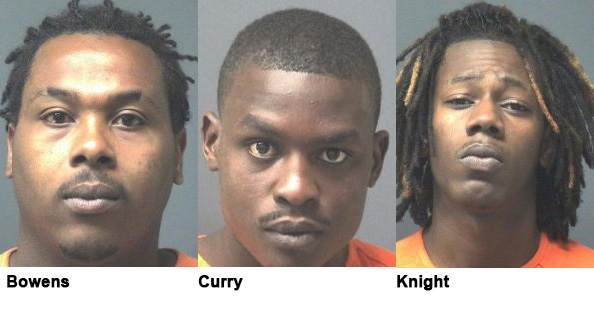
As Crenshaw was apprehended, authorities arrested three other Atmore men on narcotics charges. Deante D. Knight, 19, was charged with possession of marijuana first degree; Kenneth Curry, 21, was charged with with possession of marijuana first degree and resisting arrest; and Demario E. Bowens, 27, was charged with possession of marijuana first degree and giving false information to law enforcement. Bowens was also booked as a fugitive from justice due to an outstanding felony burglary warrant in Florida.
Chiefs Suffer Tough 59-13 ‘Self-Inflicted’ Loss To Blountstown (With Gallery)
September 16, 2017

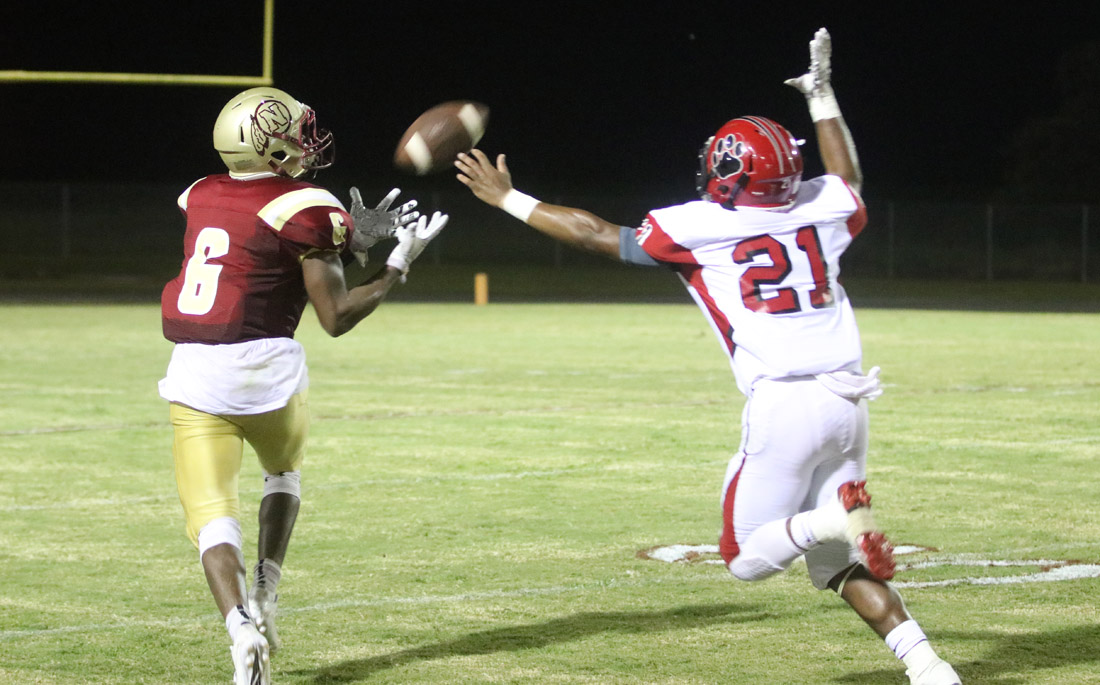
The Blountstown Tigers defeated Northview 59-13 Friday night in Bratt. The Chiefs, 1-3, have now lost three straight games.
For a photo gallery, click here.
 “It was a tough night,” Northview head coach Derek Marshman said. “That was a great football team we played tonight. Make no mistake about it but a lot of our wounds tonight were self-inflicted.”
The Chiefs were first on the board with a touchdown from Ontario Minor with 9:09 on the clock in the first quarter, with Blountstown answering with a touchdown of their own.
“You know I thought we came out on the first drive and did what we thought we could do and marched right down the field and scored. They responded with a touchdown and then we started kind of self-inflicting some things. We had a blocked punt, multiple turnovers, multiple big plays. They had a fake punt for a touchdown,” Marshman said.
The Chiefs’ only other score of the night came at 5:49 on the clock in the second on a pass from Seth Killam to Ray Bush.
Blountstown was on an unstoppable roll scoring 21 in the first quarter and 30 in the second to make it 51-13 at the half. The Chiefs held the Tigers to just eight points in the third before a scoreless fourth quarter.
“We are an improving football team but we are not good enough to hedge the other team out especially a team like Blountstown. A lot of things here were self-inflicted but like I said a lot of credit goes to them too,” the coach said.
Next week, Northview hits the road to Blountstown to take on the Blue Devils of Holmes County (2-1).
“We will get back to the drawing board next week. We’re not going to quit. We are going to keep fighting. I know this coaching staff is going to fight for these guys day and night. We will be back up here this weekend getting ready. Holmes County is a really good football team as well. We are going to keep fighting. There’s no quitting this program. There’s no quitting this team. There’s no quitting this coaching staff so we are going to keep fighting,” Marshman said.
For a photo gallery, click here.
NorthEscambia.com photos, click to enlarge.


Fall Gardening Tips
September 16, 2017

As fall approaches, now is the time to start preparing your landscape for the upcoming cooler weather, according to the UF/IFAS extension service.
Flowers
- Cut back, and remove old flower stalks from flowering annuals and re-fertilize in order to obtain one more color before cool weather.
- Prepare beds for the planting of cool season annuals next month. Some plants to establish for fall, winter and early spring include: pansy, petunia, snapdragon, larkspur, stocks, statice, bachelor button, calendula, cleome, alyssum, marigolds, verbena, dianthus and candytuft.
- Divide perennials such as Shasta daisy, canna, amaryllis, daylily, coneflower, violets, and ornamental grasses like mondo grass and liriope.
- Cut strong stems of roses to encourage new growth for final flush of the year.
- Find a local source, or order wildflower seeds for fall planting. Be certain to choose a mixture that is specifically for the south. Prepare the area, but wait until November to seed them.
Trees and Shrubs
- Last month to fertilize woody ornamental shrubs in the landscape.
- No pruning unless it’s absolutely necessary. This is probably the worst time of year to do major pruning of shrubs. Late summer/fall pruning can stimulate tender growth that might be damaged by low winter temperatures.
- Plant woody ornamentals, including trees, shrubs, vines and ground covers during the fall and early winter. They respond well to planting late in the year because our relatively mild winters allow for root growth. Fall planted shrubs, for example, are well on their way toward having their roots established before hot weather arrives next spring.
- Select crape myrtles while in bloom.
- Examine the small twigs on the outer canopy of hardwood trees for black twig borer damage. Remove and destroy infested twigs.
- Pine needles fall during September and October. Rake and use them in the vegetable and flower garden as well as in shrub beds. Pine needles make excellent mulch. Apply generously to obtain a depth of 2 to 3 inches on the soil surface after they have settled.
- Mature palms should receive an application of granular fertilizer. Use a special palm fertilizer that has an 8-2-12 +4Mg (magnesium) with micronutrients formulation. Apply one pound of fertilizer per 100 sqft of canopy area or landscape area.
Vegetable Garden
- Prepare the soil now, allowing about 3 weeks between the incorporation of amendments and planting. In September sow seeds of beets, broccoli, brussels sprouts, cabbage, carrots, cauliflower, collards, endive, escarole, kale, kohlrabi, leek, lettuce, mustard, onions, parsley, radishes and turnips.
- Last planting of beans (bush, lima and pole), cucumbers and summer squash
- Clean out the spring/summer vegetable garden once plants have stopped producing. Remove any that are known to have been diseased or heavily insect infested during the previous season.
Lawns
- Check the lawn weekly and watch for lawn pests. Check for chinch bugs and sod webworms in St. Augustine, spittlebugs and sod webworms in centipedegrass and mole cricket damage in all grasses
- Last month to fertilize bahiagrass, bermudagrass, St. Augustinegrass and Zoysiagrass using a complete fertilizer applied at 1.0 lb nitrogen per 1000 square feet containing 50% soluble and 50% slow-release nitrogen.
Florida Tab For Irma Already Mounting
September 16, 2017
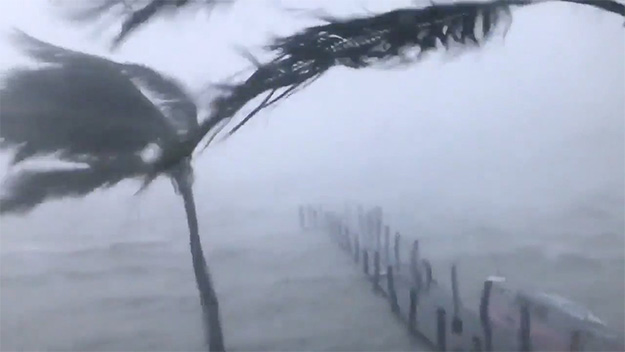
Florida has preliminarily outlined more than $273 million in Hurricane Irma costs for federal reimbursement, with the money primarily used for storm preparation and debris removal.
The projection is from 25 state agencies for impacts from the storm that made landfall Sunday in the Florida Keys and Southwest Florida and then traveled up the state. The storm, which continued to leave nearly 1.9 million homes and businesses without power Friday morning, also caused still-unknown billions of dollars in damages — from property destruction to economic impacts — across the state.
The initial state projection, including $157.8 million for pre-storm protective measures and $90.8 million for debris removal, had not been completed by some agencies, including the Department of Citrus and the Department of Education.
But by comparison, the final tally for Hurricane Matthew, which affected the state without making landfall last October, was about $268.5 million.
Some agencies are listing modest impacts from Irma. The Department of Revenue put its costs at $954 for protective measures, and the Florida Lottery, which suspended games Sunday and Monday, reported $1,322 in impacts, of which $1,000 was for utilities.
The state Division of Emergency Management started to compile the numbers after President Donald Trump on Wednesday approved Gov. Rick Scott’s request for an emergency declaration.
The declaration authorized the U.S. Department of Homeland Security and the Federal Emergency Management Agency to coordinate disaster relief efforts, including equipment and resources.
The order also provides 75 percent federal funding for debris removal and emergency-protective measures.
More than 40 percent of the state’s initial projected costs, $112.77 million, were tied to storm preparation by the Division of Emergency Management.
The Department of Transportation, as part of its $108.5 million in storm costs, estimated debris removal will come to $86.8 million.
The Department of Corrections, which evacuated more than 12,000 inmates and on Thursday said some inmates will remain at alternative locations until road conditions improve and facilities can undergo necessary repairs, put its costs at $21.55 million.
With every member of the Florida National Guard activated, the Department of Military Affairs put its initial costs at $7.8 million.
Meanwhile, with the roughly 1,700 members of the Florida Highway Patrol working 12-hour shifts, the Department of Highway Safety and Motor Vehicles has placed its expenses at $4 million.
The Fish and Wildlife Conservation Commission, with more than 200 officers providing evacuation support and post-storm search and rescue missions, was up to $2.3 million.
The Department of Financial Services projected a $1.58 million impact, while the Department of Health was at $4.7 million.
The South Florida Water Management District has a preliminary $4.8 million tab, of which $3.3 million is projected for debris removal and $836,312 is for protective measures.
The Southwest Florida Water Management District, meanwhile, put costs at $1.58 million for protective measures.
Disney Pours More Money Into Anti-Gambling Initiative
September 16, 2017
Disney Worldwide Services plowed another $600,000 in August into a ballot initiative that could make it harder to expand gambling in Florida, according to a newly filed campaign-finance report.
As of Aug. 31, Disney had contributed $1.75 million of the $1.98 million raised by a political committee known as Voters In Charge, which is leading efforts to get the initiative on the November 2018 ballot. The initiative would change the state Constitution and give voters the “exclusive right to decide whether to authorize casino gambling” in the state.
It would require voter approval of casino-style games in the future.
The political committee needs to submit a total of 766,200 petition signatures to get on the ballot. As of Monday morning, it had submitted 216,469 signatures, according to the state Division of Elections website. The committee had spent $1.47 million as of Aug. 31, with most of the money going to petition gathering and verification.
by The News Service of Florida
Portion Of Muscogee Road To Close, 120 Day Detour Planned
September 15, 2017
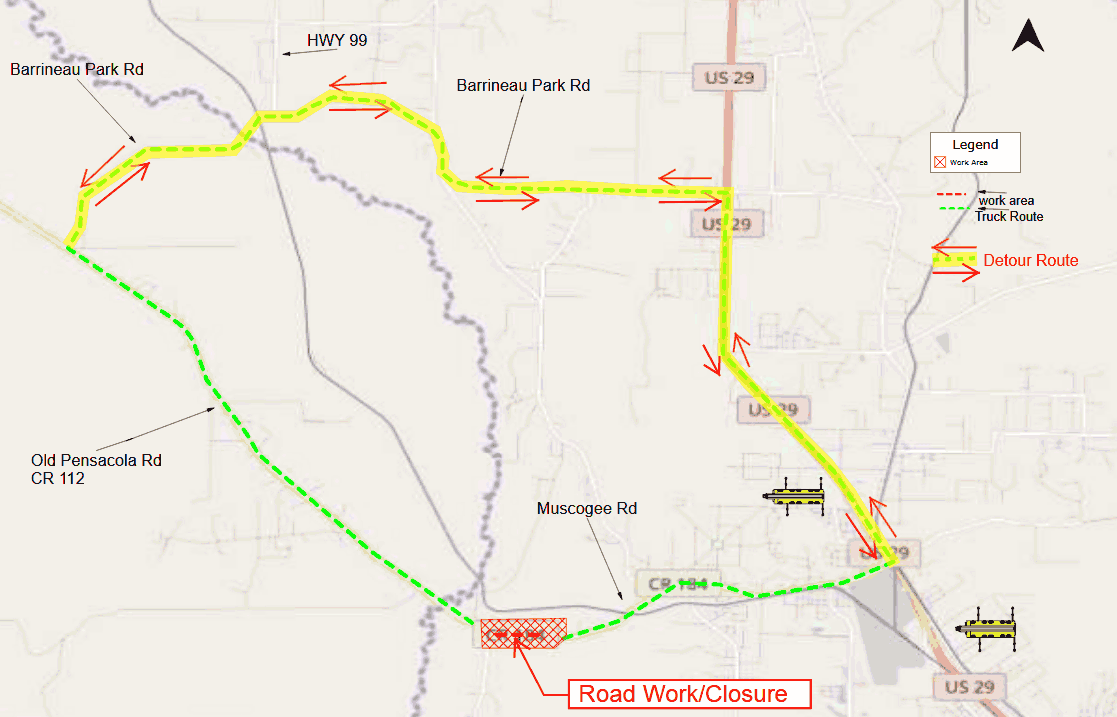
A portion of Muscogee Road in Cantonment from Beulah Road to Carlisle Road will be closed starting Thursday, September 28 for reconstruction of the road.
Construction will consist of the installation of a water main, drainage, reconstruction of the one mile stretch of Muscogee Road and construction of 5-foot shoulders.
Traffic will be detoured via Highway 29 and Barrineau Park Road to Highway 112 in Alabama. The roadway closure is expected to remain in effect for approximately 120 days. Every effort will be made to expedite construction efforts to reopen the road as soon as possible. Every effort will be made to expedite construction efforts to reopen the road as soon as possible..
Additionally, prior to the September 28 roadway closure, road crews will be working within the north right of way of Muscogee Road, between Carlisle and Beulah roads, installing a new 10-inch water main associated with the project. Drivers are asked to use caution within the work zone delineated by barrels and signage.
Pictured: A map, provided by Escambia County, showing the detour route for an upcoming Muscogee Road closure, click to enlarge.
Molino Man Reported Missing, Endangered 12 Years After Disappearance
September 15, 2017
The Escambia County Sheriff’s Office is searching for a missing, endangered man reported missing over a decade after he was last seen.
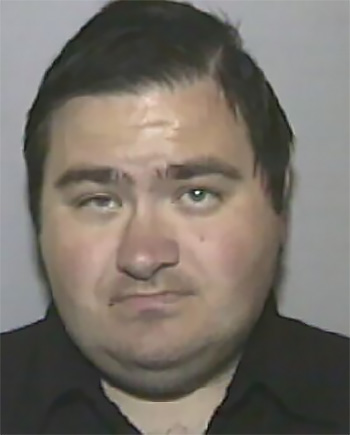 Timothy Allen Lamb, 46, is developmentally disabled, legally blind and suffers from a heart condition, according to Investigator Michelle Wert. He lived with his mother until 2003 and then lived with different friends in the Molino area. He did not work and did not drive.
“Taking care of him was like having a third child,” Wert said. “There is no way the he could be out there living on his own.”
Relatives last communicated with Lamb in 2004 due to “very strained family relationships,” she said. In 2016, a relative tried to contact Lamb, but discovered that he was no where to be found and he had not been seen by friends in years. He was last known to be living with a friend off Highway 97 in Molino in 2005.
Wert said it was the first time she has investigated a person reported missing so long after they were last seen, and that’s made the investigation difficult.
“It’s a real mystery where he could be,” she said.
Wert is asking anyone that knows anything about Lamb — whether recently or from years ago, the names of his friends or any other information contact the Escambia County Sheriff’s Office at (850) 436-9620 or Crime Stoppers at (850) 433-STOP.
Ernest Ward Middle Eagles Defeat W.S. Neal Eagles
September 15, 2017
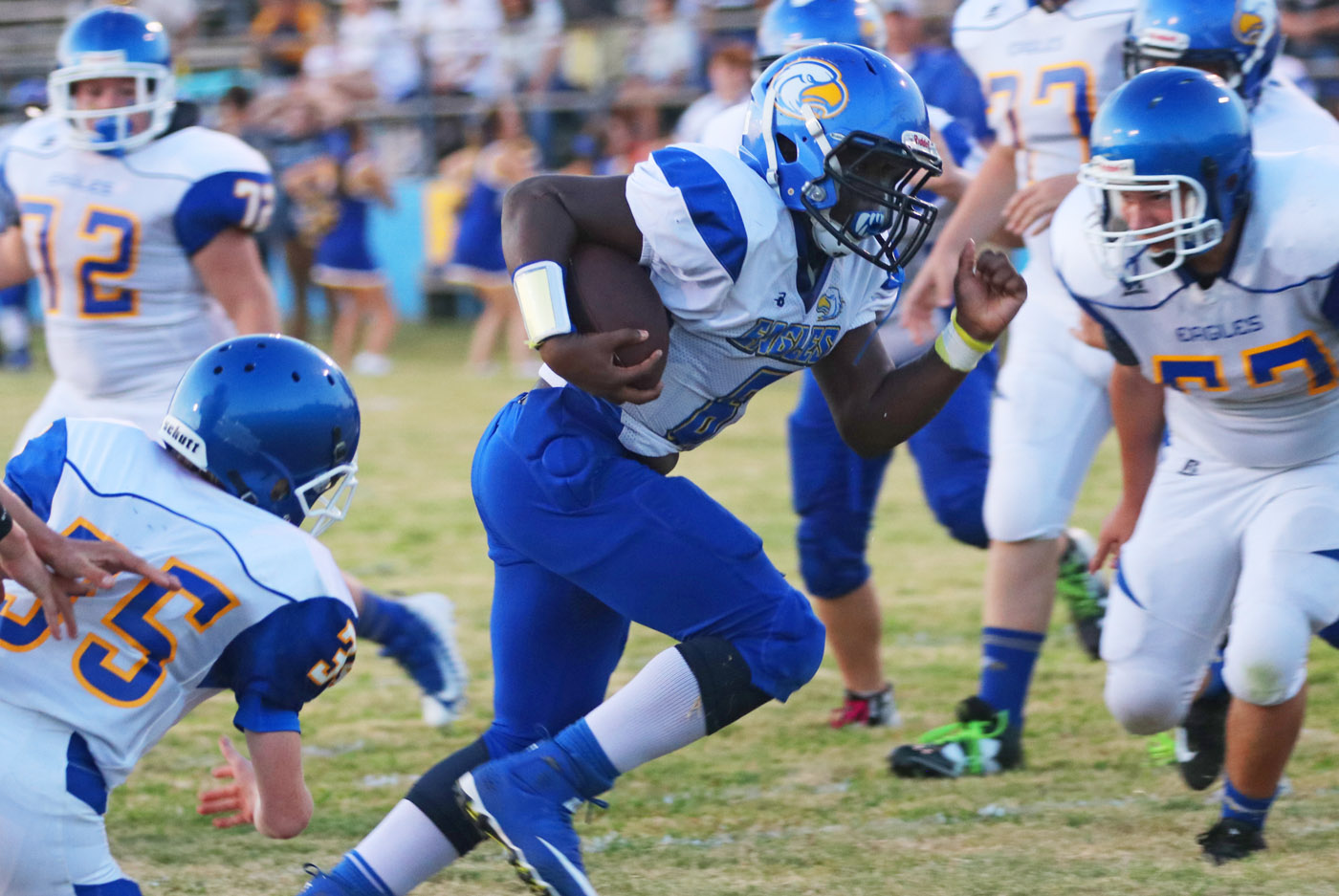
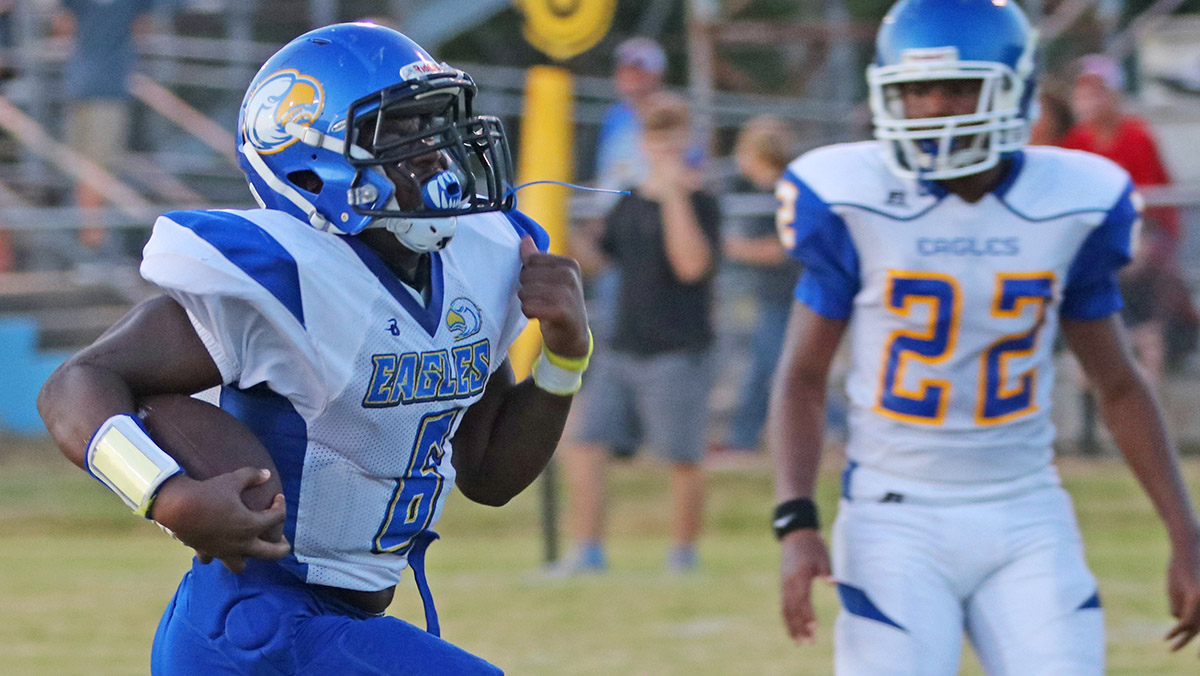
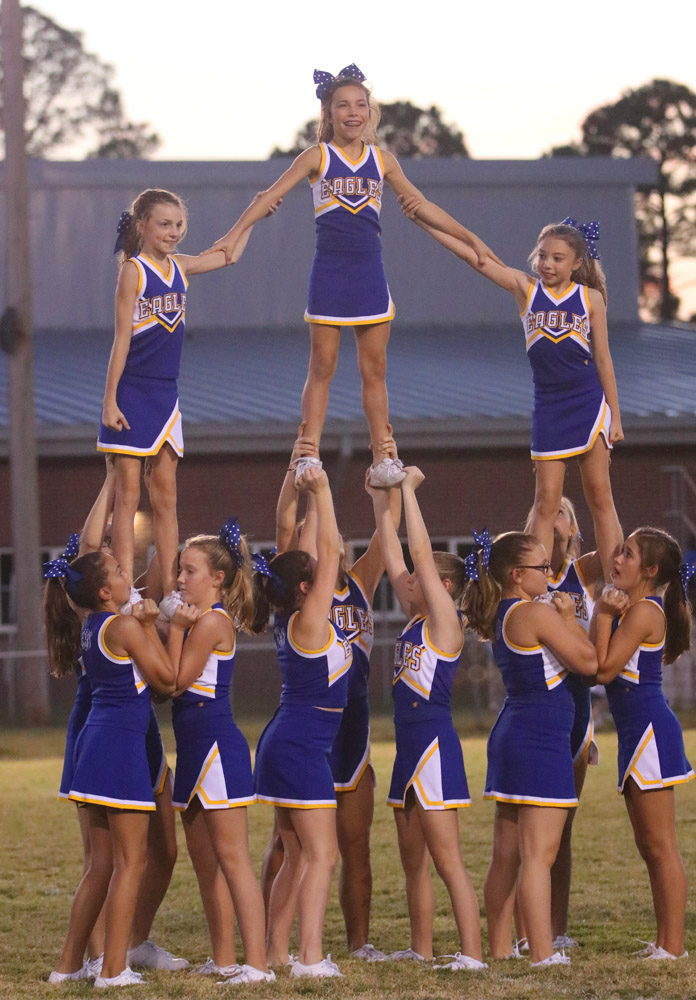
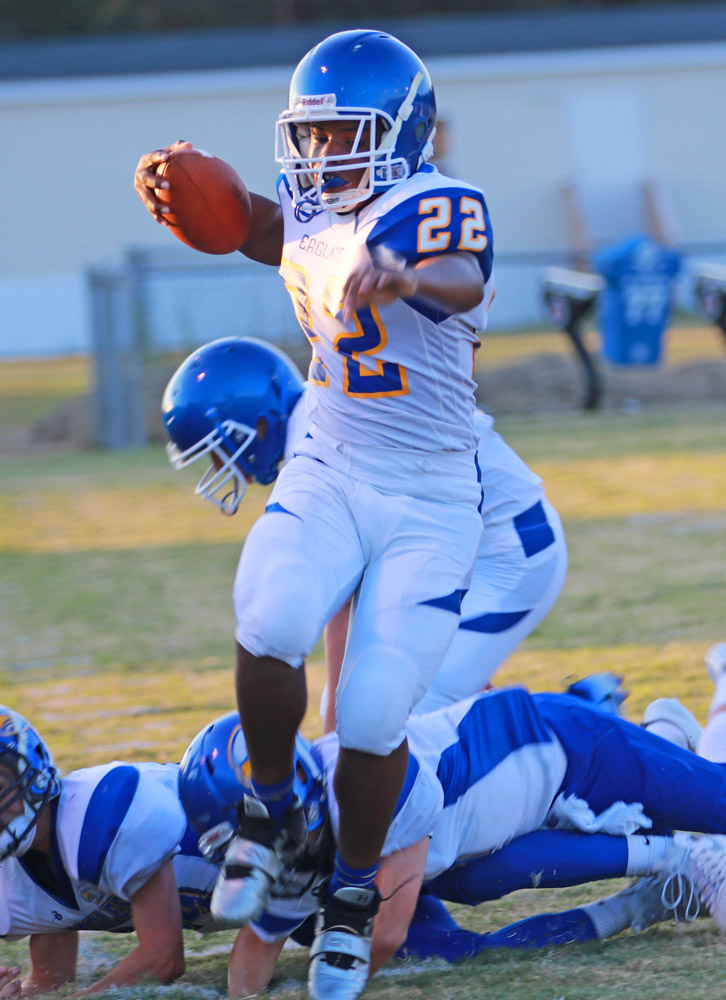 In their home opener in Walnut Hill, the Ernest Ward Middle School Eagles defeated the W.S. Neal Eagles Thursday night, 16-14. Next week, the Ernest Ward Eagles will host Perdido (AL) Middle School at 7 p.m. Ernest Ward’s Eagles are the only middle school football team in Escambia County, FL.
NorthEscambia.com photos, click to enlarge.
Two Rescued From Escambia River
September 15, 2017
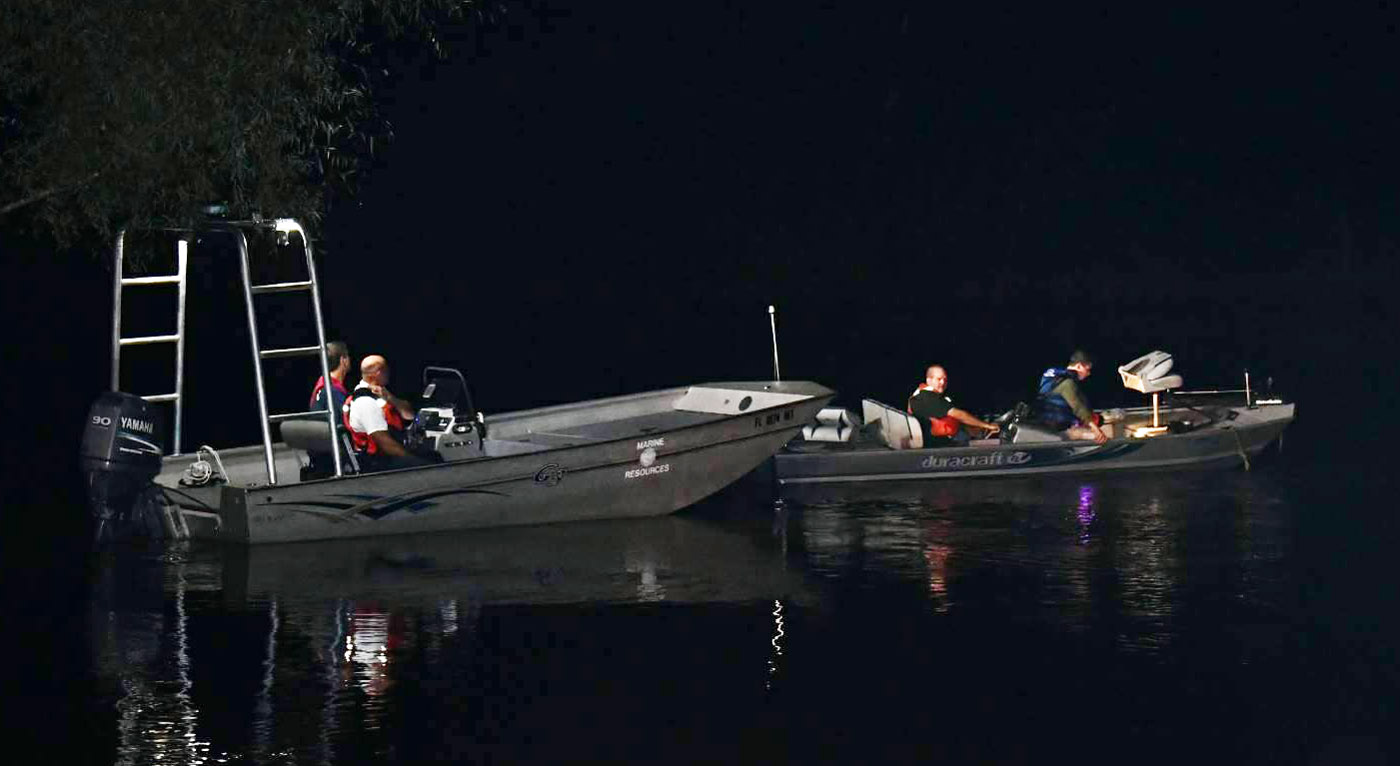
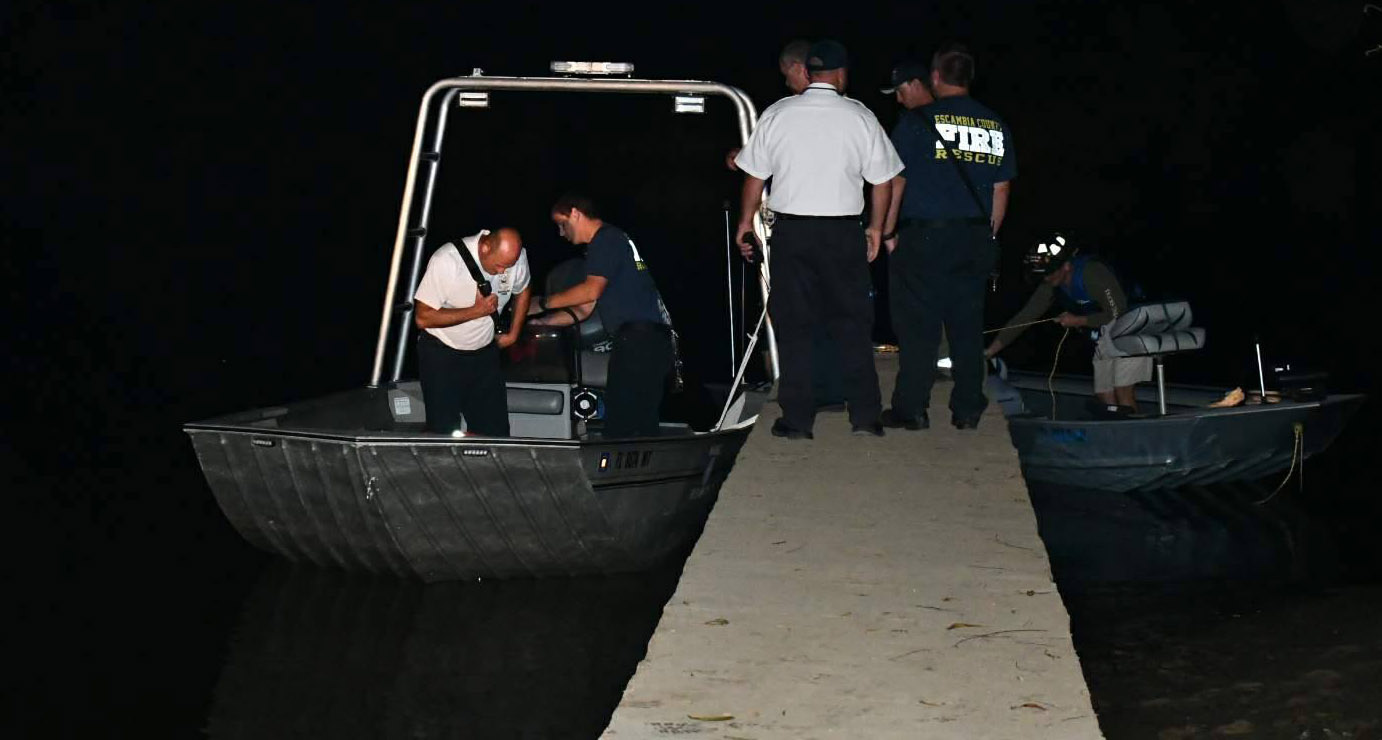
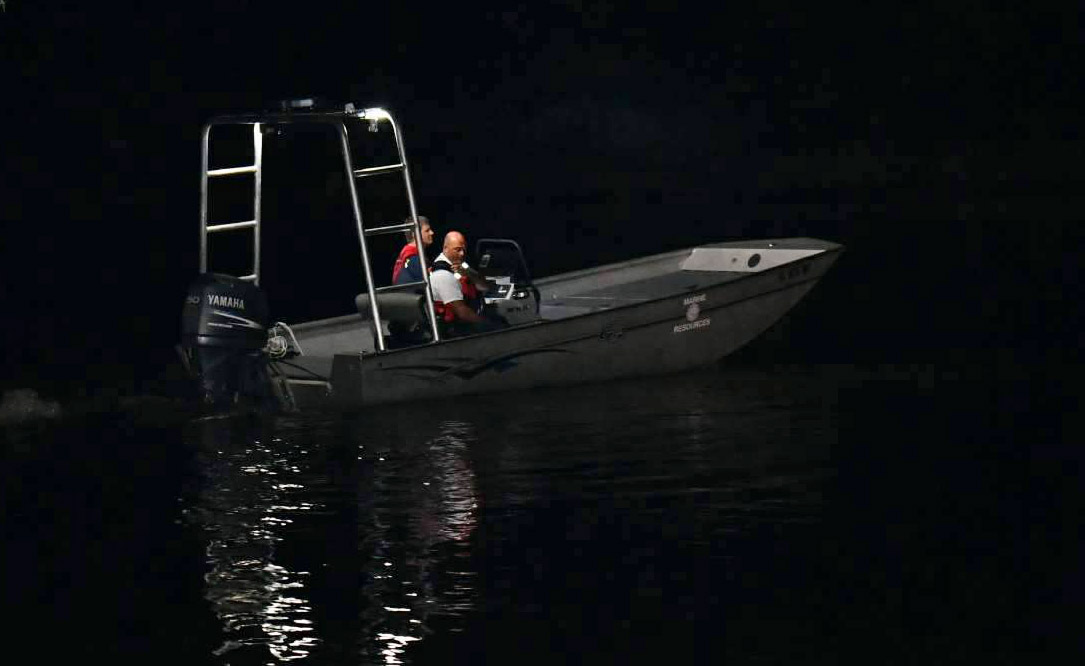
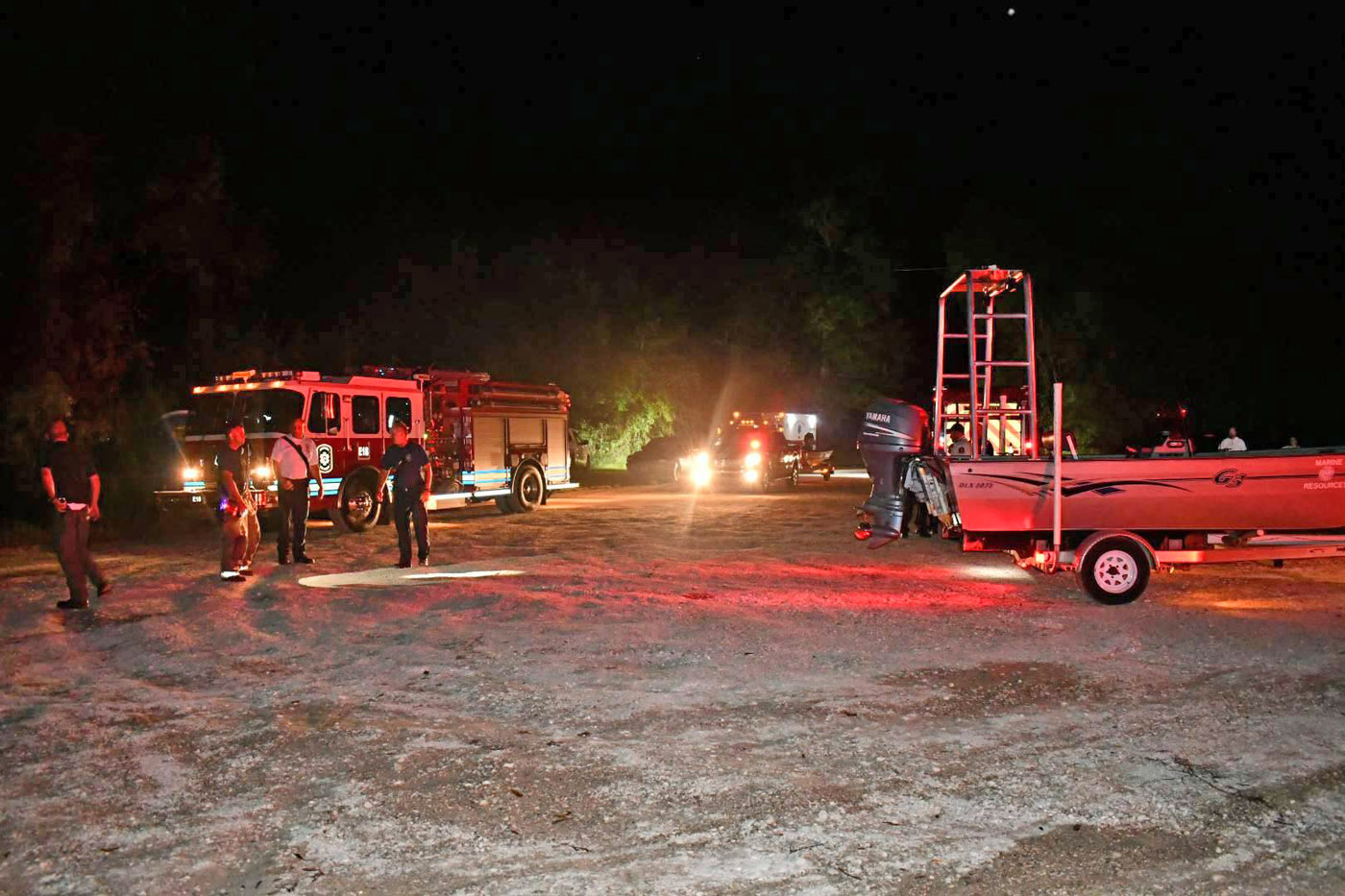
Two people were rescued from the Escambia River Thursday night after their boat reportedly capsized.
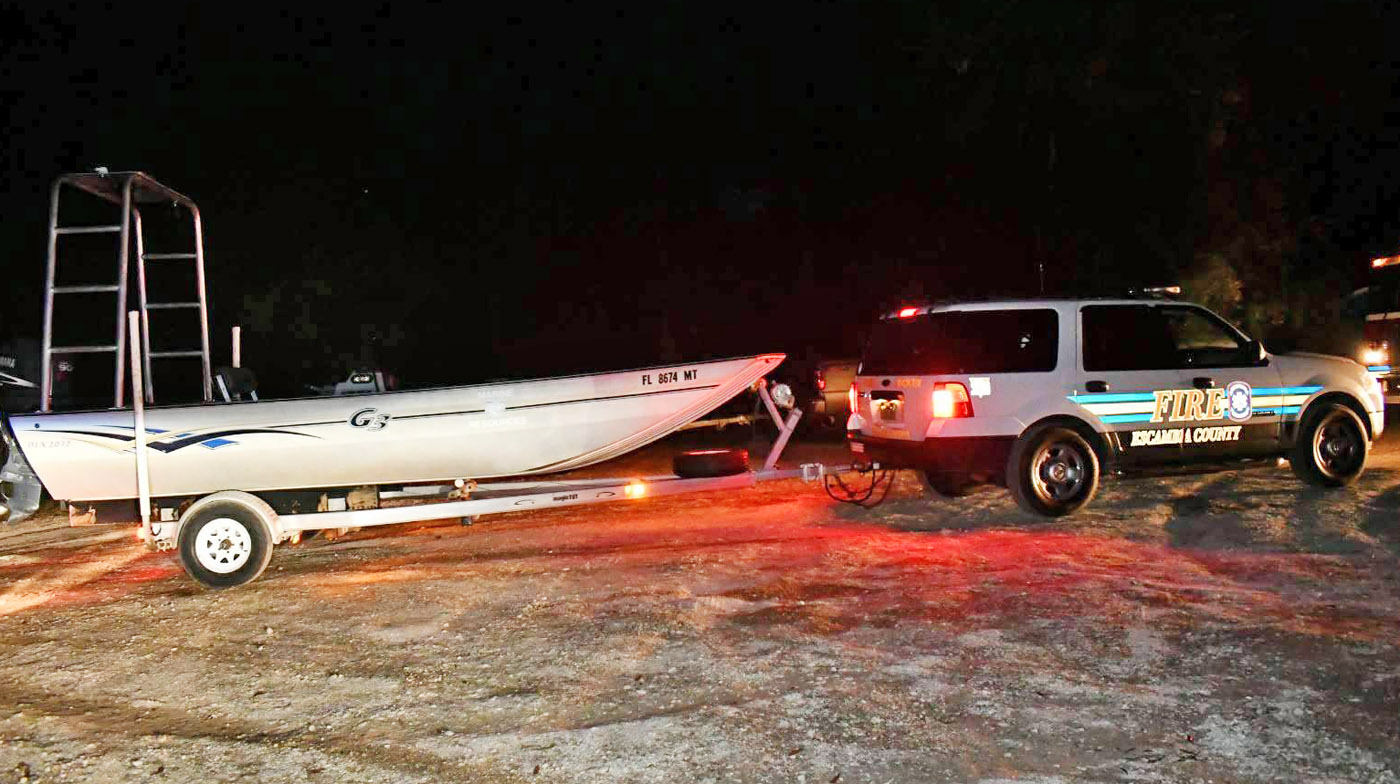
The pair became stranded about a half mile from the Quinette Road bridge. They were transported back to a nearby boat launch with boats from Escambia Fire Rescue’s Cantonment and Molino stations.
There were no injuries report.
NorthEscambia.com photos by Kristi Barbour, click to enlarge.

Visitations Canceled This Weekend At All Florida Prisons
September 15, 2017
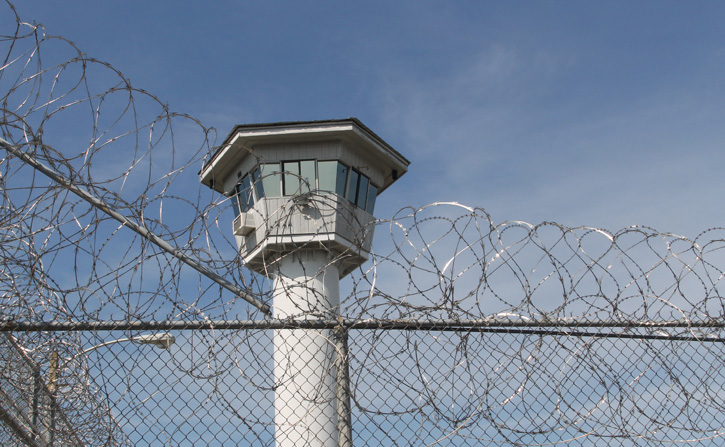
Inmate visitations are canceled again this weekend as the Florida Department of Corrections continues recovery efforts from Hurricane Irma.
Weekend visitation for all institutions for Saturday, September 16, and Sunday, September 17 has been canceled. This cancellation includes all major institutions, annex facilities, work camps and work release centers. The cancellation includes the Century Correctionsl and Santa Rosa Correctional institutions.
The department cancelled visitation statewide in an abundance of caution and in the best interest of staff, inmates and public safety, according to the DOC. This decision was made in response to Hurricane Irma’s impact on Florida’s transportation infrastructure as well as the storm’s effect on operations at institutional facilities across the state.
Phone access is open at all facilities for officers and inmates. However, due to storm conditions, communications at many facilities continues to be impacted.
The FDC is working to bring all facilities back to normal operation as wardens work to assess and repair effected institutions.
Last week FDC, in collaboration with our private partners, successfully evacuated more than 12,000 inmates. Evacuations occurred without incident and there were no storm related injuries or incidents to inmates. Institutions are working to return inmates to their original facilities as quickly and safely as possible. However, some inmates will remain at alternative locations until road conditions improve and facilities can undergo necessary repairs. Inmate locations continue to be posted on the website approximately 24-hours after relocation, per standard protocol.
NorthEscambia.com photo, click to enlarge.