

Veterans Honored, Embassy Flag From Baghdad, Iraq Dedicated
November 11, 2014
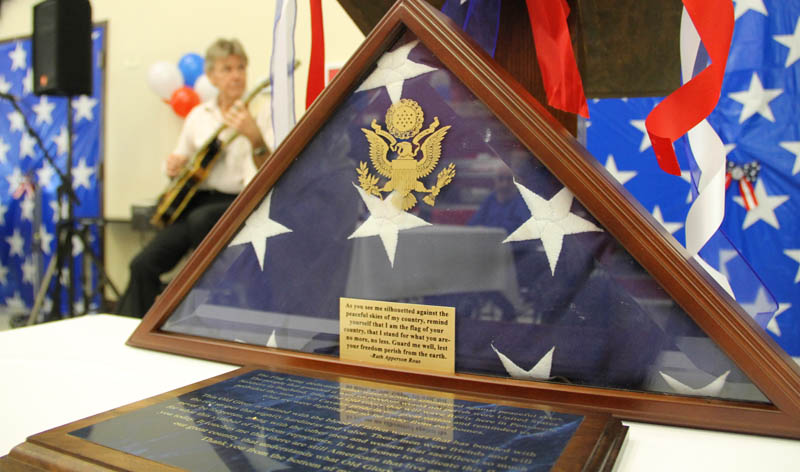
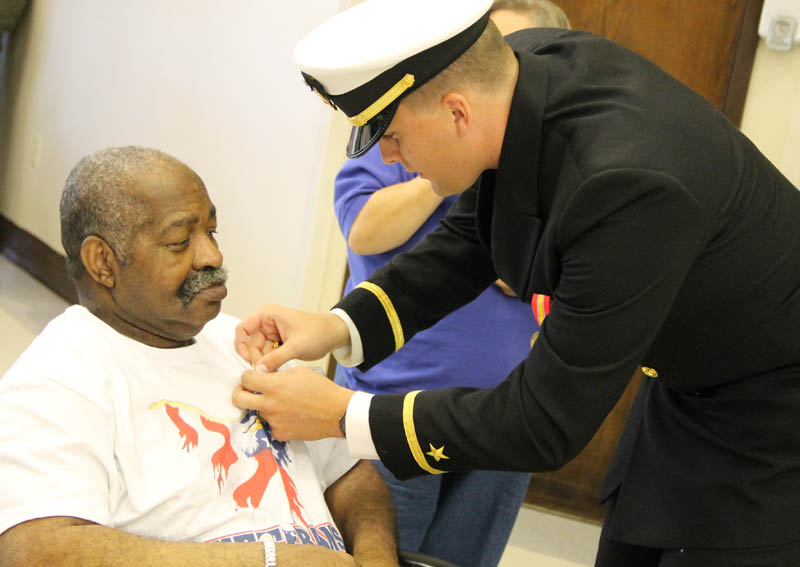
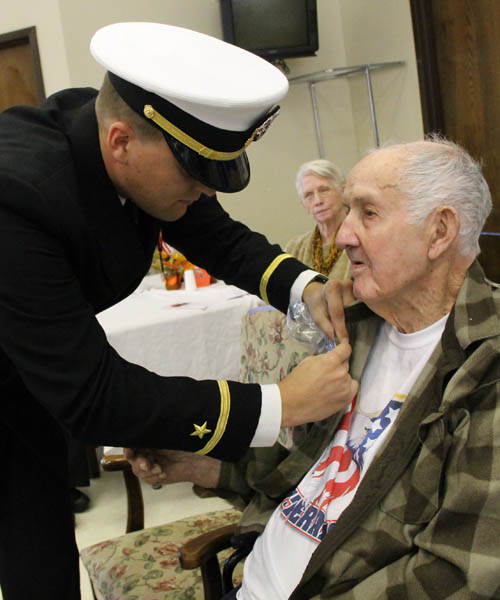 Century Health and Rehabilitation Center held a special ceremony recently to honor those that have served and to dedicate a flag that once flew over Baghdad, Iraq.
The flag once flew over a Baghdad compound that served as a temporary embassy. Before leaving, the men took the flag with them. Major Scott Sewell, who served under the flag, gifted it to his father, Major John Sewell U.S. Army, retired. The flag was presented to Century Health and Rehabilitation Center by “Johnny” Sewell, the center’s former social services director.
The center also recognized each veteran resident, staff member and volunteer with a special pin and certificate during their patriotic program.
NorthEscambia.com photos, click to enlarge.
American Diabetes Month: Floridians Impacted In Large Numbers
November 11, 2014

November is American Diabetes Month. As the prevalence of the disease continues to rise across the state and nation, the number of Floridians with diabetes is expected to increase.
David Becker, a spokesman for the American Diabetes Association, says the latest numbers show 29 million Americans with diabetes, and the toll on health can be great, including kidney failure, blindness, amputations and more.
“There are a lot of co-morbid diseases as far as diabetes and cancer and heart disease,” he points out. “It all kind of is interrelating.”
Becker says about 95 percent of those people who have diabetes have Type 2, which healthier lifestyle choices with nutrition and physical activity can help prevent.
In Florida a little more than 1.7 million have diabetes, but that is expected to increase to nearly three million by 2030, according to the Robert Wood Johnson Foundation.
Becker notes that even some simple, small changes with healthy eating and regular exercise can yield big results. “If you lose just 7 percent of your body weight, you can decrease your chances of getting diabetes by 58 percent,” he stresses.
If the current trends don’t change, it’s estimated that by 2050, 30 percent of all Americans will have diabetes.
by The Florida News Connection
Photos: Blue Angels Come Home
November 10, 2014
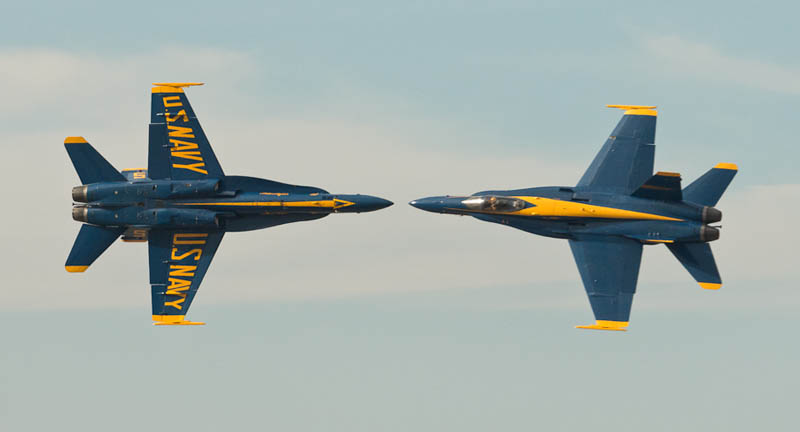
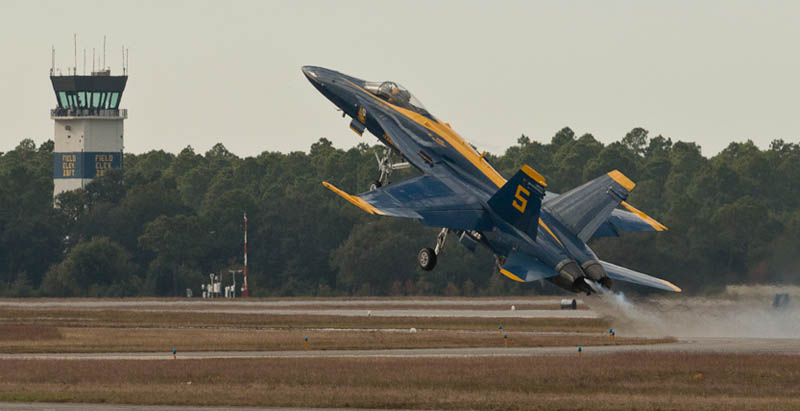
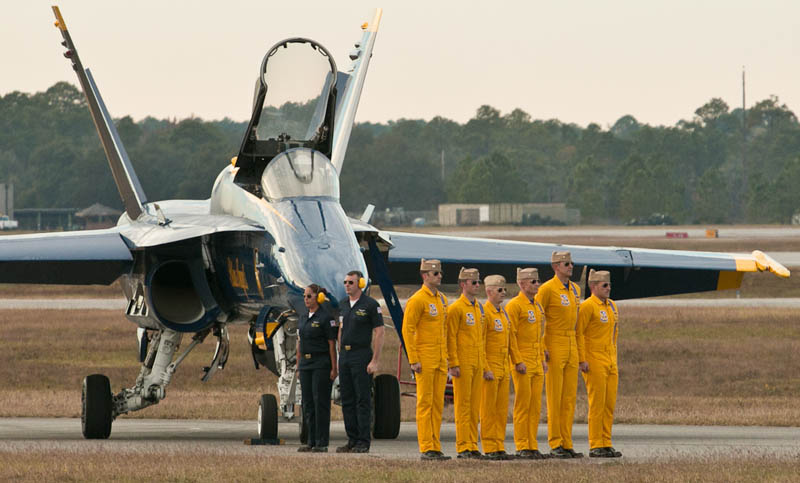
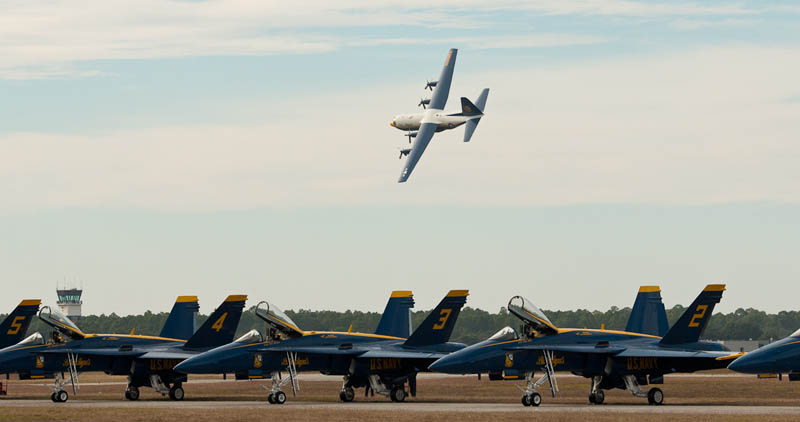
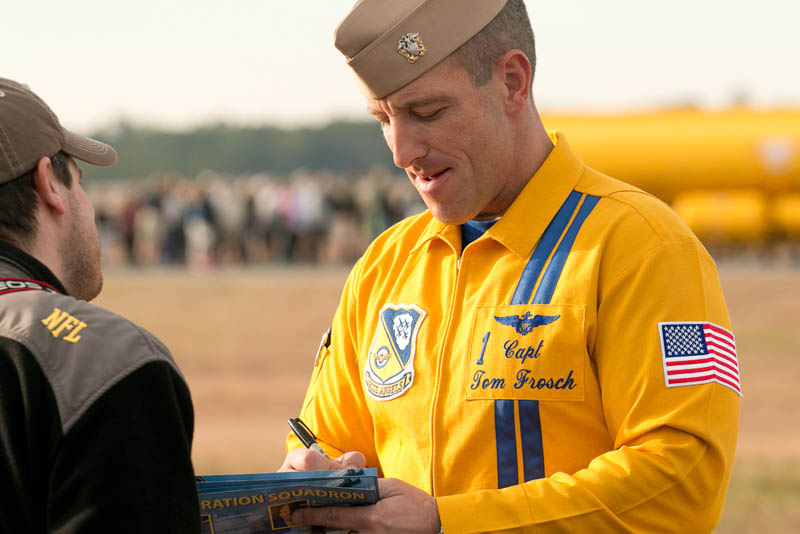 Over 150,000 people attend the 2014 Blue Angels Homecoming Show aboard NAS Pensacola this weekend.
For a photo gallery, click here.
Pictured top: The Blue Angels Homecoming Show. Pictured inset: The No. 1 pilot, Capt. Tom Frosch, signs autographs. Pictured below (top to bottom): screaming for the skies, lining up, Fat Albert and plane versus jet truck. Photos by Ditto Gorme for NorthEscambia.com, click to enlarge.

Bratt Elementary Releases Second First Weeks Honor Roll
November 10, 2014
The following students were named to the first nine weeks honor roll at Bratt Elementary School:
All A’s
- Rabekah Abbot
- Lauren Abbott
- Raegan Abbott
- Anna Adams
- Claire Amerson
- Erich Amerson
- Luke Amerson
- Desiray Bagwell
- Haydn Baker
- John Bashore
- Bailey Blackwell
- Karissa Boatwright
- Jackson Bridges
- Daylan Brown
- Christian Burt
- Nevaeh Bush
- Kadence Calvert
- Luke Chavers
- Camden Clarke
- Addison Classen
- Abigail Coker
- Shelby Cotita
- Colton Criswell
- Callie Davis
- Casandra Davis
- Payton Daw
- Carsyn Dortch
- JaCee Dortch
- Ryan Dove
- Mayson Edwards
- Scotty Elliott
- Noah Faulkner
- Zykuria Fountain
- Zane Garganus
- Caitlyn Gibson
- David Gilley
- Jamison Gilman
- Emma Gilmore
- Talise Gregson
- Ava Gurganus
- Kailey Hawkins
- Leah Hetrick
- Sarah Hetrick
- Mary Catherine Hughes
- Emily Jarvis
- Tristan Johnson
- Allyson Jones
- Trent Knighten
- Laura Laborde
- Kennedy Long
- Megan McGhee
- Adannaya Mondaca
- Jaquez Moorer
- Alyssa Moya
- Travis Nelson
- Colby Pugh
- Ally Richardson
- Maggie Scott
- Jackson Simmons
- McKenna Simmons
- Zakyla Smith
- Jacob Spence
- Mia Starns
- Kole Stewart
- Maggie Stewart
- Emily Stilwell
- Aubrey Stuckey
- Bentley Van Pelt
- Clay Wilson
All A’s and B’s
- Sara Amerson
- Bristen Bethea
- Ethan Bingham
- Isaiah Boatwright
- Olivia Boatwright
- Lakyn Bodiford
- Demorris Bowens
- Luke Bridges
- Ora Bryan
- Abbie Buford
- Jaquorious Burt
- Tereasia Burt
- Jakyra Carter
- Zakhel Clemmons
- Ashton Cloud
- Noah Condrey
- Chloe Criswell
- Talaysha Curry
- Kylie Davis
- Samuel Dettling
- Tyteanna Dubose
- Addison Eicher
- Gage Eicher
- Lexi Evans
- Allison Flowers
- Aliyah Fountain
- J.P. Gilman
- Shelby Greenwell
- Berklee Hall
- Kohle Harigel
- Logan Hasting
- Kara Hawkins
- William Heard
- Ji’Keir Hudson
- Jakayla Jackson
- Gracie James
- Crista Kinley
- Keeli Knighten
- Gage Lambert
- Anna Lee
- Kaitlin Lloyd
- James Loftis
- Emily Long
- Sarah Long
- Max Mason
- Reid McCall
- Keira McDuffie
- Braeden McGhee
- Anija McNeir
- Landon Mooney
- Carley Moore
- Elianna Morales
- Kai Morton
- Alexis Moya
- Blaize Parrish
- Dennis Pittman
- Dallon Rackard
- Bryan Romeros
- Paige Ross
- Angel Schoonover
- Adrianne Shanks
- Carter Sigafoose
- Brayden Smith
- Malia Smith
- Vivyan Smith
- Reece Starns
- Jonathan Stilwell
- Akeem Stokes
- David Stokes
- Jeremy Thomas
- Madison Thomas
- John Michael Ward
- Shelby Ward
- Raycer Watson
- Alexis White
- Mekhi White
- Jordan Wilson
- Jasmine Zisa
Bonus Photos: Northview Senior Night; Band and Cheerleaders
November 10, 2014
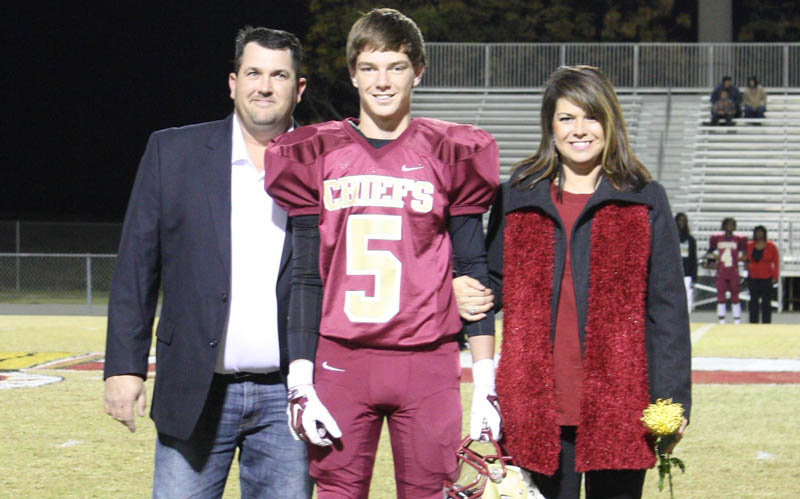
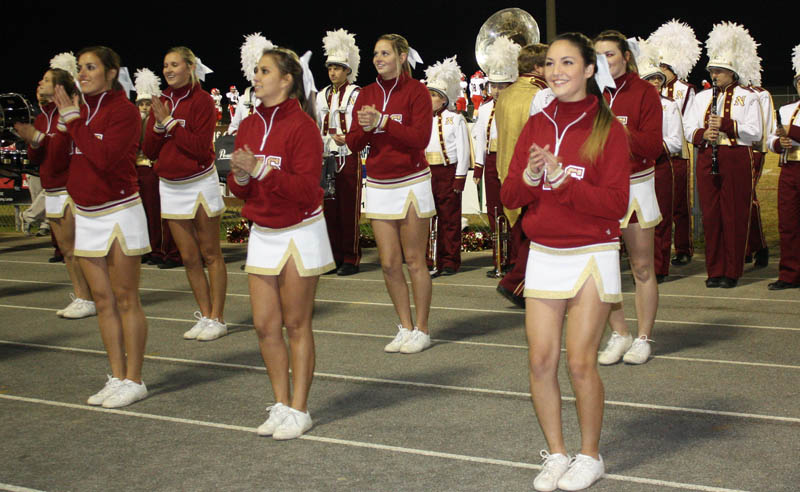
Friday night was Senior Night for the Northview Chiefs.
For a Senior Night, band and cheerleader photo gallery, click here.
NorthEscambia.com photos, click to enlarge.
Walnut Hill Fire Department Holds Record Setting 45th Annual Fish Fry
November 9, 2014
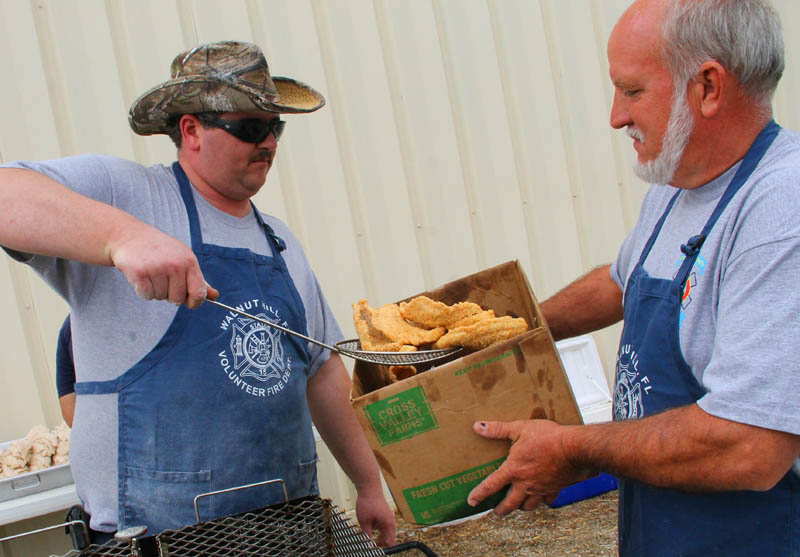
The Walnut Hill Volunteer Fire Department honored members of the community and the department during a record-setting 45th annual fish fry Saturday.
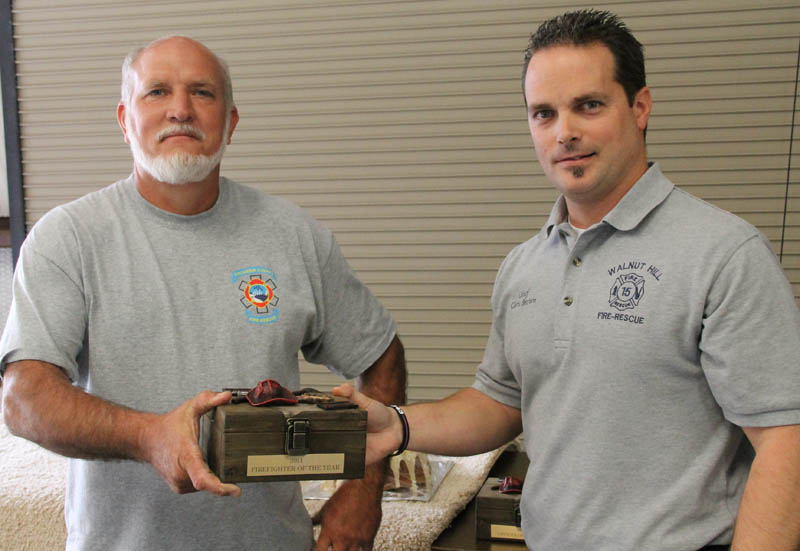
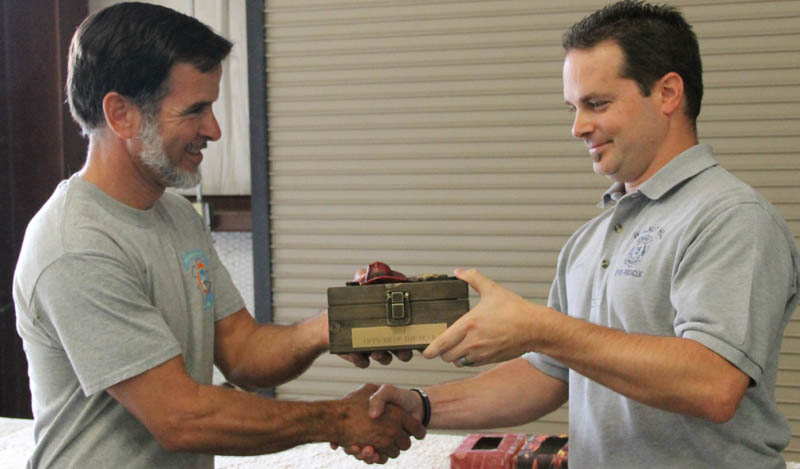 Brian Rolin was named Officer of the Year, an award chosen by his fellow firefighters, while Andrew Peters was named Firefighter of the Year and recognized for his years of service to the department.
David’s Paint and Body of Atmore received the Walnut Hill Volunteer Fire Department’s Community Service Award for outstanding and dedicated service to the community. The company provides the department with scrap vehicles that are used for extrication and other training.
Volunteers served 676 catfish or grilled chicken plates were sold during the event, which was a record for an ordinary fish fry held by the department. Proceeds are used during the year to provide assistance to displaced fire victims in the area.
Pictured top: Walnut Hill VFD firefighters Chad Rigby (left) and Andrew Peters fry catfish Saturday for the department’s 45th annual fish fry. Pictured inset: Department Chief Chris Brown presents the Officer of the Year Award to Brian Rolin (left). Pictured below: Brown presents the Firefighter of the Year Award to Andrew Peters. NorthEscambia.com photos, click to enlarge.
Northview, Byrneville Dance Groups Perform At Arts Festival
November 9, 2014
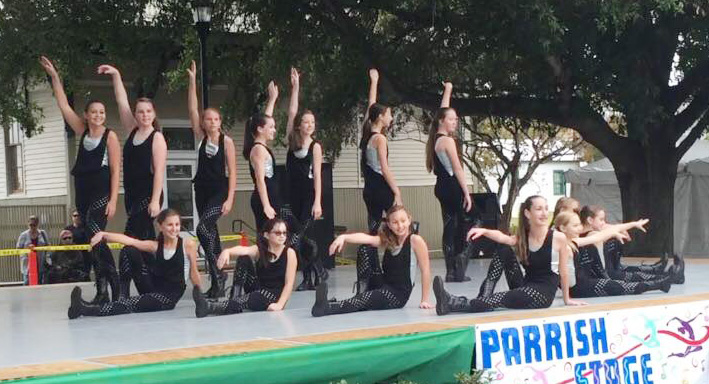
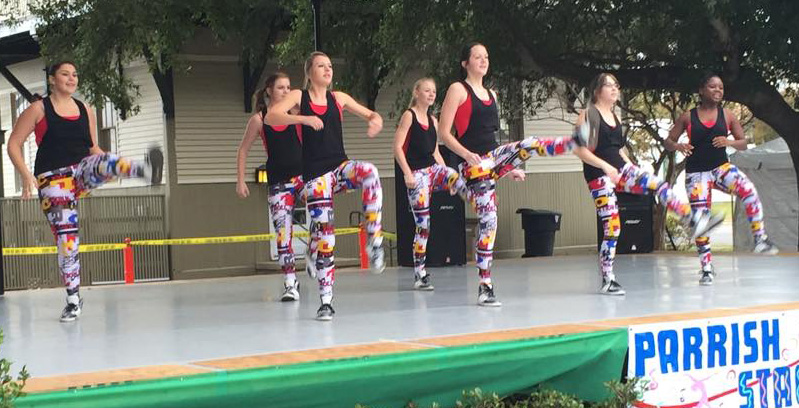
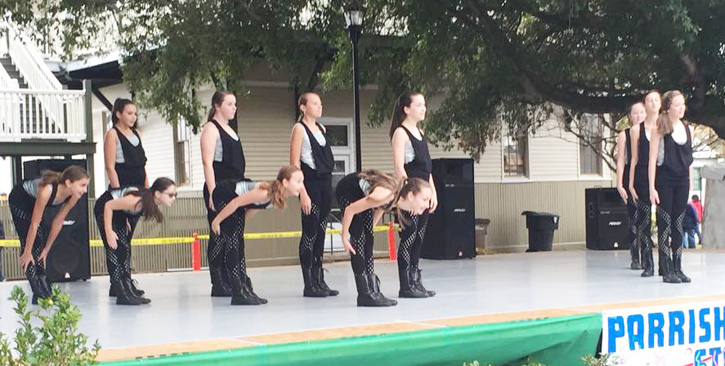
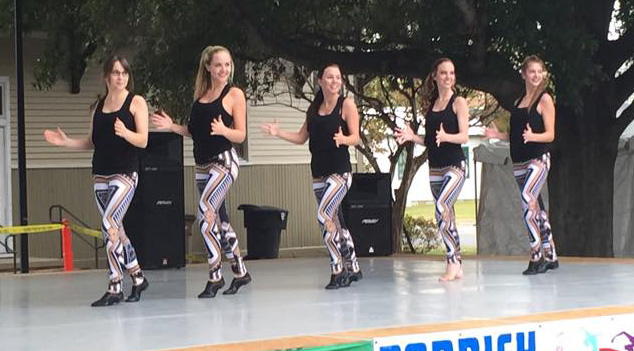
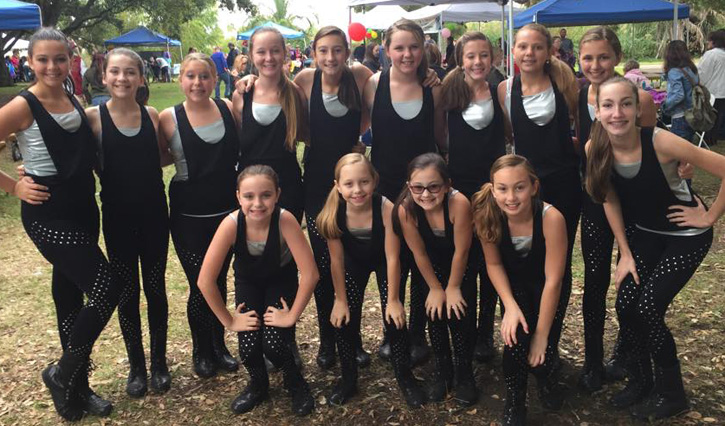
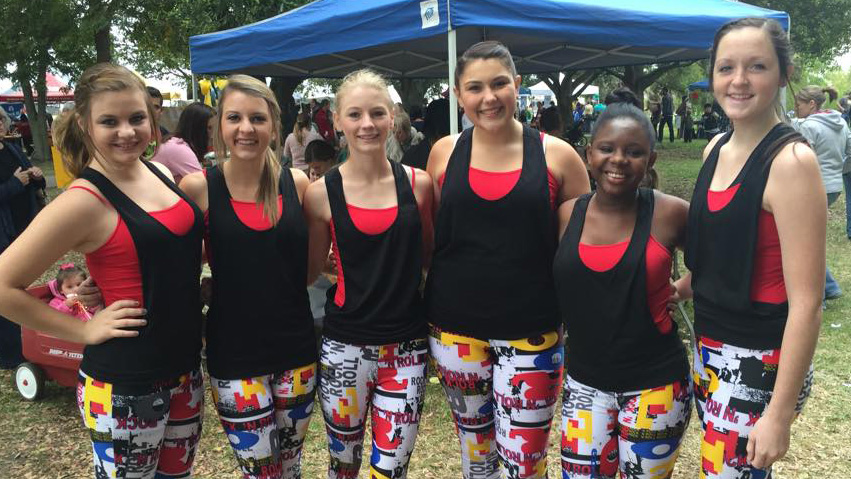
Members of the Northview High School Dance Team and groups from Heather Leonard’s Danceworks based in Byrneville performed Saturday afternoon at the Great Gulf Coast Arts Festival in Pensacola. Photos by April Maholovich for NorthEscambia.com, click to enlarge.
Century Honors Veterans
November 8, 2014
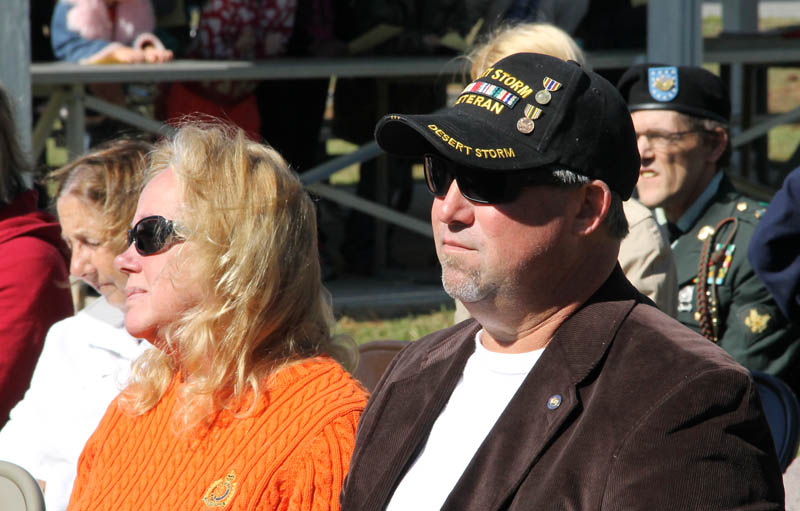
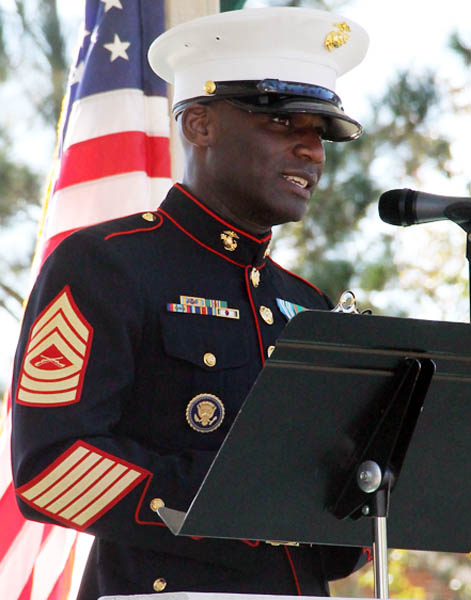
The Town of Century held a special Veterans Day observance Friday to honor their local veterans.
“Hero — we throw that term around a lot, but they really are the superheroes of this world that keep us safe and allow us to enjoy the freedoms that God intended us to have,” guest speaker Rep. Clay Ingram told the small crowd at Century’s Nadine McCaw Park.
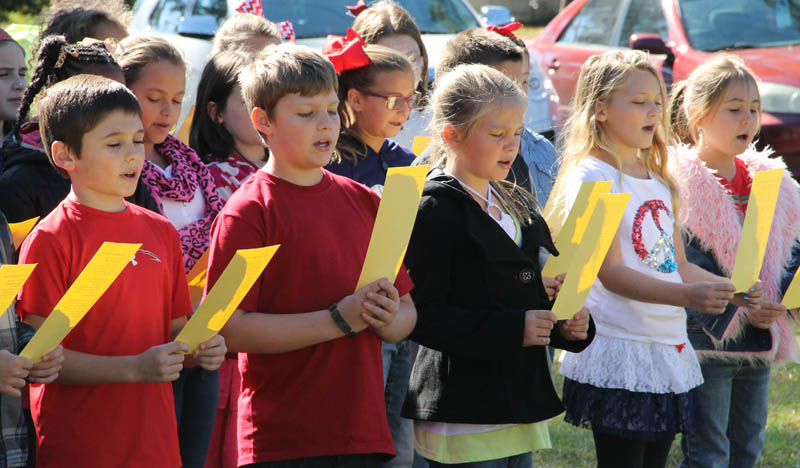
The event included other speakers and patriotic music from Byrneville Elementary School fourth and fifth grade students.
NorthEscambia.com photos, click to enlarge.
Ernest Ward Middle Honors Veterans (With Photo Gallery)
November 7, 2014
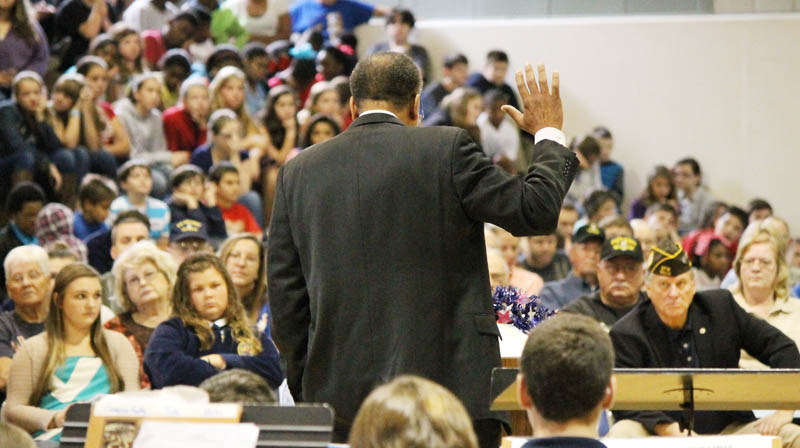
Ernest Ward Middle School paused to honor veterans from the across the area Thursday afternoon.
 “It’s a great day to be here, in the United States of America,” guest speaker retired Navy Capt. Frank Smith told the student body and their veteran guests. “Because we truly do live in the land of the free.”
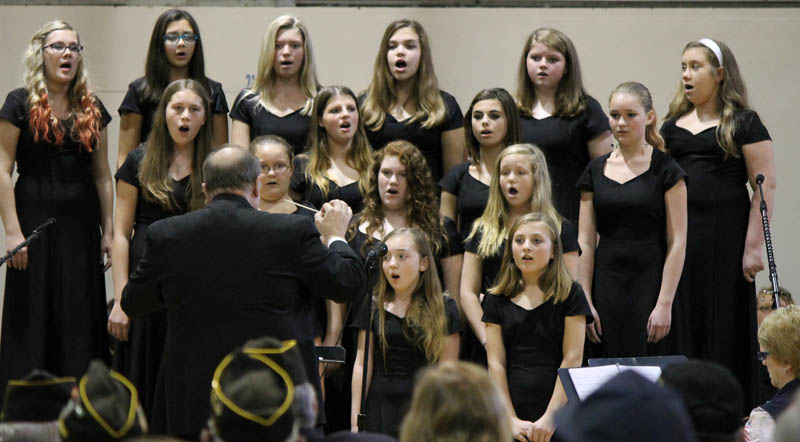
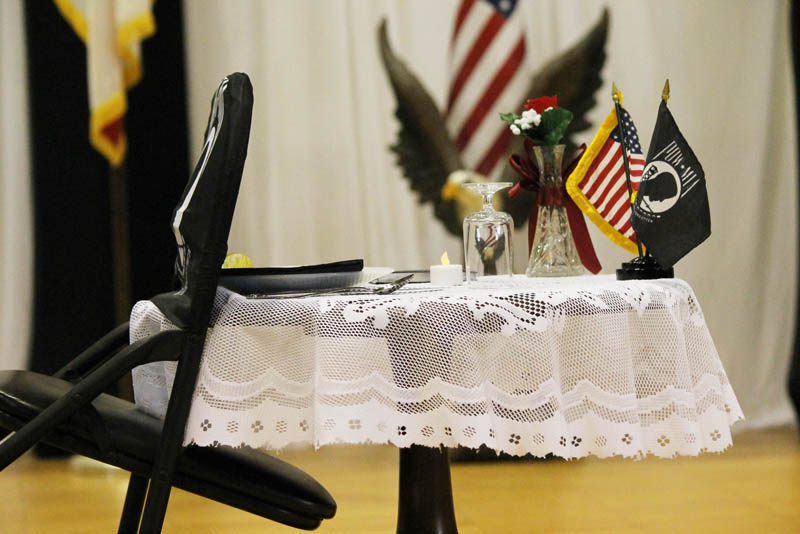
During an emotional display. the students prepared a small, white table with a place setting for one in front of an empty black chair. The ceremony represented the never-ending hope for the return of MIA soldiers. The program also included patriotic music, an armed forces salute and the presentation of colors from the Northview High School NJROTC.
The annual Veterans Day program at Ernest Ward is a longstanding community tradition, held annually for over 20 years.
Pictured top: Retired Navy Capt. Frank Smith recalls taking his Oath of Enlistment into the U.S. Navy. Pictured inset: The Ernest Ward Middle School Advanced Chorus performs. Pictured below: The “MIA Table”. NorthEscambia.com photos, click to enlarge.
Byrneville Elementary Releases First Nine Weeks Honor Roll
November 7, 2014
The following students were named to the first nine weeks honor roll at Byrneville Elementary School:
Mrs. Barberree’s Kindergarten:
All Satisfactory
Nathan Carter
Autumn Coleman
Clay Everly
Gabrielle Hawsey
Akeylah Jefferson
Caleb Levins
D’Angelo Phifer
Jase Portwood
Hunter Powell
Will Sloan
Isaiah Therrell
Zachary Weaver
Cannon Whorff
Allison Yoder
Mrs. Coleman’s Kindergarten
All Satisfactory
Keiyon Brown
Kayden Harwell
Wesley Lambeth
Aleah Therrell
Ms. Rice’s Kindergarten
(All satisfactory)
Brayden King
Layla Jordan
Mrs. Dawson’s First Grade
All A’s
London Brooks
Luke Godwin
Jaycee Harvell
All A’s and B’s
Logan Jordan
Evelyn Smith
Chassity Taylor
Christian Velazquez
Ms. Thornton’s First Grade
All A’s
Wade Bailey
Elizabeth Coleman
Mary-Clayton Dawson
Savannah Hudson
Katherine Johnson
Ryder Lee
Makenzie Levins
Andrew Plant
Bree Roberson
Charlee Weaver
All A’s and B’s
Emily Carter
Easten Odom
Brynlie Shaw
Mrs. Linton’s Second Grade
All A’s
Kelan Jurey
Riley Long
Evin Matlock
Mia Turner-White
All A’s and B’s
Ayden Atallah
Gavin Beasley
Layla Brown
Jaci Jackson
Mrs. Weaver’s Second Grade
All A’s
Madeleine Atallah
Maddie Mae Driskell
Zachary Herndon
Mia Kornegay
Madison Levins
Addisen Miller
Jayden White
Brian Yoder
All A’s and B’s
Logan Bevins
Luke Diamond
Kerissa Dortch
Braden Glick
Rhett Madden
Blake Shaw
Mrs. Dunsford’s Third Grade
All A’s
Sarah Bailey
Riley Dawson
Madalyn Grimes
Kaylee Hamilton
Meredith Johnston
Tyler Riggs
All A’s and B’s
Alexa Castro
Kaylie Glick
Takayla Lewis
Tyson McBride
Aydan Smith
Leif Waters
Mrs. Gilmore and Mrs. Marshman’s Fourth Grade
All A’s
Drake Allen Driskell
Bradley Hamilton
Emily Levins
Kaden Odom
Jolee Sloan
Blake Yoder
All A’s and B’s
Leah Anderson
Hunter Barnes
Aloysia Dortch
Briana Dunsford
Kayla Johnson
Emily Lambeth
Abby Weber
Tiana White
Mrs. Johnston’s Fifth Grade:
All A’s
Hunter Borelli
Kaitlin Gafford
Jace Gifford
Shelby Rice
Harley Walker
All A’s and B’s
Cody Adams
Tanner Boone
Dusty Carnley
Taylor Levins
Torka Mills
Ahmad Warmack-Elliott
Anthoni Weaver