

Tate, Ransom Band Students Perform With The Dallas Brass
December 4, 2012
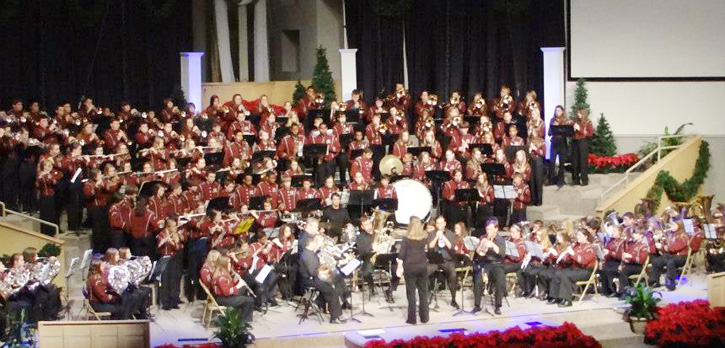
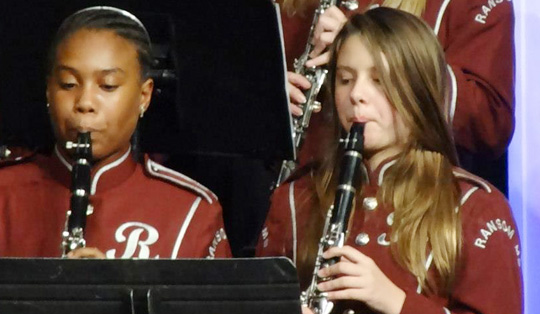
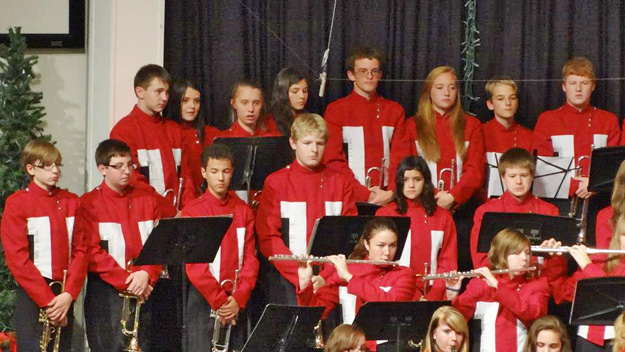
The internationally acclaimed Dallas Brass performed Monday night at Hillcrest Baptist Church with band students from Tate High and Ransom Middle schools. The American Musical Journey concert included music from the time of George Washington to the present day.
The Dallas Brass has become one of America’s foremost musical ensembles. The ensemble has appeared with several major symphony orchestras nationwide, including performances at Carnegie Hall and the John F. Kennedy Center in Washington. They have played for presidents and their music has been used numerous times on national television.
Pictured: The Tate High and Ransom Middle School bands performed with the Dallas Brass Monday night at Hillcrest Baptist Church in Pensacola. Submitted photos for NorthEscambia.com, click to enlarge.
Photos: Behind The Chiefs
December 3, 2012
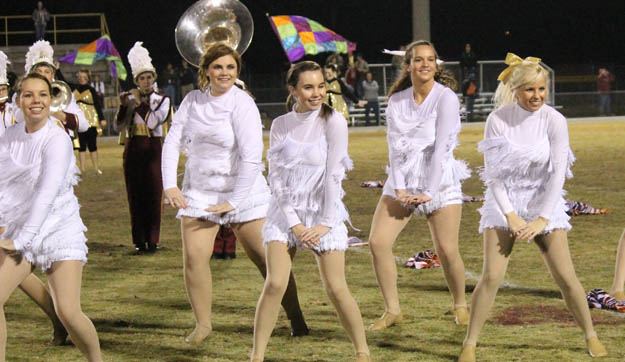
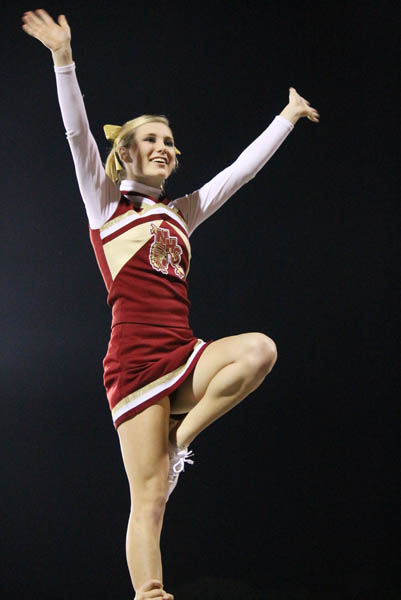
When the Northview High School Chiefs made school history with a Class 1A state semifinal win Friday night, the crowds, band, dance teams and cheerleaders were there showing their support.
Click here for a NorthEscambia.com photo gallery.
For a game recap and action photo gallery, click here.
NorthEscambia.com photos, click to enlarge.
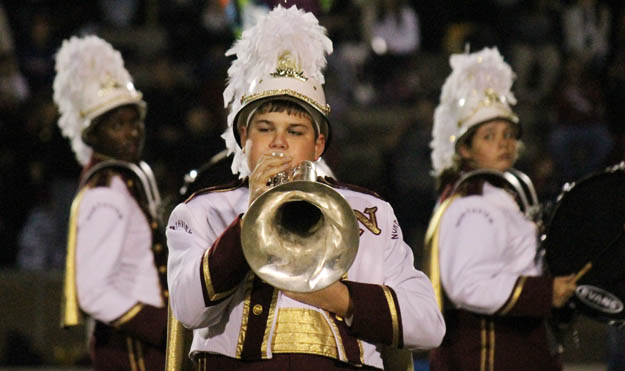
Photo Gallery: Hundreds Attend Flomaton Christmas Parade
December 2, 2012
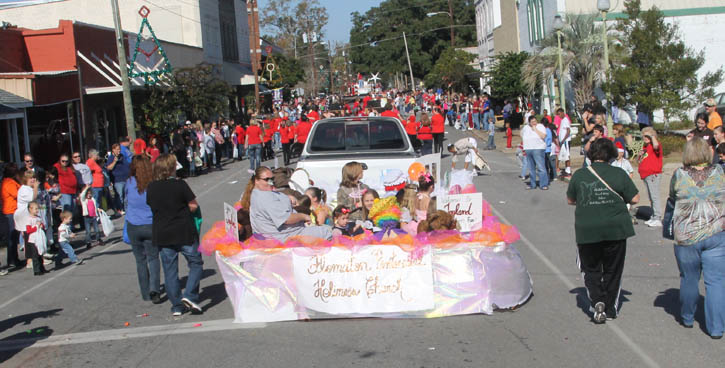
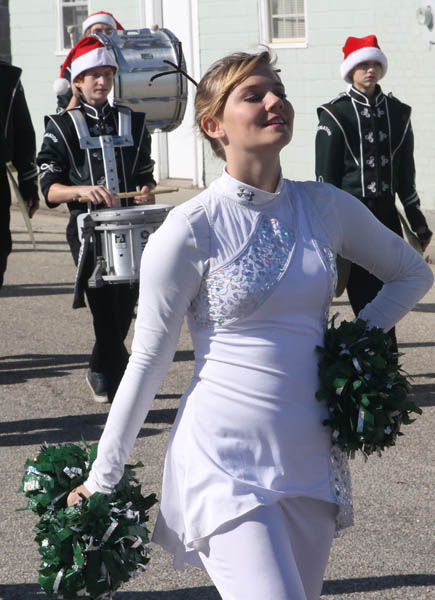
Hundreds of people from Flomaton, Century and surrounding areas attended the annual Flomaton Christmas Parade Saturday morning.
For a NorthEscambia.com photo gallery, click here.
NorthEscambia.com photos, click to enlarge
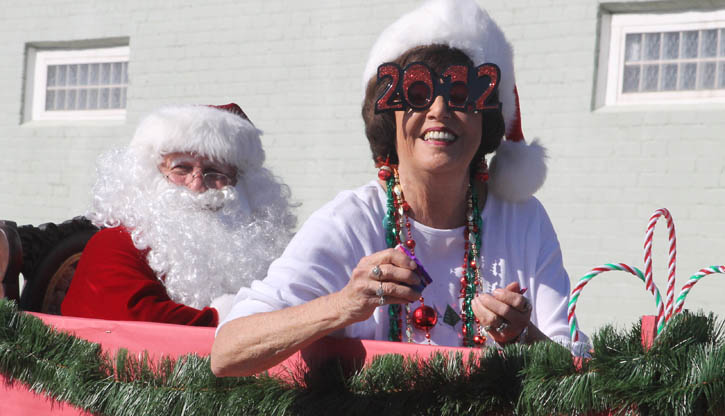
Photos: NHS Band Brings Cheer To Mall
December 2, 2012
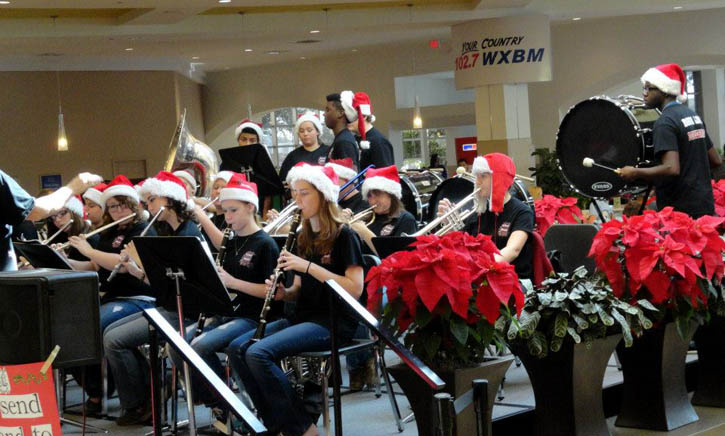

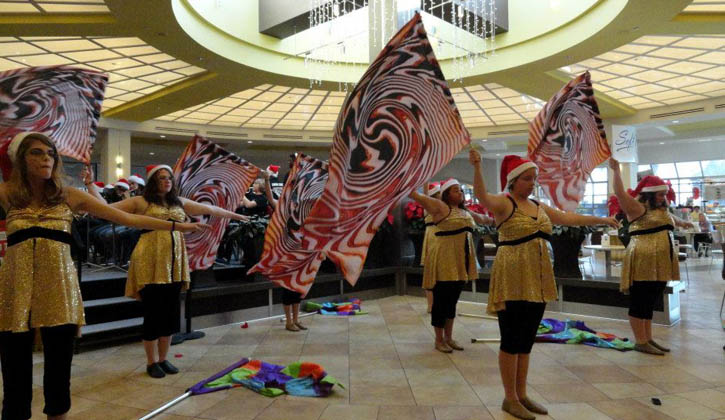
The Northview High School Tribal Beat Band, color guard, dance team and majorettes performed Saturday afternoon at Cordova Mall in Pensacola. The band used the performance as a fundraising opportunity to their trip next week to Orlando for the Class 1A football championship game.
For more photos, click here.Photos by Laura Gilmore, Leslie Gonzalez and Connie Brook for NorthEscambia.com, click to enlarge.
Christmas Parade Schedules
December 1, 2012
Here is a list of Christmas parades to be held this year around the North Escambia area:
December 7 — Poarch
The Poarch Creek Christmas Parade will be Friday, December 7 at 5:30 p.m. The parade will begin on the Poarch Creek Reservation at the Wellness Center (gym) and end at the PCI Health Department Building.
December 7 — Milton Boat Parade
The Riverwalk Milton Holiday Lighted Boat Parade will begin at 8:30 p.m. on Friday, December 7.
December 8 — Chumuckla
The Chumuckla Christmas Parade will be Saturday, December 8. Floats will line up on Mineral Springs Road at 11 a.m. The parade will begin at 1 p.m. from the cotton gin, travel Highway 182, cross Chumuckla Highway and end at Salter Road.
December 8 – Brewton
The Brewton Christmas Parade will be at 2 p.m. on Saturday, December 8. The parade will travel from Forrest Avenue in East Brewton, across the Mildred Street Bridge to St. Joseph Street to Belleville Avenue.
December 8 — Atmore
The Atmore 2012 Twilight Christmas Parade will be held Saturday, December 8 beginning at 5:30 p.m. The parade will follow its traditional route from the Atmore City Hall, down Main Street, to Lindberg Avenue and ending at Escambia County High School. Over two dozen floats are entered, along with several bands and numerous other groups. Parade participants should be at the Atmore City Hall by 4 p.m.
December 8 — Pensacola
The Pensacola Christmas Parade will be held at 5:15 p.m. on Saturday, December 8 in downtown Pensacola. Featuring local bands and the Blue Angels.
December 15 — Molino
The annual Molino Christmas Parade on Crabtree Church Road will be Saturday, December 15 at 11 a.m., ending with Santa Claus at the Molino Ballpark. To enter the parade, stop by Fran’s Diner on Highway 29 for information and to sign up.
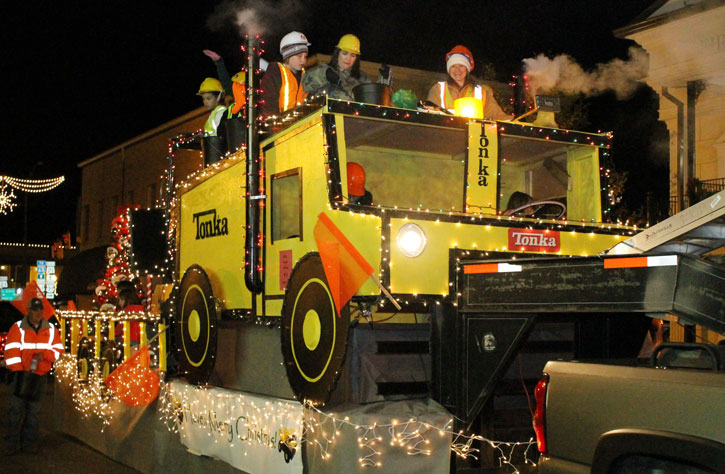
Pictured: A float in last year’s Atmore Twilight Christmas Parade. NorthEscambia.com photo, click to enlarge.
Barrineau Park Music Night Planned
November 30, 2012
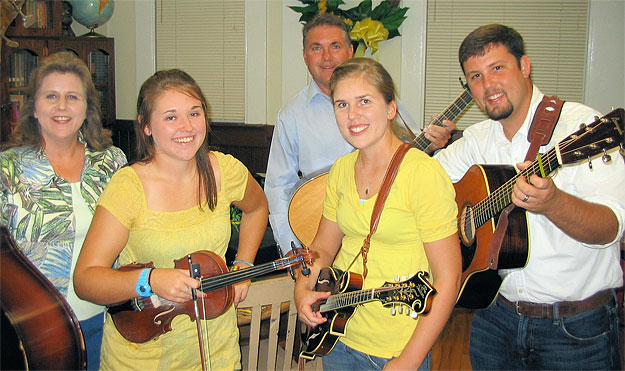
There will be plenty of good entertainment on stage next Friday night, December 7 in Barrineau Park — and it’s free. The monthly Barrineau Park Music Night will be held at the Barrineau Park Community Center. The featured local groups tonight are The Rowell Family Band and the Highway Home Bluegrass Band.
The singing starts at 6:30 p.m. Food and refreshments will be available beginning at 6 p.m.
The event is a family-friendly — no alcohol is permitted on the property, and no smoking is allowed in or near the building.
For more information, call (850) 572-4433. The Barrineau Park Community Center is located on Barrineau Park School road, about three miles west of Molino.
Pictured above: The Rowell Family Band. NorthEscambia.com file photo, click to enlarge.
7:15 a.m. edit corrects a typographical error on the date and confirms the event is next Friday, December 7.
Ester Robinson Named Molino Park Teacher Of The Year
November 28, 2012
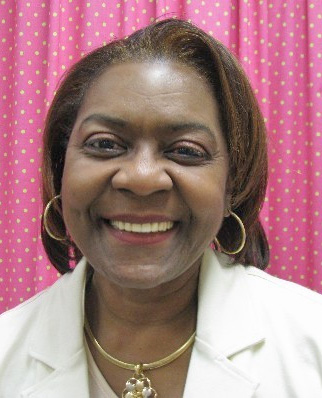
Ester Robinson has been named Teacher of the Year at Molino Park Elementary School. She teaches the fourth grade. Robinson is in her sixth year teaching at Molino Park. In her spare time, she enjoys reading, writing poetry, bowling, travel and spending time with her family.
Tate, Ransom Band Students To Perform With The Dallas Brass
November 27, 2012
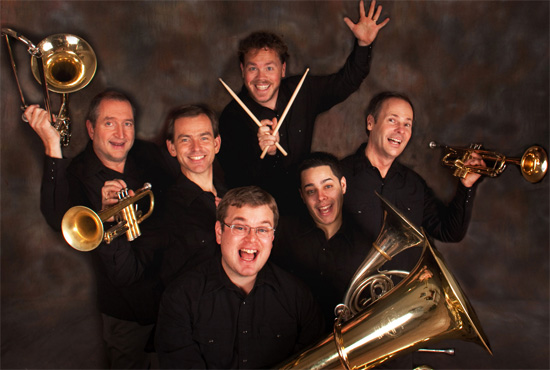
Next month, the internationally acclaimed Dallas Brass will perform with band students from Tate High and Ransom Middle schools.
This American Musical Journey concert will include music from the time of George Washington to the present day. The event will be held at 7 p.m. on December 3 at Hillcrest Baptist Church. All tickets are $10 at the door.
About the Dallas Brass
Since its founding in 1983 by Michael Levine, the Dallas Brass has become one of America’s foremost musical ensembles. The group has established a unique blend of traditional brass instruments with a full complement of drums and percussion, which creates a performing entity of extraordinary range and musical challenges. The Dallas Brass repertoire includes classical masterpieces, Dixieland, swing, Broadway, Hollywood and patriotic music.
In addition to their solo engagements, the Dallas Brass appears with symphony orchestras nationwide. Symphonic credits include the Cincinnati Pops conducted by Erich Kunzel, New York Pops conducted by Skitch Henderson, and the Philly Pops conducted by Peter Nero. The Dallas Brass has performed at Carnegie Hall, the John F. Kennedy Center in Washington, DC, and has toured overseas to Europe and the Far East. They have shared the stage with the late Bob Hope, have performed for Presidents Gerald Ford and George H. W. Bush, have appeared on the CBS “Early Show,” and their music has been used numerous times on the television show, “The Young & The Restless”.
The ensemble has released six recordings: Debut, Dallas Brass II, A Merry Christmas with Brass, Windborne, Nutcracker and American Musical Journey.

Shopping, Silent Auction Next Saturday To Benefit Halee Boyd
November 25, 2012
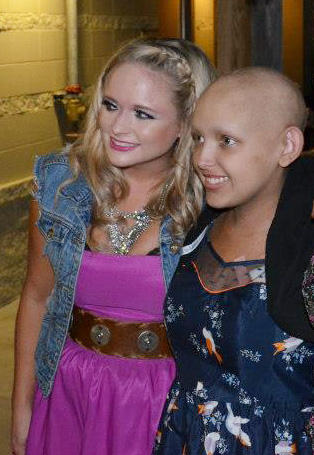
A day of early Christmas shopping and a silent auction will be held next Saturday, December 1 to benefit Halee Boyd, a Tate High School student that is battling cancer.
 The event will be held from 10 a.m. until 4 p.m. at Heritage Baptist Church, 3065 Highway 297A in Cantonment. Vendors will be on hand with Christmas bargains and a silent auction will offer numerous gift ideas. Door prizes will be given away each hour.
A hot dog chip and drink meal will also be available for $5.
Donations for Halee Boyd are also accepted at Doral Bank, 4920 Bayou Boulevard in Pensacola.
For more information about Halee, click here for a NorthEscambia.com story from earlier this year.
Pictured: Halee Boyd (right) had the opportunity to meet country star Miranda Lambert at a concert in October in Orange Beach. NorthEscambia.com file photo, click to enlarge.
Escambia County Students Of The Month Named
November 25, 2012
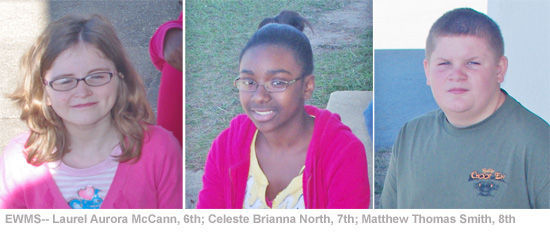
Students of the month for October have been named in Escambia County. The awards are presented monthly to two or three students from participating schools.
The following students were named from participating North Escambia area schools:
- Bratt Elementary — Hunter James Johnson, first; Summer Marie Waters, fourth
- Jim Allen Elementary — Iyauna Mone Caldwell, fourth; Kiauna Amari Watson, fourth
- Molino Park Elementary — Joe Henry Franklin, fourth; Leia Madison Grantham, fourth
- Ernest Ward Middle — Laurel Aurora McCann, sixth; Celeste Brianna North, seventh; Matthew Thomas Smith, eighth
- Ransom Middle — Madison Paige Philley, eighth; Hayden Michael Aiken, eighth
- Northview High — Zachary Sean Johnson, 12th; Julia Renee Thorpe, 12th
- Tate High — Dylan D. Barfield, 12th; Madeline Grace Chambers, 11th
Here is the complete list from across Escambia County from participating schools:
ELEMENTARY SCHOOLS
- Bellview Elementary — Robert Daniel Faires, first; Dakota Scott Weaver, fourth
- Beulah Elementary — Ayiana Sierra Spellman, fourth; Brandon Michael Anderson, fifth
- Blue Angels Elementary — Khuyen Thi Tran, fourth; Nathaniel James Grissom, fourth
- Bratt Elementary — Hunter James Johnson, first; Summer Marie Waters, fourth
- Brentwood Elementary — Dakota Destiny Barrientos, KG; Mercy‐Grace Hannah Lewis, KG
- Cook Elementary — Mark John Maddox, fifth; MacKenzie Noel Kent, fifth
- Ferry Pass Elementary — Azaria Takiah Allen, fourth; Mauricio Jose Manosca, fourth
- Hellen Caro Elementary — Katelynn Mackenzie Knight, fourth; Kiara Andrea Castleberry, fifth
- Holm Elementary — John Thomas Marlowe, fifth; William Allen Calhoun, fifth
- Jim Allen Elementary — Iyauna Mone Caldwell, fourth; Kiauna Amari Watson, fourth
- Lincoln Park Elementary — Brayden James Phillipp, pre-K; Darreyana M Lee, pre-K
- Lipscomb Elementary — Alyssa Kay Pearson, second; Jordan Eric Hayes, third
- Longleaf Elementary — Kylie Ann Flynn, first; Ariana Lyn Flores, first
- McArthur Elementary — Brandon Miguel Knieja, fourth; Kody Lambert Nutt, fourth
- Molino Park Elementary — Joe Henry Franklin, fourth; Leia Madison Grantham, fourth
- MyrtleGrove Elementary — Au’laysia Janiece Cartledge, third; Shelon Devon Hutchinson, third
- Navy Point Elementary — Jasmine Alexis Sanderson, third; Zoe Ava Strickland, second
- Oakcrest Elementary — Abby Breanne Hyde, third; Jahazara Nicole Anderson, third
- Pleasant Grove Elementary — Tyler James Ostrander, first; Knighten Makenna Richter, first
- Scenic Heights Elementary — Finlee M. Jenkins, first; Tristan T. Martinez, first
- Sherwood Elementary — Catie Ann Harris, fifth; Hao Nguyen Le, fifth
- Suter Elementary — Ameenah Yaasameen Clark, fourth; Christian Elizjah Dunn, fourth
- West Pensacola Elementary — William La’Michael Gholston, first; Jordan La’Nay Latham, first
MIDDLE SCHOOLS
- Bailey Middle — Jordan Deaunte’ Jackson, sixth; Lacey Kieu‐trinh Do, seventh; Nikolaus Barrett Ludwig, eighth; Tashawn Tyriale Molette, eighth
- Bellview Middle — Tre’shaun Marquise Lewis, eighth
- Brown Barge Middle — Bre’aja My’kell Baldwin, seventh; Niko Adrian Demarco, seventh
- Ernest Ward Middle — Laurel Aurora Mccann, sixth; Celeste Brianna North, seventh; Matthew Thomas Smith, eighth
- Ransom Middle — Madison Paige Philley, eighth; Hayden Michael Aiken, eighth
- Warrington Middle — Jihad Romander Singleton; Warrington Middle — Mikyla Francene Richardson‐Wiggin, eighth
- Woodham Middle — Antonio Demetrice Brown, seventh; Alyson Michelle Shiver, seventh
- Workman Middle — Hallie Frances Stephenson, seventh; Logan Nicholas Schall, seventh
HIGH SCHOOLS
- Northview High — Zachary Sean Johnson, 12th; Julia Renee Thorpe, 12th
- Pine Forest High — Spencer Michael Simpson, 12th; Arden Marie Legassey, 11th
- Tate High — Dylan D. Barfield, 12th; Madeline Grace Chambers, 11th
- Washington High — Rachel Anne Moore, 12th
- West FL High — Madison Marie Lopez, 11th; Rafael Shaquile Ortiz, 10th
SPECIAL CENTERS
- Beulah Academy — Michael Alexander Moore, eighth; Kaleb Marcell Waldrop, eighth
- PATS Center — Ahsley Wu, fourth; Thinh Phan, fifth; Jordan Weddington, eighth; Ian Abercrombie, eighth
- George Stone — Francesca Pamela Curtis, third