
Wilson Robertson Boat Ramp Opens Honoring Longtime Public Servant
February 12, 2016

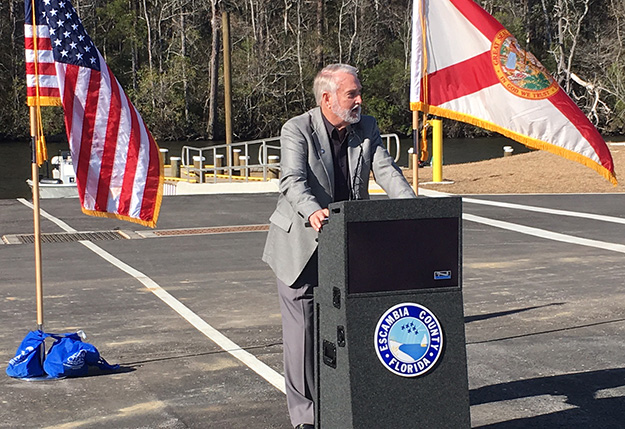
More than 50 local, regional and state representatives joined Escambia County in celebration of the new Wilson B. Robertson Boat and Canoe Launch ad at 11800 Mobile Highway Thursday. The special ceremony also recognized Vice Chairman and District 1 Commissioner Wilson B. Robertson for his years of service and dedication to Escambia County, including his years of service as District 5 commissioner.
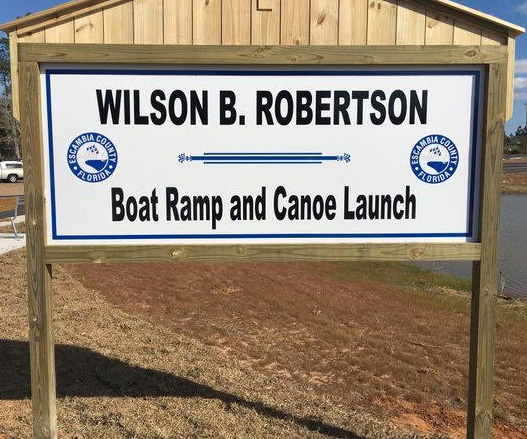 The boat ramp area, which sits on a 4.8 acre parcel near the Perdido River, features two boat ramp launch lanes, an ADA compliant dock, a paddle craft launch, 31 parking spaces for vehicles with trailers and a covered picnic table. Funding sources for the project included a Natural Resource Damage Assessment grant from the Florida Department of Environmental Protection, Escambia County Local Option Sales Tax and vessel registration fees for a total of $2.65 million.
“Fishing and boating are just some of the many recreational activities that continue to serve as great outdoor experiences in Escambia County,” said Robertson. “This new facility provides opportunities for citizens and tourists of all ages to enjoy, and I am very grateful to all of the local, regional and state partners that helped bring this project into fruition.”
Photos for NorthEscambia.com, click to enlarge.
 r
r
Softball: Northview Chiefs Beat Central
February 12, 2016

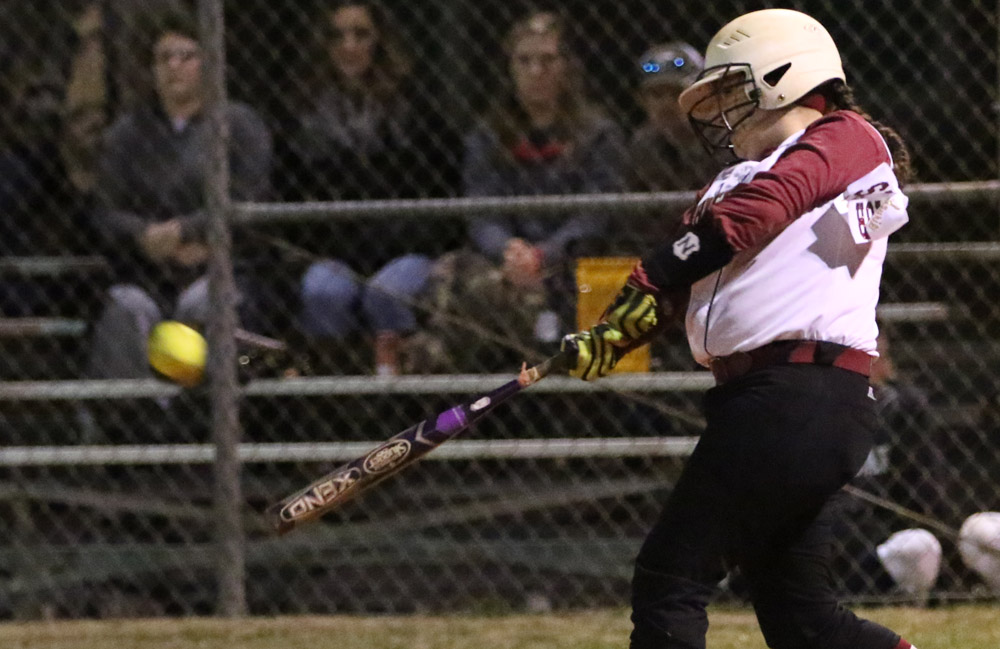
 The Northview Lady Chiefs rallied in the bottom of the seventh to beat the Central Jaguars 6-5 Thursday night in Bratt. The Chiefs and Jags were tied 3-3 at the end of six.
The Chiefs’ Tori Herrington had 13 strikeouts while going three for three at the plate. Aubree Love and Kendall Enfinger were two for three, while Laurie Purdy had the scoring base hit for Northview.
The Lady Chiefs will host the Jay Royals Friday. The JV plays at 4:00, the varsity at 6:00.
NorthEscambia.com photos, click to enlarge.
Authorities Seek Missing, Endangered Man
February 12, 2016

The Santa Rosa County Sheriff’s Office is looking for a man classified as missing and endangered. He also has two outstanding warrants for his arrest.
Brad Matthews, 38, was last seen December 9 on Carl Booker Road in Milton. He is described as being five-foot nine inches tall, 130-140 pounds with sandy brown hair, possibly reddish facial hair and missing a front tooth.
Anyone with information on his whereabouts is asked to call the Santa Rosa County Sheriff’s Office or their local law enforcement agency.
Century Man Ticketed For Rear-Ending School Bus
February 12, 2016
A Century man was cited after rear-ending a school bus Thursday morning in the Beulah area.
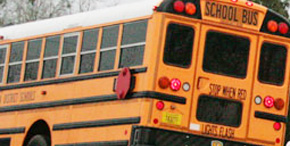 Donal R. Edwards, 43. was traveling westbound on Helms Road near Wood Road when he rear-ended a school bus that was stopped with all stop-signs and lights on, according to the Florida Highway Patrol
Bus driver Julie Countrymann, 41, and the 25 passengeers on the bus were not injured. Edwards, who was also not injured, was ticketed for careless driving by the FHP.
NorthEscambia.com file photo.
Area Schools Receive NFL Golden Footballs To Honor Local Super Bowl Players
February 11, 2016
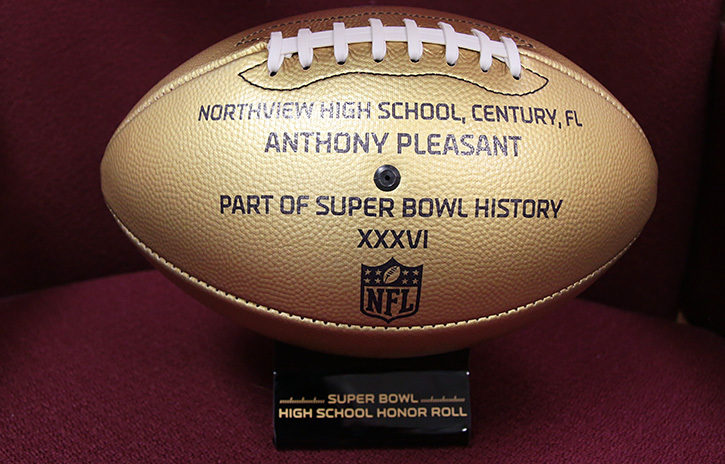
Three North Escambia area high schools — Tate, Northview and Escambia County (Atmore) — were surprised with golden footballs from the NFL to commemorate Super Bowl 50.
High schools across the country, and around the globe, were given a Wilson Golden Football for every player or head coach who graduated from the school and was on an active Super Bowl roster.
The NFL Foundation will also provide the schools with a new character education curriculum and the opportunity to apply for grants of up to $5,000 to help support and grow their football programs. The NFL Foundation has invested $1 million towards the campaign.
Super Bowl High School Honor Roll is an initiative developed by the NFL to recognize schools and communities that contributed to Super Bowl history and positively impacted the game of football.
The three North Escambia area schoold receiving the golden footballs and their Super Bowl connections were:
- Century/Northview — Anthony Pleasant, Super Bowl XXXVI (2002) and Super Bowl XXXVIII (2004), New England Patriots
- Tate High – Fred Robbins, Super Bowl XLII (2008), New York Giants; Graham Gano, Super Bowl 50 (2016), Carolina Panthers (Gano was not part of the golden ball distribution)
- Escambia County High School (Atmore) — Don McNeal, Super Bowls XVII (1983), XIX (1985), Miami Dolphins; Ron Middleton, Super Bowl XXVI (1992), Washington Redskins
Other Escambia and Santa Rosa County schools with connections to the Super Bowl are list below. Those taking part in Super Bowl 50 were not included in the football distribution (as it was planned before the game):
- Catholic — Josh Sitton, Super Bowl XLV (2011), Green Bay Packers
- Escambia — Emmitt Smith, Super Bowl XXVII (1993), Super Bowl XXVIII (1994), Super Bowl XXX (1996), Dallas Cowboys.
- Washington — Derrick Brooks, Super Bowl XXXVII (2003); Tampa Bay Buccaneers; Horace Jones, Super Bowl XI (1977), Oakland Raiders
- Woodham — Tyronne Green, Super Bowl 50 (2016), Carolina Panthers
- Gulf Breeze — Doug Baldwin, Super Bowl XLVIII (2014), Super Bowl XLIX (2015), Seattle Seahawks; Jason McKie, Super Bowl XLI (2007), Chicago Bears
- Milton — Lawrence Tynes, Super Bowl XLII (2008), New York Giants; Elijah Williams, Super Bowl XXXIII (1999), Atlanta Falcons; Courtland Finnegan, Super Bowl 50 (2016), Carolina Panthers.
Northview High School Principal Gayle Weaver said the school hopes to hold an assembly at a future date with Anthony Pleasant. Defensive end Pleasant, who was born in Century, was selected by the Cleveland Browns in the third round fof the 1990 NFL Draft. He earned his Super Bowl rings in 2002 and 2004 with the New England Patriots. He graduated from Century High School n 1986, before Century and Ernest Ward High School were later consolidated into Northview High School.
NorthEscambia.com photos, click to enlarge.

NJROTC Annual Inspection Held (With Photo Gallery)
February 11, 2016
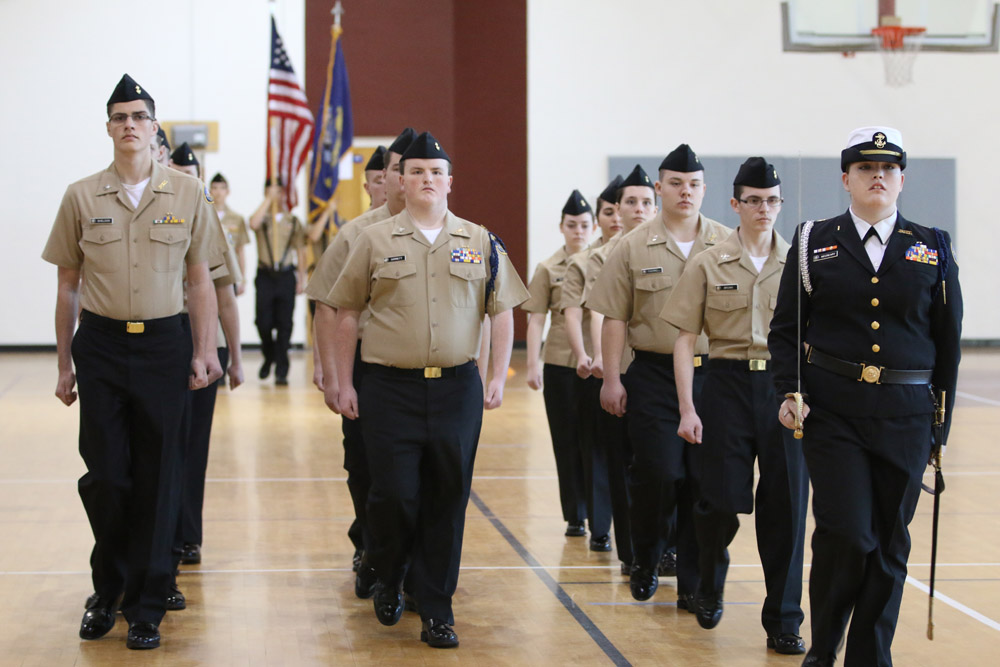
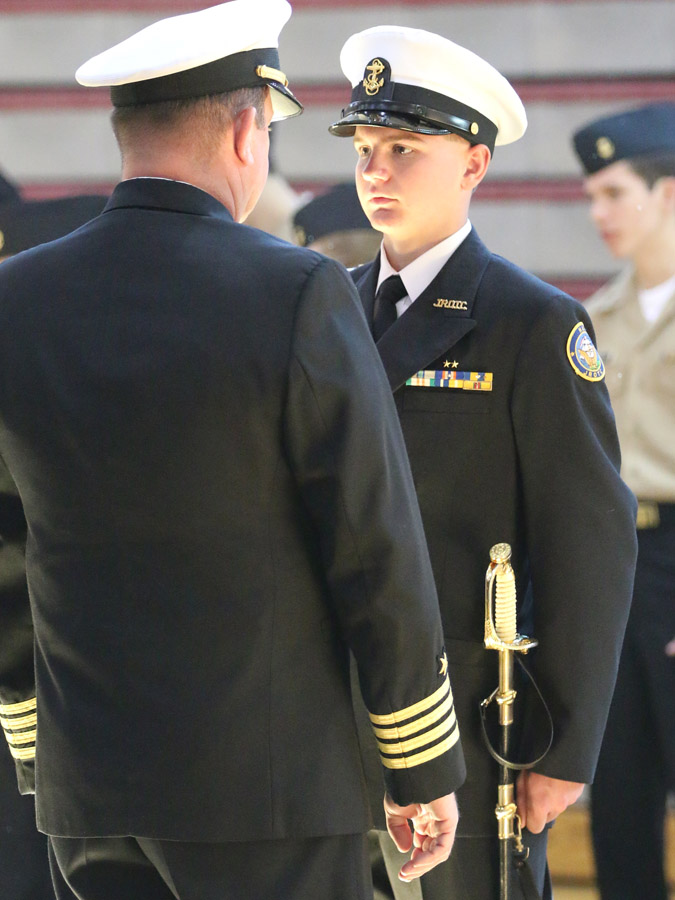
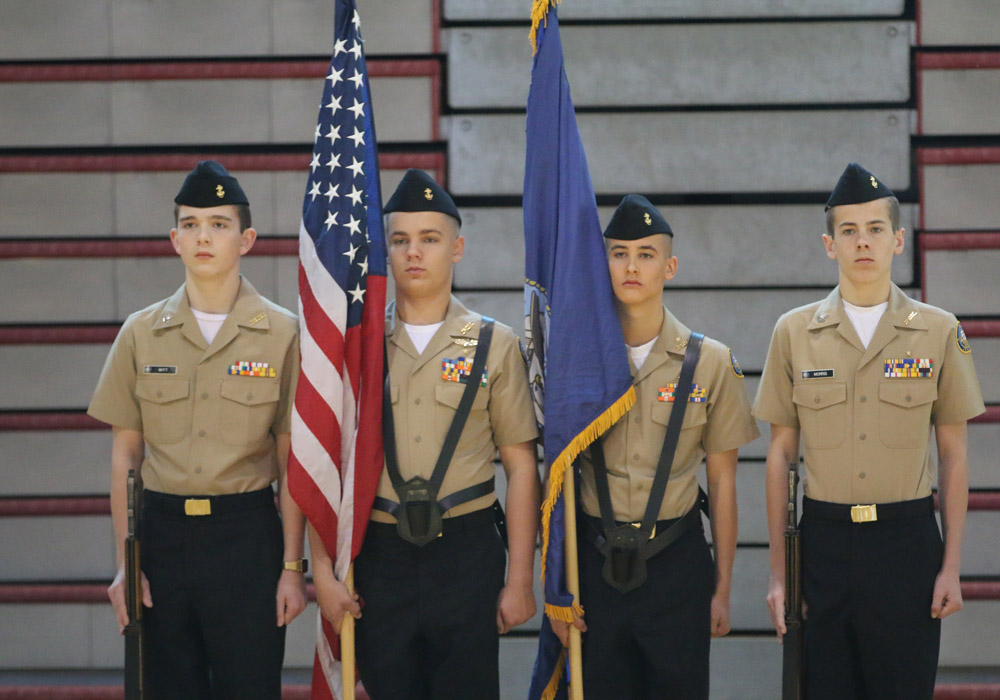
Northview High School’s NJROTC Annual Inspection was held Wednesday at the school, with cadets undergoing face to face scrutiny with a Navy captain.
Captain Mark Truluck, Commanding Officer, Naval Aviation Schools Command, NAS Pensacola, conducted the inspection. The day’s events began with a personnel inspection, drill demonstration and a pass-in-review in the school gym. The captain also conducted a financial record review, briefings, administrative inspections, supply inspections and more.
Northview’s NJROTC is under the command of Senior Naval Science Instructor Captain Charlie Code and Chief Jeffrey Simpkins. The unit is led by Company Commander Cadet LCDR Moriah McGahan, Executive Officer Cadet LT SJohn Reaves and Command Master Chief Cadent CMC Uriel Codrington.
For a photo gallery from the inspection, click here.
The follow cadets earned an Exemplary Personal Appearance award/ribbon at Wednesday’s inspection:
- Kris Baxter
- Haley Black
- Emily Brown
- Leona Courtney
- Crystal Douglas
- Jasmine Elliott
- Victoria Grammer
- Triston Long
- Hannah McGahan
- Wyatt Morris
- Audriene Odom
The following cadets were promoted in rank during the ceremony:
- Rebekah Amerson
- James Ates
- Kris Baxter
- Hayley Black
- Rheanna Black
- Alyssa Borelli
- Jacob Borelli
- Katie Cmehil
- Crystal Douglas
- Lawrence Douglas
- Jasmine Elliott
- Victoria Grammer
- Jacob Harrison
- Mya Henderson
- Maggie Lane
- Triston Long
- Sara McCreary
- Hannah McGahan
- Wyatt Morris
- Audriene Odom
- Orelblis Rodriguez
- Zachary Sheldon
- Kyle Smith
- James White
Pictured: Northview High School’s NJROTC Annual Inspection Wednesday morning. NorthEscambia.com photos, click to enlarge.
Polar Run, Walk-A-Thon Set For Saturday At Tate High
February 11, 2016
The “Polar Run” is set for Saturday at Pete Gindl Stadium at Tate High School.
 The event is a fun and fit activity for students and supporters, with all participants striving to achieve their personal best distance. Participants will set realistic lap goals based on age and development, while helping to meet a $1,000 donation to the Leukemia/ Lymphoma society by encouraging participants to get sponsors for the distance they believe they will walk or run. Registration will start at 9:30, and the laps will begin at 10:00.
There will be several other activities occurring during the Polar Run. Maverick, from the Ice Flyers, will be there at 10:00; the OneBlood Big Red Bus will be onsite so those interested can give blood to support community needs; those interested in fostering or adopting a new pet can visit with representatives from the Pensacola Humane Society who will be on site to answer questions and introduce some adorable animals in need of a forever home; and free blood pressure checks will be offered.
In addition, a silent auction will start at 10:30 a.m., with winners announced at noon. There will be games, food, music, and activities to enjoy as auction participants await results.
For a registration/sponsorship form, click here.
Escambia Man Gets 20 Years For Shooting At Woman
February 11, 2016
An Escambia County Jury has convicted Kanarriso D. Loveless of aggravated assault with a firearm, battery, and discharge of a firearm in public.
 According to prosecutors, Dallas Morrell and her boyfriend, Derrell Avant, got into an argument. Dallas called her mother, Earlene Millender, who then picked her up and went to Derrell’s house to speak to his mother, Tynesha Avant. Earlene (Dallas’ mother) and Tynesha (Derrell’s mother) were having a civil conversation when Kanarriso Loveless threatened to shoot Derrell.
An argument ensued between Loveless and Tynesha and at that time, Loveless hit Tynesha in the head. When Tynesha picked up a brick to defend herself, Kanarriso Loveless pulled out a gun and fired four times at her. Earlene Millender and Karnarriso Loveless then got back in the car and left the scene.
Law enforcement located the car involved at Earlene’s house, which was registered to Kanarriso Loveless. When law enforcement presented a photo lineup to Tynesha, she immediately identified Kanarriso Loveless as the shooter.
Following the verdict, Circuit Judge Scott Duncan sentenced Kanarriso Loveless to a minimum mandatory of 20 years in state prison.
FFA Members Share Ag Message At Molino Park, Byrneville
February 11, 2016

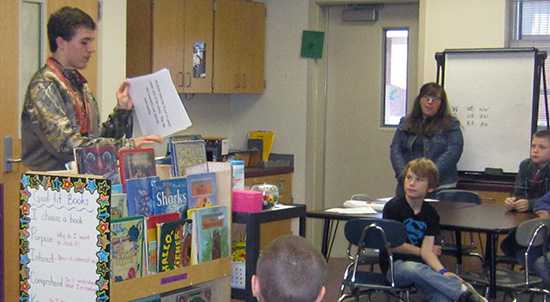
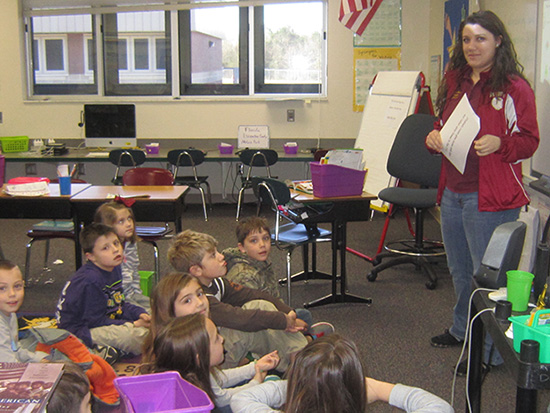
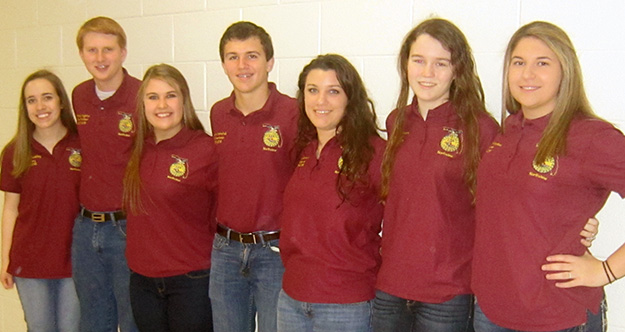
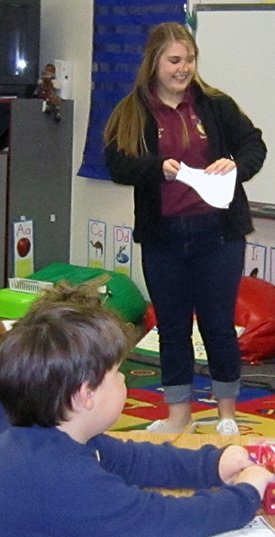 Several students from the Northview High School FFA shared the importance of agriculture and the role agriculture plays in our daily lives with students at Molino Park and Byrneville elementary schools on Wednesday.
They were also able to speak with each classroom about the upcoming Fresh From Florida program planned for March 11 at Northview. The program is designed to make today’s elementary students more aware of the world of agriculture and how it affects their daily lives. One of the primary objectives is to promote agricultural literacy among today’s students.
Northview FFA has won state recognition for this program and is rated one the best chapter programs in the state of Florida. Last year, they reached over 1,000 elementary students.
Submitted photos for NorthEscambia.com, click to enlarge.


Election Ballots Are In The Mail
February 11, 2016
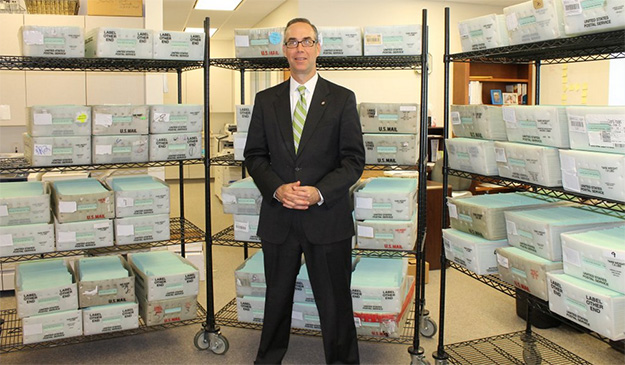
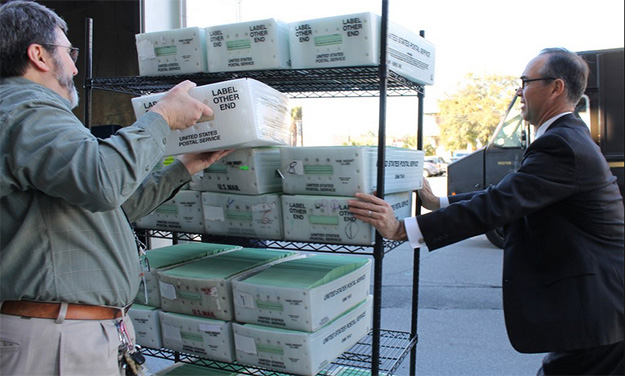
The Escambia County Supervisor of Elections Office has delivered more than 20,000 mail/absentee ballots to the post office for the Presidential Preference Primary election. Ballots must be received back in the Supervisor of Elections Office by 7 p.m. on Election Day, March 15. Ballots require a first-class postage stamp (49 cents postage) if returned by mail.
The deadline to request a mail/absentee ballot for the Presidential Preference Primary is 5 p.m. on Wednesday, March 9. To request or track your absentee ballot for the Presidential Preference Primary, visit EscambiaVotes.com and click “Vote by Mail”, or contact the Supervisor of Elections Office at (850) 595-3900.
Courtesy photos for NorthEscambia.com, click to enlarge.