
Northview Chiefs Cruise Past Chipley 41-6 (With Photo Gallery)
September 17, 2016
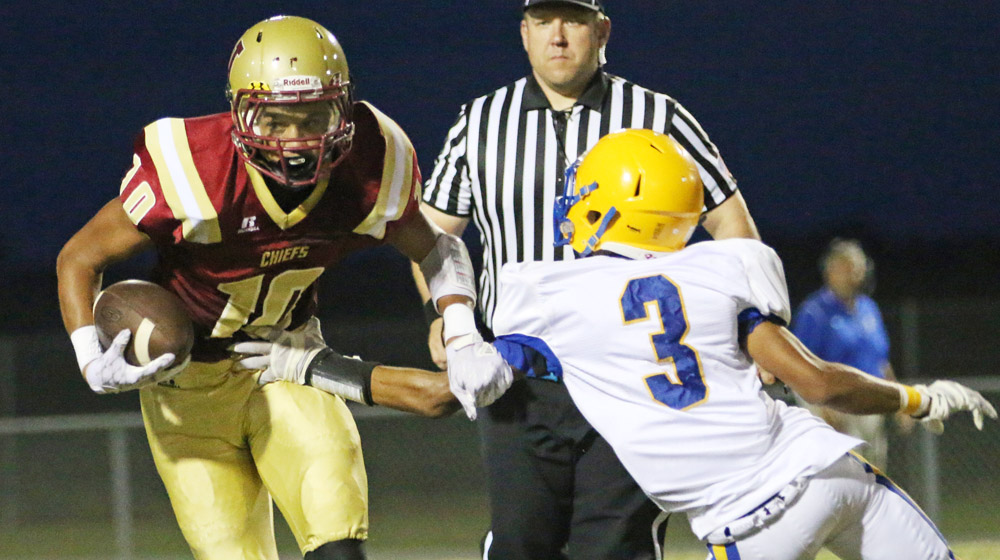
The Northview Chiefs cruised to 41-6 win over Chipley Friday night in Bratt.
 Quarterback Luke Ward led the Chiefs with just under 500 yards on the night — 253 yards on the ground and three touchdowns, and 216 yards with two TD’s in the air.
For a game photo gallery, click here.
With 10:24 on the clock in the first, Northview’s Neikel Robinson had 70-yard interception return that, coupled with a good point after kick from Seth Killam, gave the Chiefs a 7-0 lead early. Robinson added 137 yards for Northview on six catches before the night was over.
“We started fast, which was key for us,” Northview Head Coach Derek Marshman said. “We had not started fast all season before tonight. It has been an ongoing process, knowing we had to start fast. Finally tonight we got a good first half together and we were able to control the ball for all four quarters.”
The Chiefs scored again with 3:00 in the first on a TD-pass from Ward to Josh Smith, and with less than a minute in the first on a QB-keeper from Ward to end the first up 21-0.
A Rayvon Bush TD for Northview and the lone touchdown of the night for Chipley made it 28-6 at the half.
The Chiefs opened the third with another quarterback keeper from Ward, 34-6. And Ward was in for another with 7:56 to go in the ballgame to make it 41-6 and set a running clock into motion.
Next Friday night, the Chiefs begin a three-week road series of nearly 1,000 miles to Van Cleave, MS, followed by Maplesville, AL, and Liberty County, FL.
For a game photo gallery, click here. (A bonus gallery with the band will be posted Sunday or Monday).
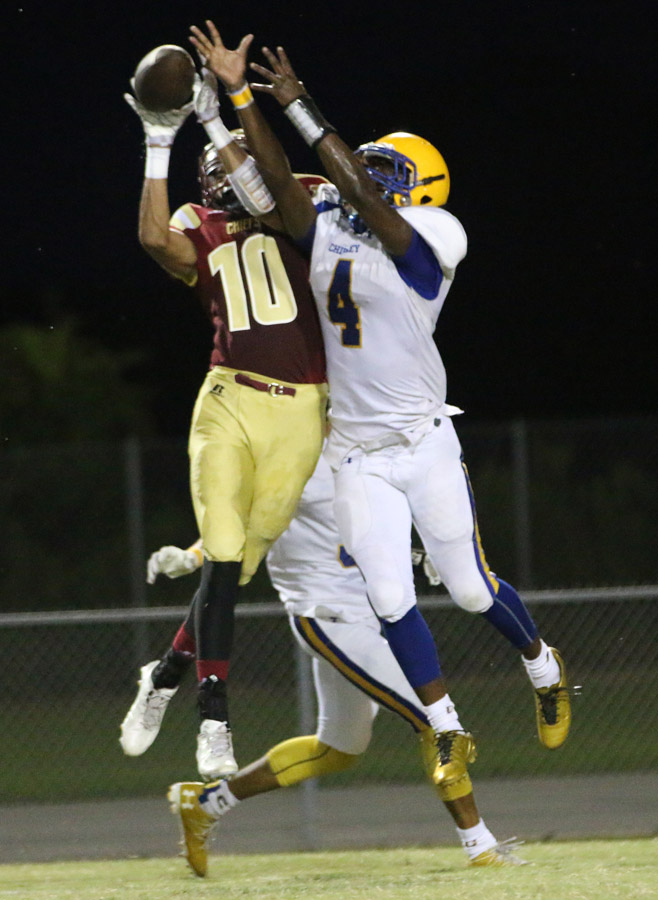
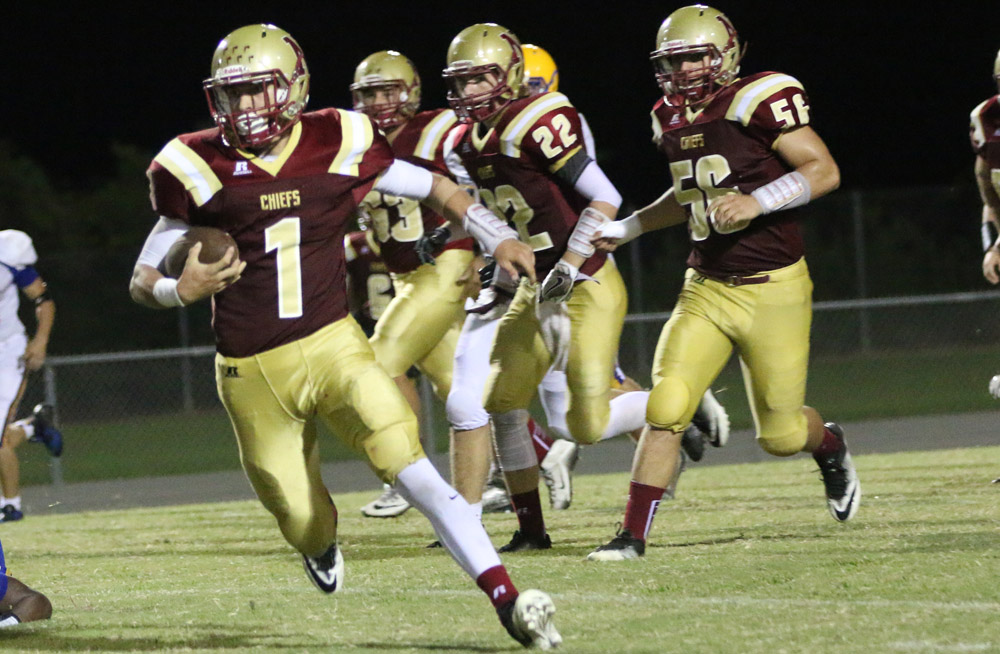
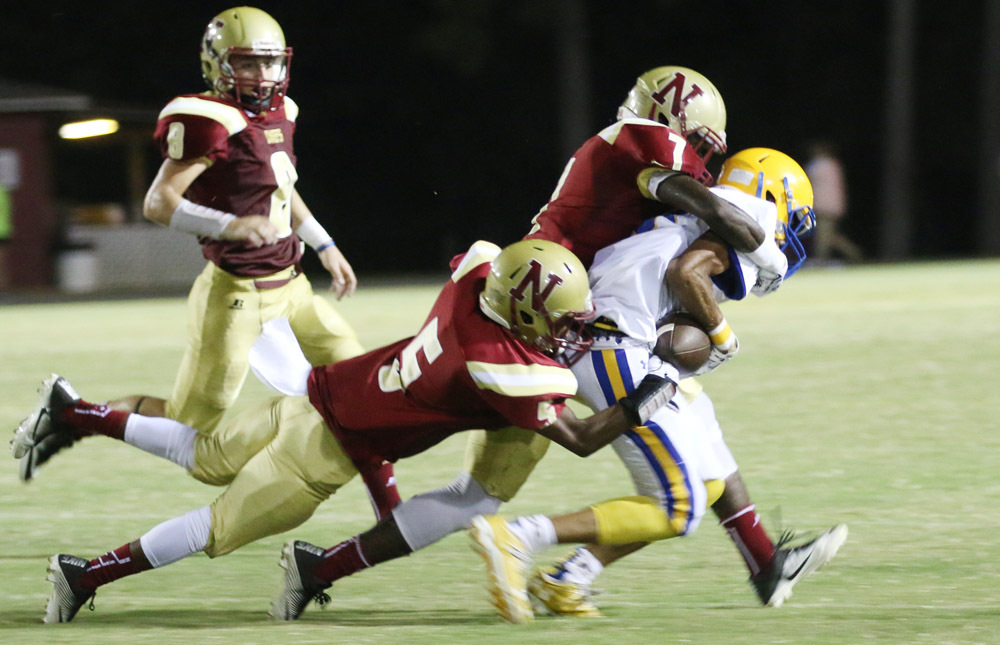
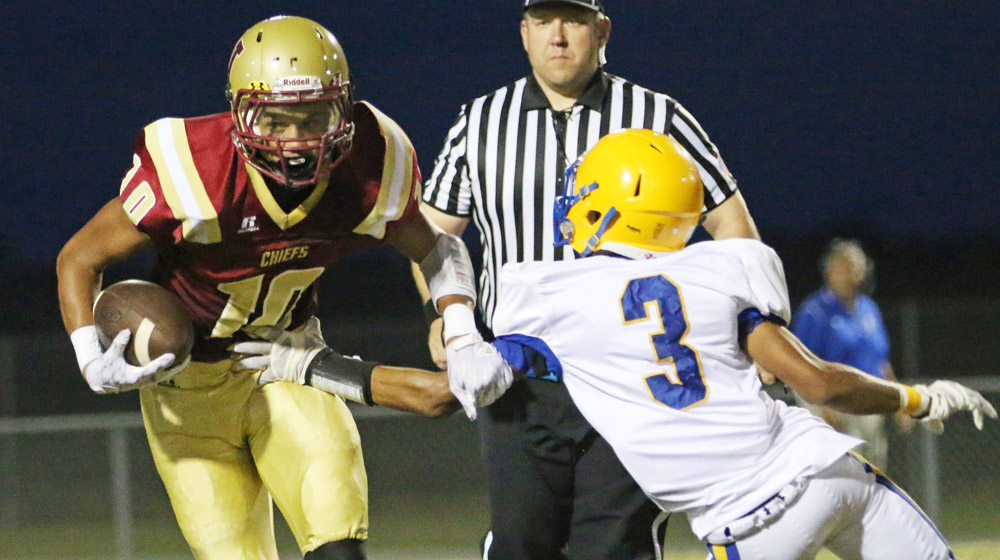
Pictured top: Northview’s Neikel Robinson gains yards for the Chiefs Friday night against Chipley. Pictured inset: Robinson goes up for a pass. Pictured below: Northview’s Luke Ward (#1) on a keeper. Pictured bottom: A Chipley Bulldog can’t get past Northview’s defense, including Greg Pressley (#5) and Tim Bush (#7). NorthEscambia.com photos, click to enlarge.
Football Night Football Finals
September 17, 2016
Here’s a look at Friday night’s high school football FINAL scores.
FLORIDA
- Northview 41, Chipley 6
- Tate 45, PHS 21
- West Gadsden 32, Jay 7
- West Florida 35 Mosley 14
- Gulf Breeze 21, Pine Forest 7
- Catholic 28, Milton 7
- Pace 35, Washington 15
- Jesuit 34, Escambia 13
- Niceville 42, Bassfield 7
- Navarre 34, Choctaw 21
- Baker 35, Walton 24
ALABAMA
- Escambia Academy 56, Jackson Academy 19
- Andalusia 54, Escambia County (Atmore) 0
- Cottage Hill 27, Flomaton 21
- Mobile Christian 27, T.R. Miller 19
- W.S. Neal 54, Calhoun 0
Weekend Gardening: Time To Plant Those Fall Vegetables
September 17, 2016
by Santa Rosa Extension
The slightest hint of fall is in the air. But this doesn’t mean that the vegetable gardening season is over. Fall is an excellent time to grow cool-season vegetables.
Florida is unique in that we have multiple growing seasons. There is something that can be grown in the vegetable garden all year round. Knowing which vegetables to grow during which season is the key to having a successful harvest.
In the summer, gardeners are somewhat limited in the different types of warm-season vegetables that can be grown and will survive the heat. Now with cooler days approaching, we have a much wider selection of cool-season vegetables to plant.
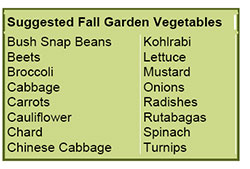
In September many vegetables can be planted in the garden including beets, broccoli, Brussels sprouts, cabbage, carrots, cauliflower, collards, kale, kohlrabi, leek, lettuce, mustard, onions and radish. In October, you can plant Chinese cabbage, spinach and strawberries.
 These vegetables are best started from transplants but many can be direct-seeded. If you seed them directly into the soil, keep the ground moist while it’s still warm to give them a good start. Keep them well watered if you transplant, too. The later you start, the smarter it becomes to transplant to cut the time to maturity. Preparing the garden properly is as important as selecting the right plants.
Choose a sunny location. Most vegetables perform poorly in shade. An area that receives at least eight hours of sunlight per day is best. Some vegetables such as broccoli, collards and spinach will tolerate partial shade. Avoid locating your garden near hedges or trees. They not only create too much shade but also compete with the garden for moisture and nutrients.
Locating the garden near the house will make it easier to periodically check the garden for insect pests and disease. And, it is easier to keep an eye on the garden for larger pests such as birds, squirrels and rabbits. Closeness to the house will make it convenient in tending to the garden chores.
 Locate the garden near a water supply so it can be watered as needed. You’ll get only moderate results if you try to grow a garden without supplemental irrigation.
Of course, it’s important to prepare beds properly before planting. To do that, clear the site of all weeds or finished vegetable plants. Turn the soil with a shovel, fork or tiller to a depth of at least 8 inches, and spread a 2-inch to 4-inch layer of organic matter (leaves, grass clippings, aged manure or compost) over the tilled soil. This helps to maintain a high level of organic matter in the soil, which encourages a strong, healthy root system, improves drainage, retains moisture, provides nutrients and promotes vigorous plant growth.
Mix the organic matter thoroughly into the soil. Turn the soil by digging with a shovel, garden fork or a tiller until the materials you’ve added are evenly distributed in the soil. When using fresh organic amendments, it’s best to wait a couple of weeks before planting your transplants or seeds.
By this time of year, insects and diseases have had all summer to build up their populations. Insects such as whiteflies, stink bugs, aphids and caterpillars are commonly seen. Since insect and disease pressure often is greater in the late summer/early fall than in the spring, watch plants carefully for problems and use appropriate control measures promptly when needed. Contact your local Extension Office for control recommendations.
Dreams Come True: Honorary Tate Aggie Markus Baxley To Play Football (With Video)
September 16, 2016
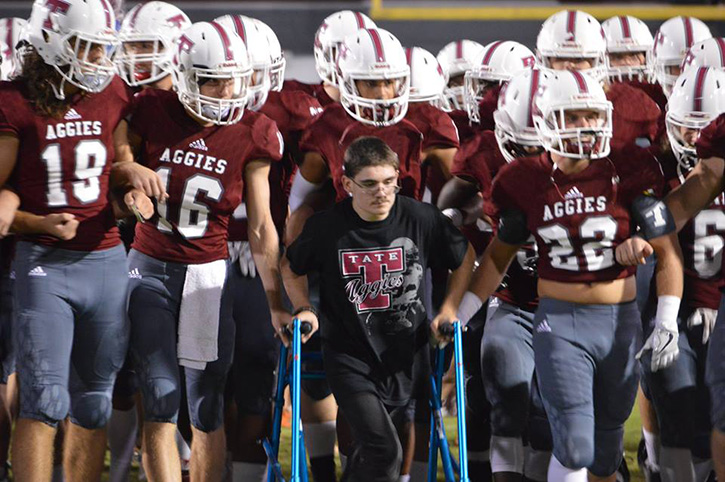
Dreams really do come true in high school football. Just ask Tate High School senior Markus Baxley, who has cerebral palsy.
Baxley has spent four years “on” the Tate Aggies team as an honorary member, but he’s never scored a touchdown, made a tackle or even played a single down. But he embodies that Aggie spirit, and has always provided the support his team needs. Now his team has stepped up to make his dream of playing a reality.
 Friday night, October 7, 2016 will be one of the biggest nights of his life. Markus will get to play one play, the play of a lifetime, as the Aggies host the Pace Patriots.
Markus received the news during class Friday at Tate and was presented his official helmet.
“It’s always been my dream to play with people that I have known for a long time,” he said. “And now I get to live my dream for one play. It’s going to be a night that I am going to remember for the rest of my life.”
Markus will also earn his letter in football by taking part in the single play.
Not bad for a young man that doctors said would never walk and never talk.
After a team prayer last Friday night, Markus led his Aggie team across the field and on to a 41-6 homecoming victory, and last Saturday night he attended the homecoming dance with freshman cheerleader Hailey Morphis..
Video of Markus learning that he will play is below (if you do not see the video, it is because your home, work or school firewall is blocking YouTube videos). NorthEscambia.com video and photos by Kristi Barbour and Jennifer Repine.
One Arrest In ‘Flomo Klown’ Case; More Arrests Forthcoming
September 16, 2016

UPDATE 2:45 pm Friday:
 Makayla Smith, 22 of Pecan Leaf Lane in Flomaton, has been charged with making a terroristic threat in the Flomo Klown case. Three additional juvenile arrests are expected. Two of the juveniles are from Alabama, and one is from Florida. None of the suspects had affiliation or were currently attending the public school system, according to the Escambia County Sheriff’s Office.
Charges are pending in the case and the juveniles remain in the custody of their parents but will be turned over to the juvenile authorities at a later time once official charges are filed, which will be in the immediate future. The Sheriff’s Office will release further information after the district attorney and juvenile authorities determine what charges will be filed.
UPDATE 1p.m. Friday:
Four suspects have been identified in the Flomo Klown case that locked down several schools Thursday, but there have been no arrests as of just before 1 p.m. Friday, according to Escambia County (AL) Chief Deputy Mike Lambert.
Lambert said his department is awaiting a judge’s signature on the warrants before any arrests can be made.
The suspects are three juveniles and one adult, all from Flomaton except for one juvenile that is from Pensacola.
Further details will be posted as they become available.
ORIGINAL STORY:
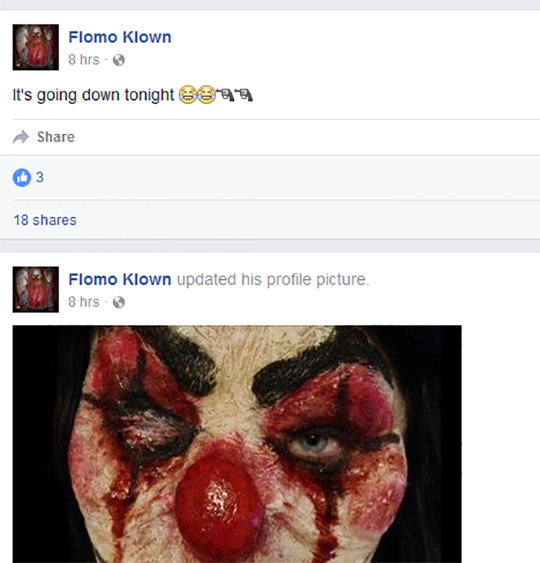
Multiple Escambia County, AL, schools were on lockdown Thursday morning due to the report possible violence from clown.
A Facebook page entitled “Flomo Klowns” that featured scary clowns with blood and other gore prompted the lockdown at Flomaton High School, Flomaton Middle School and Flomaton Elementary (all located on the same campus), Huxford Elementary north of Atmore, Escambia Academy near Atmore and a partial lockdownEscambia County High School in Atmore.
In addition, a threatening phone call was received at Huxford Elementary, said Mike Lambert, chief deputy with the Escambia County (AL) Sheriff’s Office.
All schools are off lockdown and all students are reported to be safe.
The Flomo Klowns Facebook page said that they are from Flomaton and contained statements such as “I kill people for a living” and a Thursday post that stated “It’s going down tonight”.
The situation was taken “very seriously”, Lambert said.
The FBI has been called to assist in the investigation.
Northview’s Ward Receives Offer From Division 1 Mercer University
September 16, 2016
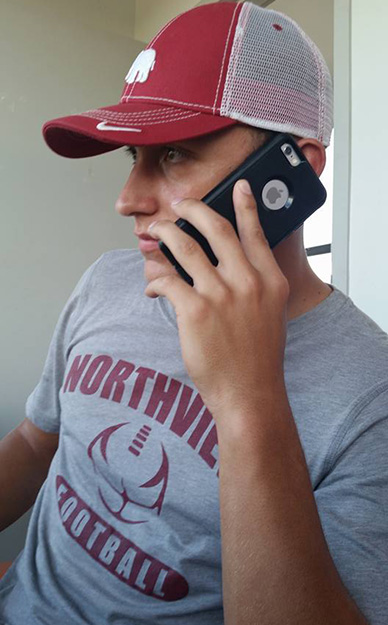
Northview High School senior Luke Ward received his first official offer Thursday evening from Division 1 Mercer University. Mercer University is the oldest private university in Georgia with its main campus in Macon, GA. Pictured: Luke Ward on the phone receiving his first D1 offer from the Mercer University Bears Thursday evening. Photo for NorthEscambia.com, click to enlarge.
Greater Use Of Juvenile Civil Citations Sought
September 16, 2016
A coalition of groups released a report Wednesday that calls for an increased use of civil citations for juvenile offenders in Florida.
Civil citations serve as an alternative to arresting youths for incidents such as fighting, minor drug and alcohol offenses and petty theft. Instead of being arrested, the offenders are required to do such things as community service and writing letters of apology to their victims.
Although the use of civil citations has increased recently, about 12,000 Florida youths were arrested for those types of misdemeanors last year. Children’s advocates said a majority of the youths should have been instead given civil citations, as juvenile records can prevent young people from renting apartments, entering the military or getting jobs.
The coalition of groups held a news conference Wednesday in Tallahassee to call for using more civil citations.
“We are not here today to pick a fight with law enforcement, but we are here to make a point,” said Roy Miller, president The Children’s Campaign. “The pilot project is in. The research is conclusive. Civil citations work better than arrests, and we need to get everybody on board.” The use of civil citations by law enforcement is voluntary, and statewide the diversion plans are used 42 percent of the time when they are an option.
“The alarming thing about this report is that there are still too many communities that are jeopardizing the future of young people by saddling them with an arrest record for a non-violent, minor offense,” said Howard Simon, executive director of the American Civil Liberties Union of Florida.
by The News Service of Florida
Navy Report: Blue Angel Crash Due To Pilot Error
September 16, 2016

Three months after the death of of Blue Angel number six in a Tennessee air show, a Navy report says the crash that killed that killed U.S. Marine Corps Captain Jeff Kuss was due to pilot error.
“Although Capt. Kuss was a highly trained and respected naval aviator, his deviations from standard operating procedures in executing the Split S maneuver resulted in a fatal loss of situational awareness,” the report stated. In the “Split S”, the plant turns toward the opposite direction from which in came after a swooping dive.
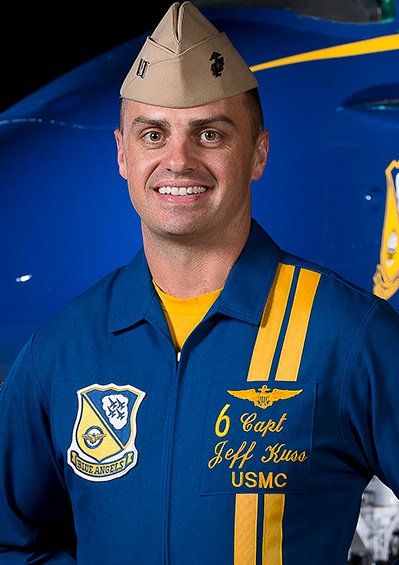 Kuss was transitioning from a High Perfermance Climb into the Split S, but he was too fast and too low.
“It is mathematically impossible to successfully execute a Split S maneuver under the parameters that Capt. Kuss flew,” the report stated.
Kuss tried to eject at the last second, but trees likely prevented that from happening, His official cause of death was listed as blunt force trauma.
The Split S maneuver will be removed the Blue Angels show.
Gulf Breeze JV Tops Northview (With Photo Gallery)
September 16, 2016
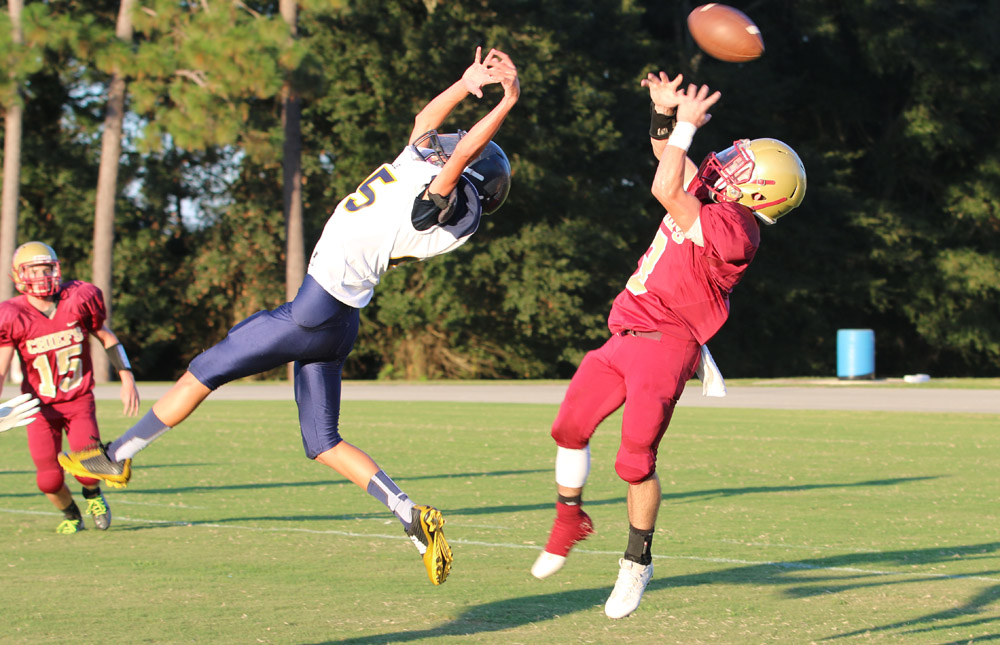
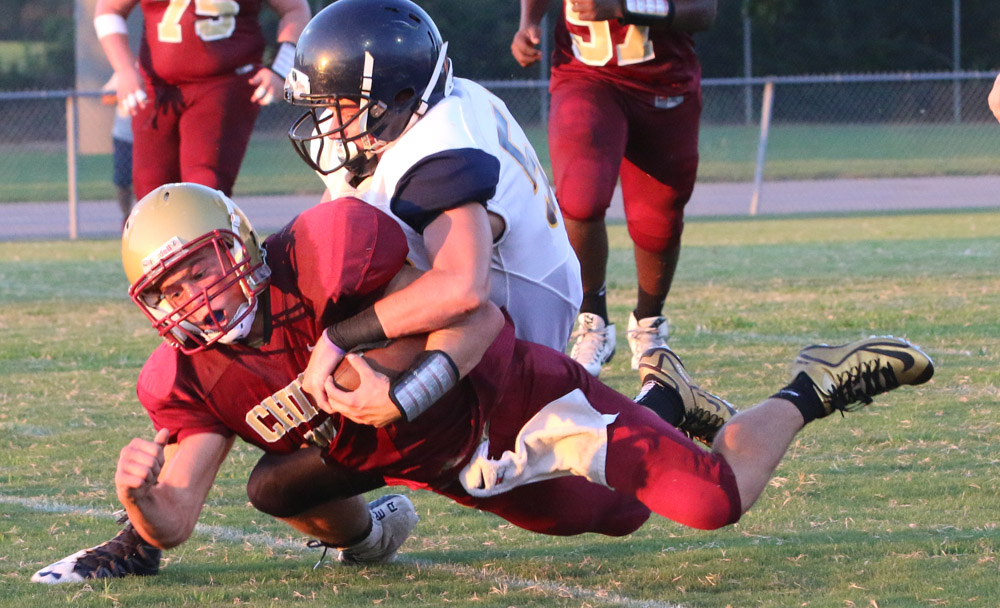
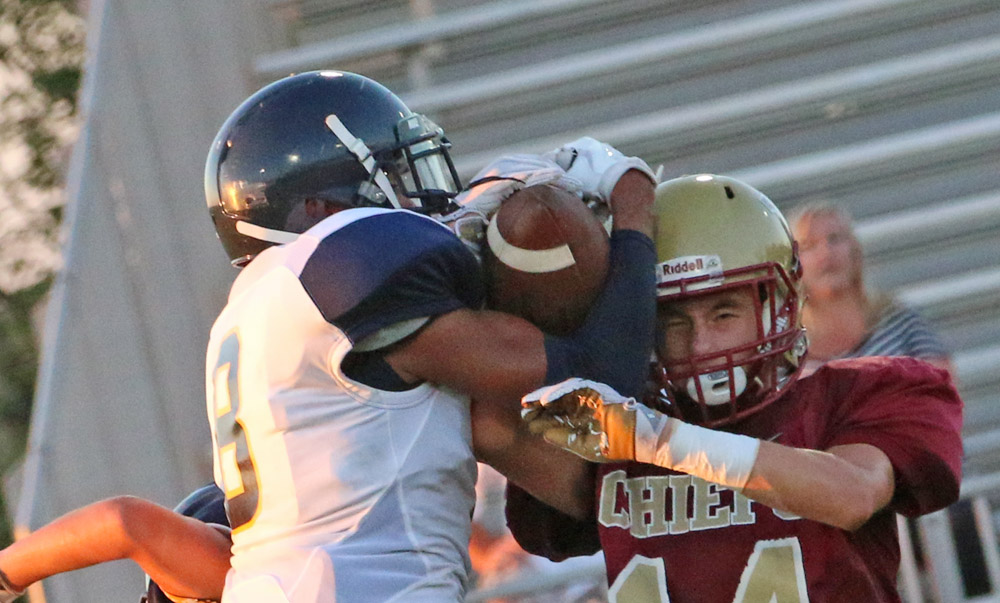
 The Northview High School Chiefs lost to Gulf Breeze 30-6 in junior varsity football action Thursday evening in Bratt. The JV Chiefs will next next host the West Florida Jaguars on September 22 at 6 p.m.
For a photo gallery, click here.
NorthEscambia.com photos, click to enlarge.
Trailer Park Disturbance Under Investigation
September 16, 2016
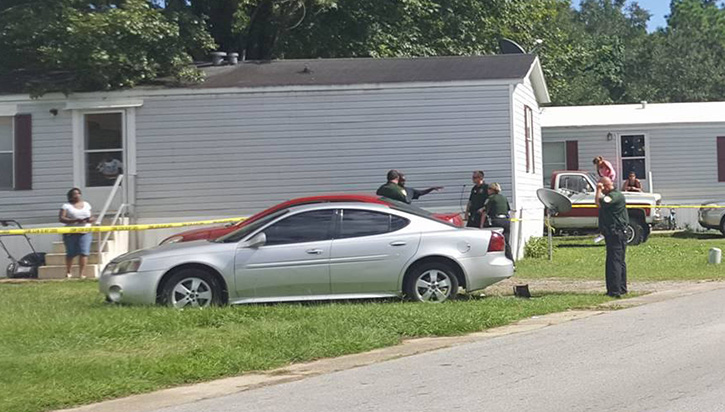
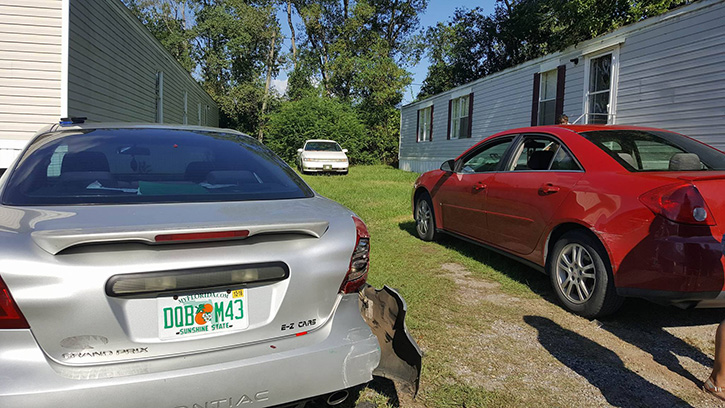
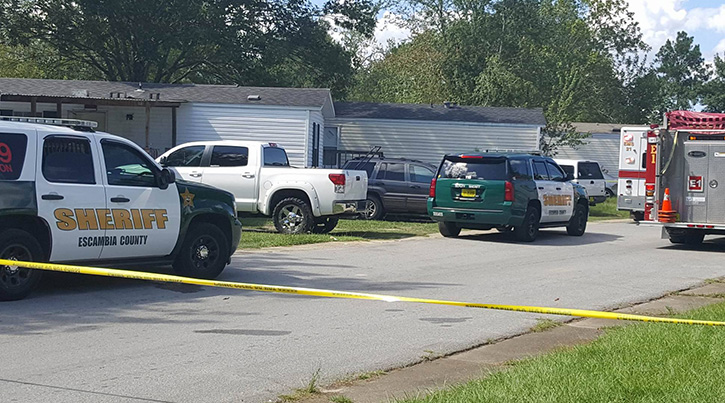
Multiple people were reportedly struck by a vehicle Thursday afternoon at the Silver Lake Mobile Home Park on Pine Forest Road, but Escambia County EMS reported only one person was taken to the hospital.
The incident happened shortly after 2 p.m. Escambia County Fire Rescue and EMS responded with one victim transport to West Florida Hospital. At least two vehicles were reported to have collided during a possible disturbance at the trailer park.
The incident remains under investigation by the Florida Highway Patrol and the Escambia County Sheriff’s Office. Further details have not yet been released.