

One Injured In Roberts Road Crash
April 25, 2017
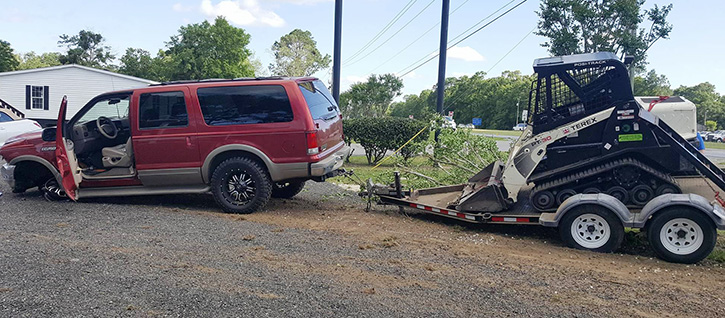
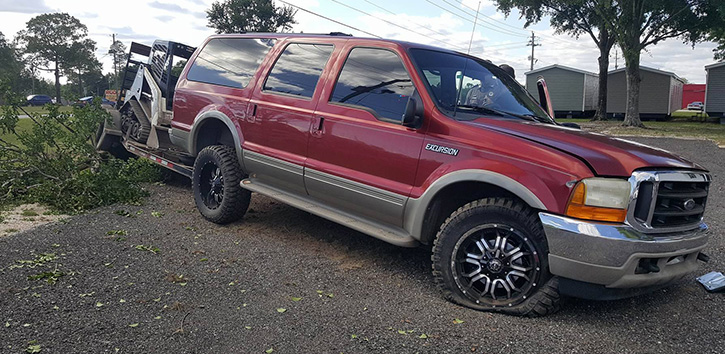
One person was transported to an area hospital with minor injuries following a two vehicle collision Monday afternoon on Highway 95A near East Roberts Road. The accident remains under investigation by the Florida Highway Patrol. Further details have not yet been released. NorthEscambia.com photos by Kristi Barbour, click to enlarge.
Northview, Jay Advance In District Tournament
April 25, 2017

SOFTBALL DISTRICT TOURNAMENT
Northview 2, Freeport 1
Tuesday: Northview vs. South Walton, 5 p.m. at Baker HS
Jay 11, Baker 1
Tuesday: Jay vs. Chipley, 7 p.m. at Baker HS
BASEBALL
Central 3, Northview 2
Baybears Beat Wahoos 2-1 In 17 Innings
April 25, 2017
Playing in its longest game in team history, the Pensacola Blue Wahoos fell, 2-1, Monday when Mobile BayBears third baseman Zach Houchins hit a walk-off single with the bases loaded and no outs.
 Mobile loaded the bases with no outs in the 17th inning at Hank Aaron Stadium when center fielder Zach Welz singled, right fielder Michael Hermosillo was hit by a pitch and DH Andrew Daniel reached first on a sacrifice bunt.
The BayBears have now won two straight games against Pensacola and leads the series between the arch-rivals, 2-1.
Pensacola reliever Jake Ehert took the loss and is 0-1 this season. It was a rare blown save for the Blue Wahoos bullpen, which leads the Southern League with 11 saves.
The Blue Wahoos had scored its first run in the 16th inning against Mobile BayBears to take a, 1-0, lead when right fielder Gabriel Guerrero lined a two-out single to left field to drive in shortstop Blake Trahan.
Guerrero was 0-6 Monday against his former team before driving in Trahan.
But Mobile came right back in the bottom of the inning to tie the game again, 1-1, when second baseman Hutton Moyer slapped a two-out grounder to right field to score Houchins. The 24-year-old Houchins was 3-8 in the game with a run scored and game-winning RBI.
The 17-inning game is the longest Pensacola has played in after going 16 innings in the 2016 and 2013 seasons.
The game went into extra innings with the score tied, 0-0. Pensacola had runners on first and third with two outs when Guerrero stepped to the plate and struck out on three pitches.
Both teams had plenty of chances to score. Pensacola was 3-12 with runners in scoring position and left 11 players on base. Meanwhile, Mobile was 2-17 with runners in scoring position and left 16 runners on base.
The loss wasted a second good start by Pensacola right-hander Keury Mella, who threw seven scoreless innings, allowed four hits, one walk and struck out four. He now has an 11-inning scoreless streak and lowered his ERA to 4.12 from a high of 10.80.
Mobile starter Grayson Long worked six scoreless innings and gave up just one hit, one walk and struck out four.
Pensacola still has the best record in the Southern League at 13-5 and leads second place Mobile, which is 9-9, by four games in the Southern Division.
No Serious Injuries In McBride Road Rollover Crash
April 24, 2017
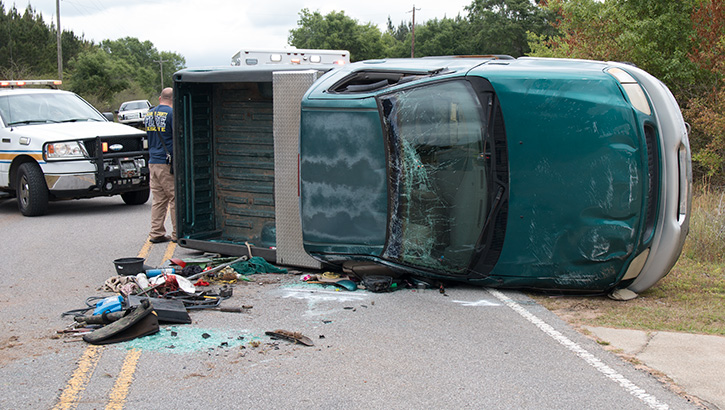
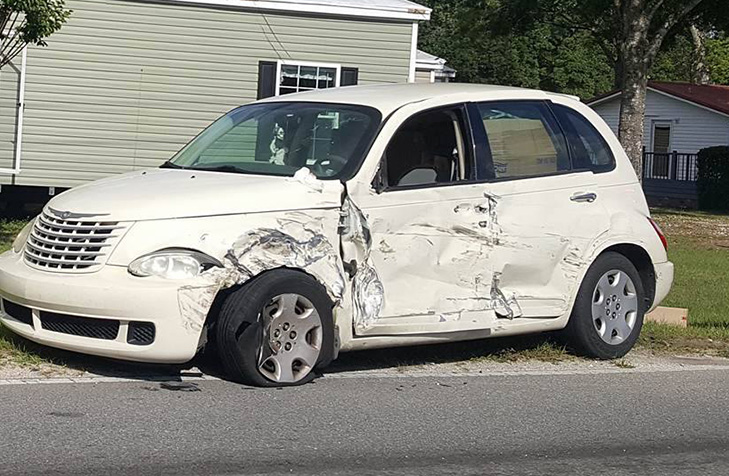
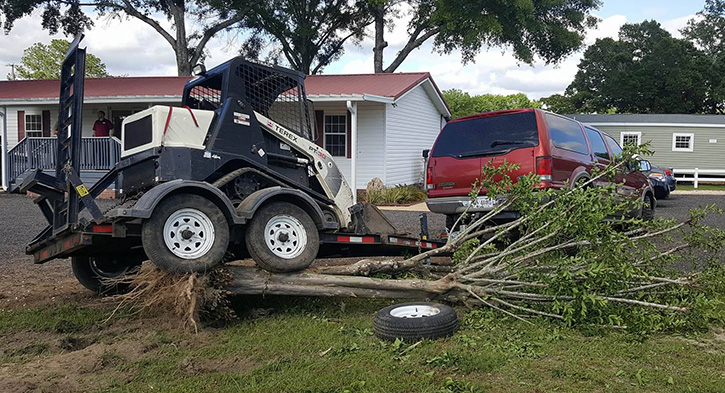
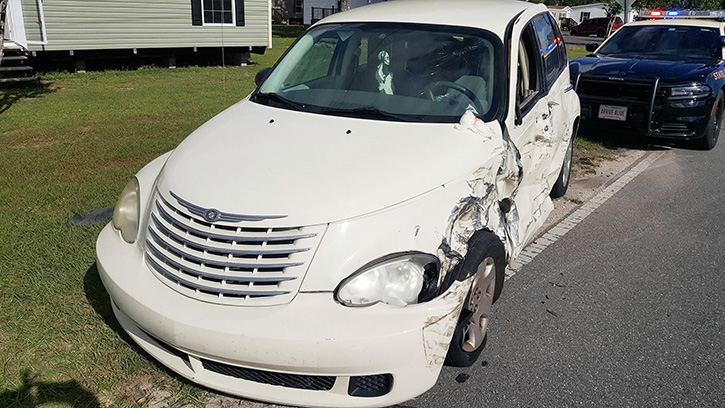
One person escaped serious injury in a single vehicle rollover crash Monday afternoon on McBride Road, between Bratt and Byrneville Roads, outside Century Monday afternoon. The roadway was temporarily blocked by the wreck. The accident remains under investigation by the Florida Highway Patrol. NorthEscambia.com photos, click to enlarge.

Cantonment Man Charged With Assault, Battery With Deadly Weapon
April 24, 2017
A Cantonment man is facing multiple felony charges after allegedly pointing a gun at and pistol whipping the father of his girlfriend’s children.
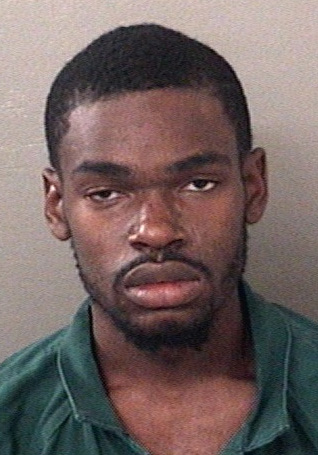
Cedric Terrell Gray, 21, was charged with aggravated assault with a deadly weapon, aggravated battery using a deadly weapon and battery.
 The victim told deputies the mother of his children and Gray, her current boyfriend, followed him to the Raceway gas station on Highway 29 at Muscogee Road in Cantonment. Gray exited his Nissan Murano, approached the driver’s side window, punched it and told him to get out of the car, according to an arrest report. The victim refused because his child was in the vehicle and told Gray to meet him at his mother’s house on Stinnis Street.
They both then drove to Stinnis Streeet. Gray exited the Murano with a firearm, pointed it at the victim and then took several swings at the victim with the gun, hitting him in the back of the head, causing a laceration. They then started to physically fight, the report states. The victim refused medical treatment at the scene.
Gray returned to the scene after deputies arrived, and he was placed under arrest without further incident. He was later released from the Escambia County Jail on a $25,000 bond.
The Nissan Murano was seized for forfeiture by the Escambia County Sheriff’s Office because it was used in the crime.
Molino Park Elementary Cafeteria Receives National Recognition
April 24, 2017
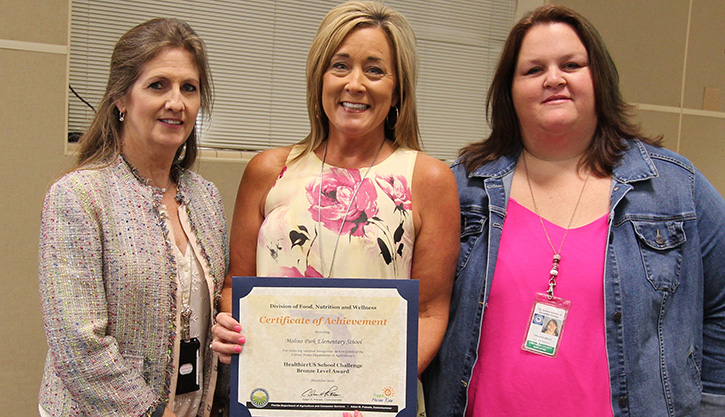
Molino Park Elementary School was one of six in Escambia County receiving national recognition as a recipient of the United State Department of Agriculture’s Healthier U.S. School Challenge with a Bronze Level Award. Other schools receiving the Smarter Lunchroom Awards in Escambia County were Holm Elementary, Ferry Pass Elementary, Myrtle Grove Elementary, O.J. Semmes Elementary and C.A. Weis Elementary. Accepting the award for Molino Park at a recent Escambia County School Board meeting were Principal Lisa Arnold, Assistant Principal Quinn Evans and Assistant Cafeteria Manager Ginger Smith. Photo for NorthEscambia.com, click to enlarge.
Escambia Government Meetings This Week
April 24, 2017
The following Escambia County government meetings are scheduled for this week:
Monday, April 24
District 1 Town Hall Meeting, Bellview Middle School, 6201 Mobile Highway, 6 p.m.
Tuesday, April 25
Board of County Commissioners Committee of the Whole, Ernie Lee Magaha Government Building, 221 Palafox Place, 9 a.m. (Agenda)
Environmental Enforcement Special Magistrate, 3363 West Park Place, 1:30 p.m. (Agenda)
Merit System Protection Board, 4th Floor Training Room, 221 Palafox Place, 5 p.m.
Oakfield Redevelopment Plan Meeting, Woodham Middle School, 150 East Burgess Road, 6 p.m. (One or more County Commissioners may attend the meeting)
Wednesday, April 26
Development Review Committee, 3363 West Park Place, 1 p.m.
Santa Rosa Island Authority Committee Meeting, 1 Via de Luna, Pensacola Beach, 5 p.m.
Thursday, April 27
Coffee with Commissioner Jeff Bergosh, District 1, McDonalds, 5 South Blue Angel Parkway, 6:30 a.m.

Escambia School District Holding Hiring Event For Teachers
April 24, 2017
Escambia County School District is holding a Spring Hiring Event on April 29, for those interested in becoming ECSD teachers for the 2017-2018 school year. To be invited by the ECSD Human Resources Department to attend and interview, all application requirements must be completed by April 25th.
 This event will feature all Escambia County School District schools with available positions and is designed for individuals who have their applications submitted and reviewed by the HR Certification Staff in time to be invited to interview the morning of Apruil 29. Those applicants will be contacted with additional details.
“This is a great way to introduce yourself to principals from multiple schools, interview for various positions, and see what the Escambia County School District has to offer for the upcoming school year,” said Dawn Ramirez, ECSD’s Coordinator of Teacher Certification. “Many of our schools will be filling positions during this event. Last year, 100 individuals were offered employment and were fully processed through Human Resources during a similar hiring event.”
Information about the application process can be found at the page, escambiaschools.net/teachecsd
Applicants must complete an online application and submit all required documents to participate in the hiring event. These documents typically include:
- Resume
- Official transcripts
- Verification of highly qualified status
- Out of state certificate, if applicable
- Florida subject area exam score report (Applicants may provide HR with the unofficial subject area exam results report and replace it with the official report when it arrives)
Deadline to submit your application and accompanying documents to be invited to attend the Spring Hiring Event, April 25, 2017.
“Once you have applied, your information will be vetted through our Certification Department for eligibility. Candidates who have been identified as eligible for employment will be contacted via email regarding the details of the hiring event, i.e. date, time, and location. This is a closed hiring event and only qualified and vetted individuals eligible for hire will be invited to participate,” said Ramirez.
Dawn Ramirez also explained that if someone can’t get the necessary documents by Apr. 25, they should still continue to work on getting everything submitted, because there are usually additional openings during the summer months.
“For example, we know that some college students will not have graduated in time for this round of interviews. We recommend they get their application started, that they request to have their final transcript sent to us by their university, and that they contact us as they near completion of the process,” Ramirez added.
The teachecsd page has additional information that is organized by situations:
· Education Degree Pending
· Certified in Florida
· Certified in Another State
· Teaching as a Second Career
· Substitute Teaching
Additional questions can be addressed to Jane Bell, Certification Specialist (for applicants with last names starting with A – K) 850-469-6252 or Bonnie Staples, Certification Specialist (for last names starting with L – Z) 850-469-6251.
FDOT: Weekly Traffic Alerts
April 24, 2017

Drivers will encounter traffic variations on the following state roads in Escambia County as crews perform construction and maintenance activities.
Escambia County:
· Interstate 10 (I-10)/ U.S. 29 Interchange Improvements Phase I – Alternating lane closures on I-10 near U.S. 29 (Exits 10A and 10B) from 8 p.m. to 6 a.m. Sunday through Thursday as crews perform barrier wall and clearing work. In addition, intermittent lane closures on the I-10 westbound to U.S. 29 north ramp (Exit 10B). Traffic will be detoured to Exit 10A for access U.S. 29.
· Perdido Key Drive (State Road (S.R.) 292) Resurfacing from the Alabama State line to the ICWW (Theo Baars Bridge) – Drivers may encounter lane shifts and periodic lane closures in short duration and length the week of Monday, April 24 as crews perform miscellaneous construction activities to complete the project.
· Fairfield Drive (S.R. 295) between Davis Highway and 12th Avenue Routine Maintenance- Eastbound outside lane closure from 8 p.m. to 5 a.m. Monday, April 24 through Friday, April 28 as crews clean and video ECUA sewer line.
· Bayou Boulevard (S.R. 296) from the mall entrance to Askew Drive Roadway Repairs- Intermittent lane closures in the westbound lane and right turn lane from 8 p.m. Monday, April 24 to 5 a.m. Tuesday, April 25 as crews make repairs to the asphalt.
· Nine Mile Road Turn Lane Construction south of Scenic Hills Drive – East and westbound lane closures from 8 p.m. to 5 a.m. Monday, April 24 through Thursday, April 28 as crews construct two eastbound, right turn lanes on the south side of Nine Mile Road, just east of Westside Drive and add a westbound, left turn lane across from Scenic Hills Drive.
· Nine Mile Road from Beulah Road to Pine Forest Road Widening – Alternating lane closures near Pine Cone Drive from 8 p.m. to 6 a.m. Tuesday, April 25 and Wednesday, April 26 as crews relocate utilities. Traffic flaggers will be on site to safely direct drivers through the work zone.
· I-10 over Perdido River Routine Bridge Inspection- Westbound lane restrictions from 9 a.m. to 2 p.m. Tuesday, April 25 and eastbound lane closures 9 a.m. to 2 p.m. Wednesday, April 26, as crews perform a routine inspection.
· I-10 Widening from Davis Highway to the Escambia Bay Bridge – Alternating lane closures on I-10 westbound, between Davis Highway (S.R.) 291/Exit 13) and Scenic Highway (U.S. 90/Exit 17), from 7 p.m. to 6:30 a.m. the week of Monday, April 23 as crews perform paving work.
· U.S. 29 (S.R. 95) Widening from I-10 to Nine Mile Road- Alternating lane closures continue from 8 p.m. to 6 a.m. on U.S. 29 between I-10 and 9 1/2 Mile Road and on Nine Mile Road near the U.S. 29/ Nine Mile Road overpass as crews perform drainage and bridge operations.
· Nine Mile Road (S.R. 10/U.S. 90A) Widening from Pine Forest Road to U.S. 29- Alternating lane closures continue on Untreiner Avenue as crews perform jack and bore operations.
Drivers are reminded to use caution, especially at night, when traveling through the construction zone, and to pay attention for workers and equipment entering and exiting the work area. All activities are weather dependent and may be delayed or rescheduled in the event of inclement weather.
Justices Approve Felon Rights, Gambling Initiatives
April 24, 2017
In a pair of high-profile issues that could go on the ballot next year, the Florida Supreme Court has approved proposed constitutional amendments that would restore felons’ voting rights and restrict the expansion of gambling in the state.
The court’s approval of the measures is a critical initial step, but supporters still face the task of collecting hundreds of thousands of petition signatures to get the proposals on the November 2018 ballot.
 Groups backing both initiatives quickly said they will move forward with collecting and submitting the required 766,200 signatures to reach the ballot. Supporters of the gambling measure had submitted 74,626 signatures as of last week, while backers of the felon-voting initiative had submitted 71,209, according to the state Division of Elections.
“We are pleased that the Supreme Court has approved the language of this amendment and we can move forward with our efforts to ensure that Florida voters — not gambling industry influence and deal making — are the ultimate authority when it comes to deciding whether or not to expand gambling in our state,” said John Sowinski, chairman of Voters In Charge, a group spearheading the gambling measure.
The Supreme Court does not rule on the merits of proposed constitutional amendments but looks at issues such as whether ballot titles and summaries would be clear to voters and whether initiatives comply with a single-subject requirement.
The court unanimously signed off on the proposal that would automatically restore the voting rights of many felons after they have completed the terms of their sentences. The amendment would not apply to people convicted of murder and felony sexual offenses.
The issue of restoring felon rights has long been controversial in Florida, with critics of the state’s process comparing it to post-Civil War Jim Crow policies designed to keep blacks from casting ballots. A system approved in 2011 by Gov. Rick Scott and the Cabinet required felons convicted of nonviolent crimes to wait a minimum of five years to have their rights restored, while others could wait up to 10 years before being eligible to apply.
Attorney General Pam Bondi and other supporters of the process have argued that the restoration of voting rights for felons should be earned and only after a sufficient waiting period.
But the American Civil Liberties Union of Florida, which is helping lead efforts to pass the ballot initiative next year, said the proposal would bring Florida in line with other states.
“Now the work of gathering signatures and mounting a successful campaign to change the Florida Constitution begins in earnest,” Kirk Bailey, ACLU of Florida political director, said in a prepared statement. “We look forward to Florida voters being given a chance to bring our state’s voting rules out of the 19th century and into the 21st.”
The Supreme Court was more divided about whether the gambling-related initiative should move forward. The measure was approved in a 4-2 decision, with Chief Justice Jorge Labarga and justices Barbara Pariente, Peggy Quince and Charles Canady in the majority and justices Ricky Polston and R. Fred Lewis dissenting. Justice Alan Lawson, who joined the court at end of December, did not take part.
If the amendment is approved in November 2018, it would give voters the “exclusive right to decide whether to authorize casino gambling” in the state. It would require voter approval of casino-style games.
Polston, in a dissenting opinion joined by Lewis, argued the proposal is misleading and violates the single-subject requirement. He contended, in part, that the proposal would not fully inform voters about its possible effects on a constitutional amendment passed in 2004 that authorized slot machines in Miami-Dade and Broward counties. Under that amendment, local voters also had to approve the slot machines.
“The initiative is placing voters in the position of deciding between a preference for controlling the expansion of full-fledged casino gambling and Florida’s current legal gaming landscape,” Polston wrote.
But the majority rejected arguments that it should block the measure from going on the ballot.
“The opponents primarily argue that the initiative should not be placed on the ballot because it is unclear whether, if passed, the amendment would apply retroactively and what effect, if any, the amendment would have on gambling that is currently legal in Florida — including gambling that was previously authorized by general law rather than by citizens’ initiative,” the majority wrote. “However, as the sponsor points out, the opponents’ arguments concern the ambiguous legal effect of the amendment’s text rather than the clarity of the ballot title and summary.”
by Jim Saunders, The News Service of Florida