

Cook Up A Christmas Gift Idea
December 23, 2015
by Dorothy Lee, Escambia Extension Agent
Christmas is a joyous season. It’s a time to remember friends and neighbors with small tokens of your love and appreciation.
Every holiday season is magical, but can also be a perplexing time. How do you choose gifts for your friends and loved ones that are unique, and sure to be cherished?
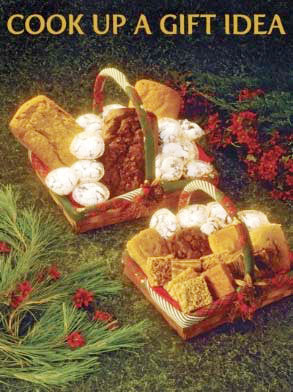 Remember Christmas when you were young? How the simplest projects—stringing lights, hanging icicles, baking cookies, gathering pine cones, or making ornaments for the tree—filled the season with fun and excitement. Bring back that special magic with your own holiday projects. These holiday projects are gifts from the heart.
If you have spent many hours in past seasons trying to find the answer to the perplexing question of what to give, perhaps this year you can find the answer in your own kitchen. Flavorful gifts you can create in an evening or two at home might be the just the solution. Most of us like to follow the pleasure of cooking with sharing the scrumptious results. So this holiday season prepare some delicious food gifts for friends and relatives.
A jar of homemade jam or jelly conveys a welcome sign of friendship to neighbors or coworkers. Besides being fun to make and share, oven-baked goods, snacks, and other savory items are attractive and often cost less than those that are store-bought. This is a gift that comes from the heart without breaking the bank. For a holiday touch, add a pretty ribbon or a note from a square of wrapping paper.
Fresh from the oven, a batch of pumpkin muffins or a loaf of whole grain bread will send warm holiday greeting to friends. Decorated with raisins and nuts, gingerbread men will appeal to anyone who fancies the spicy flavors of cinnamon, ginger, and cloves. When invited to festive dinners take along a basket filled with your own gift assortment of cookies packaged in inexpensive containers with recipes and a personalized message included. You will find these gifts easy to transport and the hostess is sure to appreciate the gesture.
Another gourmet goodies idea to consider is sharing a decorative jar or tin packed with flavorful popcorn or a nutritious trail mix. Top a decorative tray with herbed cheese rounds. Herbs offer a delicious alternative to salt. Herb seasoning mixes can be packaged in a decorative glass jar or bottle and tied with festive ribbon. Be sure to attach a label with instructions for serving and a recipe for making more.
When making these gourmet goodies, you might want to prepare an additional batch so you will have a last minute gift on hand. The additional jar of jam or jelly can make a special gift for last minute visitors. These gifts are seen as thoughtful and well-prepared when they are in reality a last minute thought.
For more information, contact Dorothy Lee, UF/IFAS Extension Escambia County at (850) 475-5230 or email dclee@ufl.edu.
Molino Library Patron Quilts Throws For Enon Nursing Home Residents
December 22, 2015

Molino Branch Library patron June Weaver quilted these throws for the residents of Enon Country Manor near Walnut Hill. They were to be delivered to Enon Country Manor residents along with their new West Florida Public Library cards. Courtesy photo for NorthEscambia.com, click to enlarge.

Santa Claus Visits Cantonment Senior Center (With Gallery)
December 21, 2015
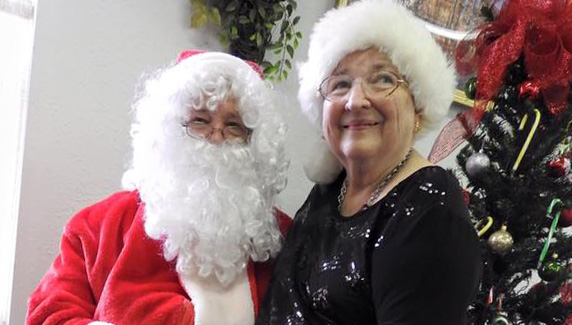
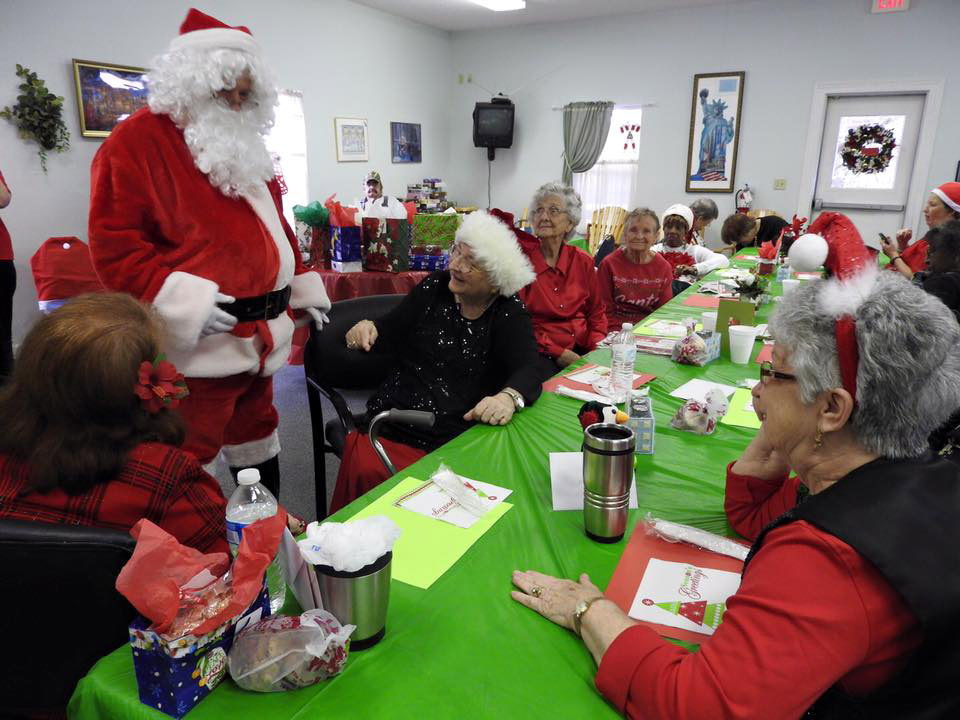
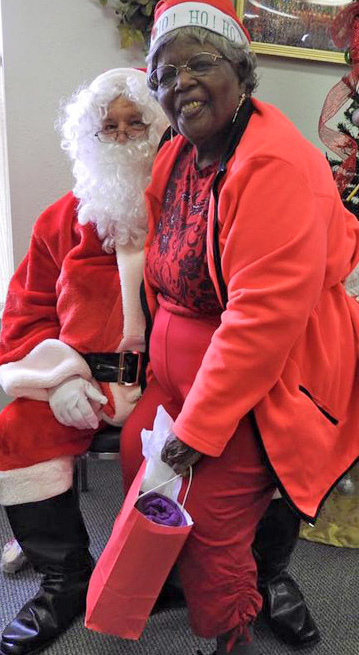 Santa, also known as Escambia County School Superintendent Malcolm Thomas, visited the Cantonment Senior Center on Wednesday. He passed out gifts and took photos with the seniors.
Pictured: Santa Claus visited the Cantonment Senior Center Wednesday. Courtesy photos for NorthEscambia.com, click to enlarge.
Big On Christmas Spirit: Century’s Boats And Floats Parade (With Gallery)
December 20, 2015
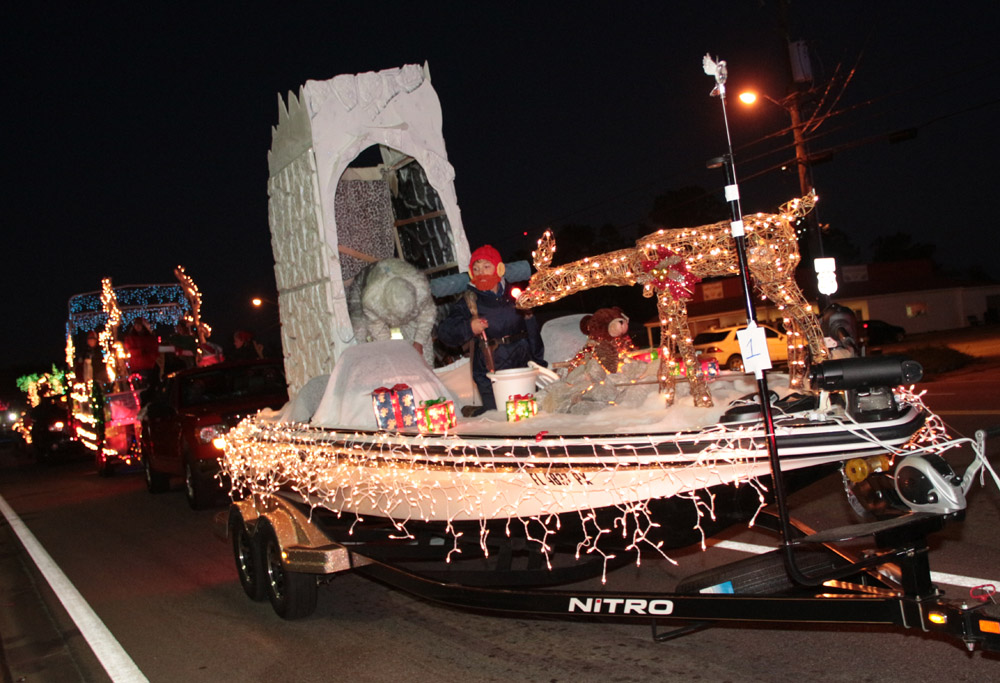
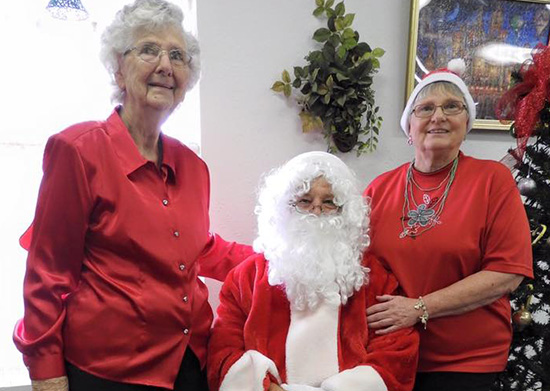
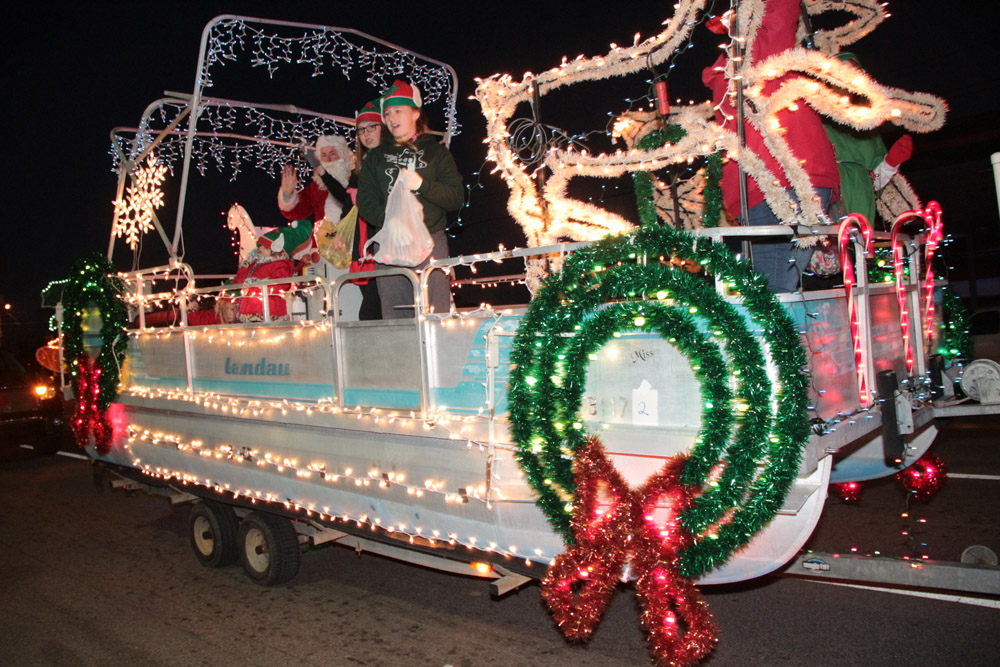
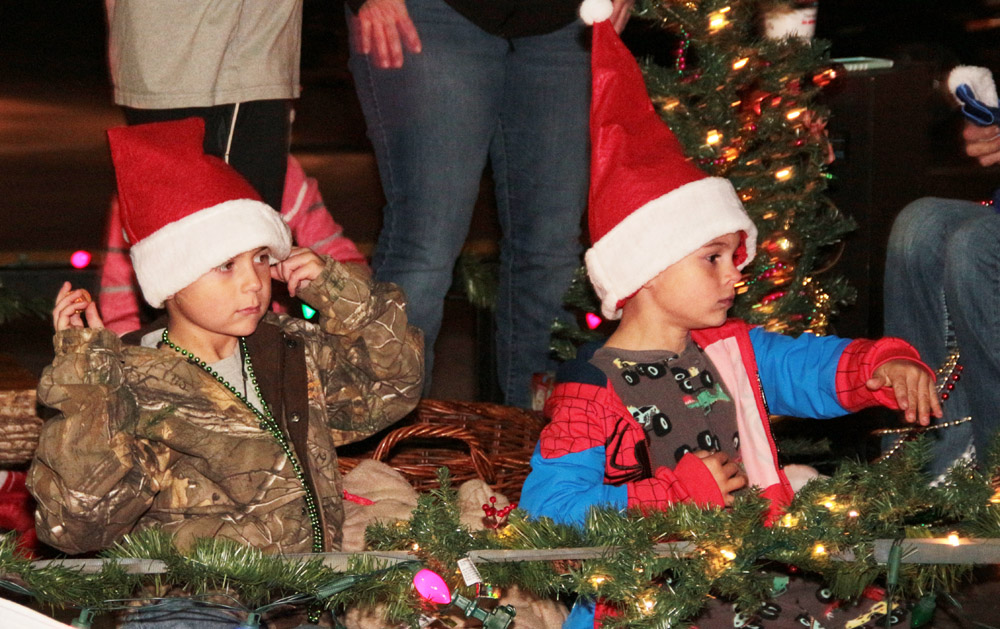 The Century Area Chamber of Commerce’s 3rd Annual Lighted Boats and Floats Parade may have been a little short in length Saturday night, but it was big on Christmas spirit. The parade traveled down North Century Boulevard from near the state line to Showalter Park where there was a Music in Park event and visits with Santa Claus.
NorthEscambia.com photos, click to enlarge.
Santa Trades Sleigh For Fire Truck To Visit Beulah Area Children
December 20, 2015
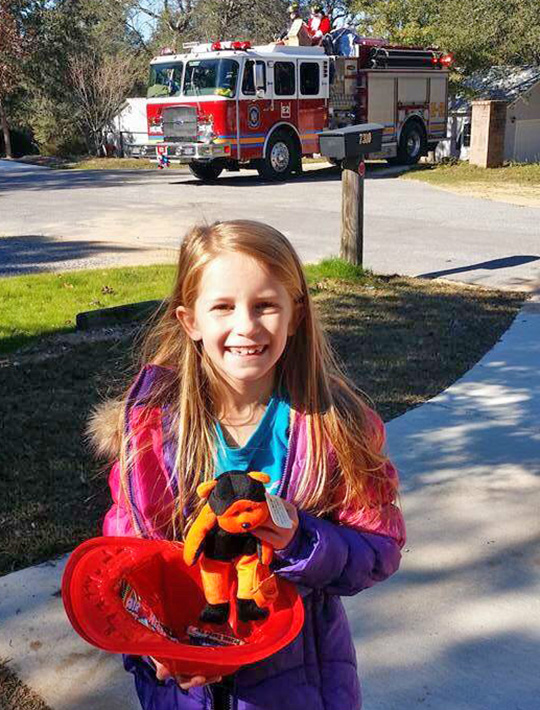
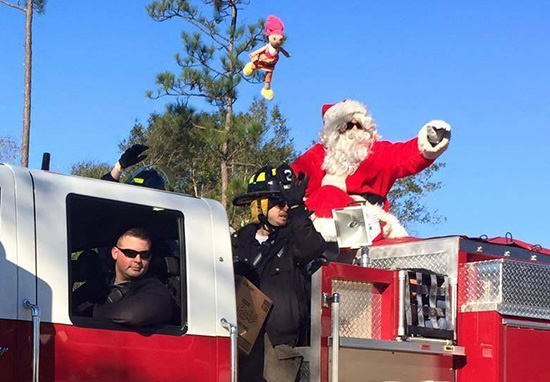
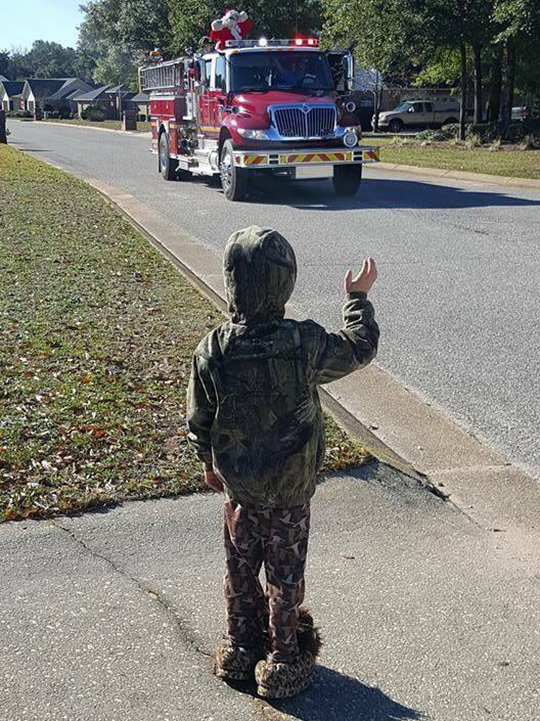
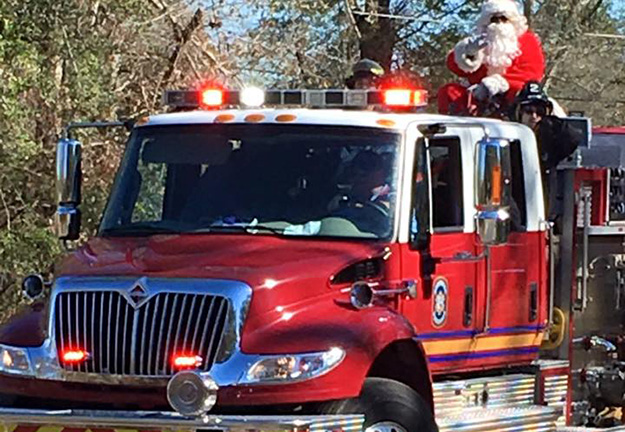
Santa make a special visit to numerous good boys and girls in the Beulah area Saturday. He traded in his sleigh for a fire engine for a ride along with the Beulah Station of Escambia Fire Rescue. Submitted photos for NorthEscambia.com, click to enlarge.
Ernest Ward Middle Holds Christmas Program (With Gallery)
December 19, 2015
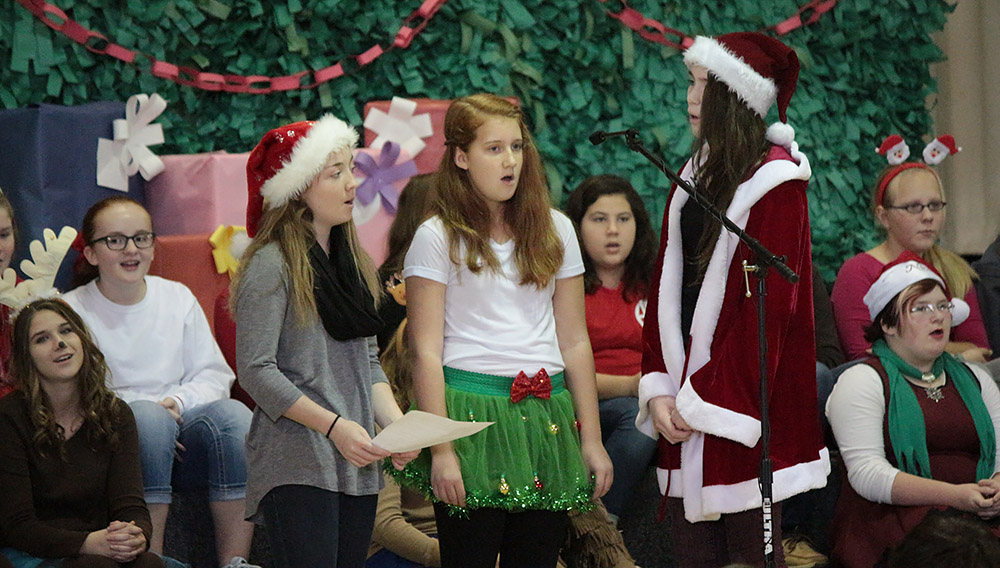
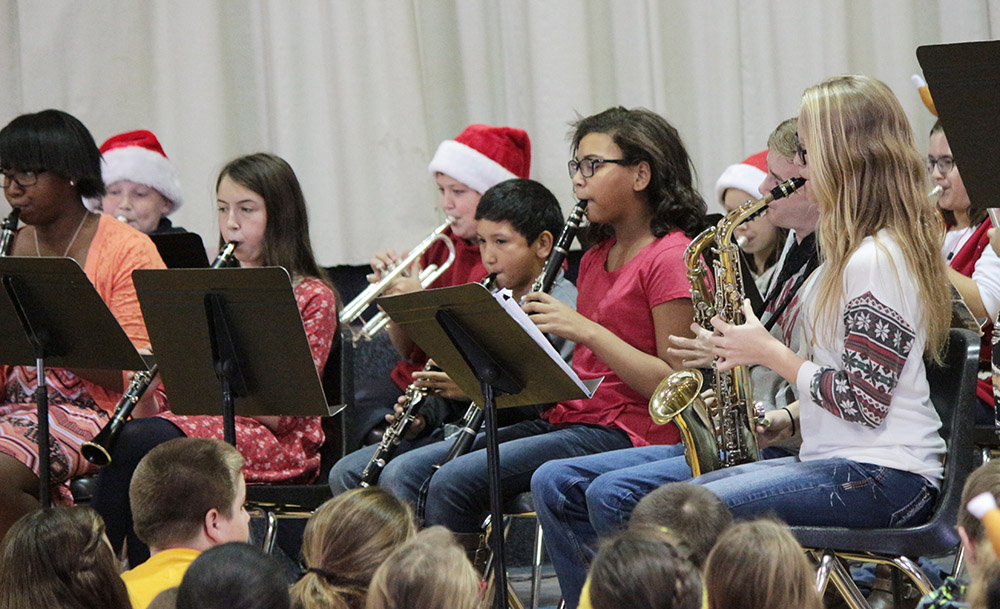
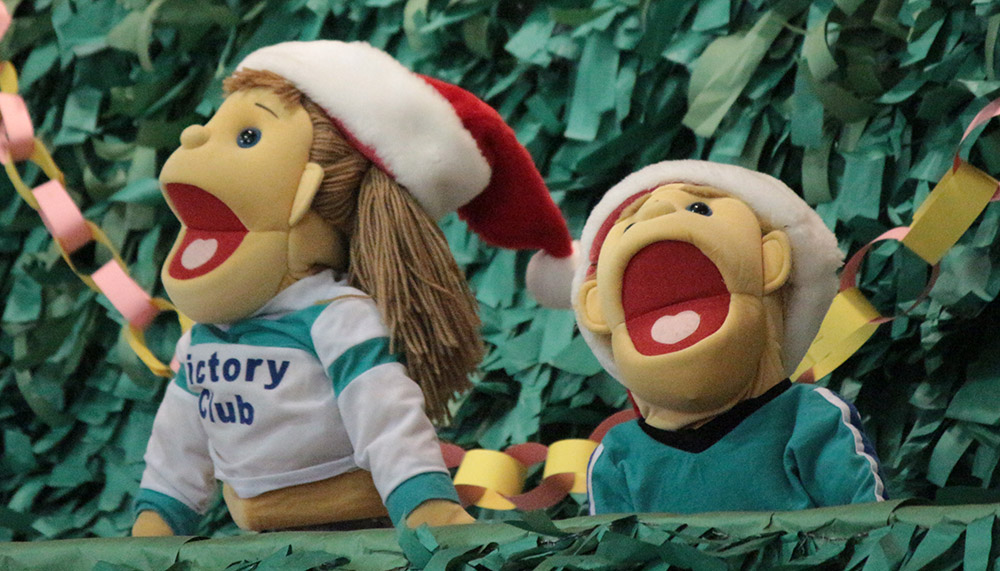 Ernest Ward Middle School held a Christmas program Friday morning, complete with a sing-along, puppets and a variety of traditional Christmas carols.
For a photo gallery click here.
NorthEscambia.com photos, click to enlarge.
Bratt Elementary First Graders Hop On Polar Express, Visit With Santa
December 19, 2015
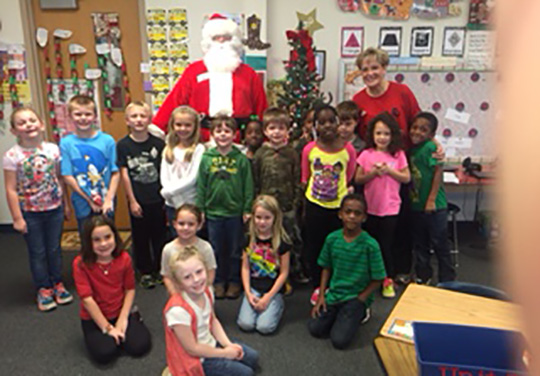
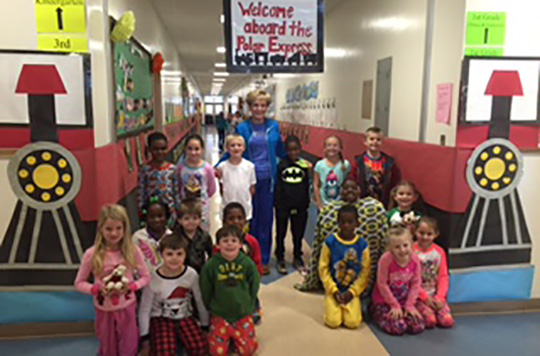
Mrs. Trice’s first grade class at Bratt Elementary School wrapper up their year with a visit from a Santa Claus and a trip aboard the Polar Express. Submitted photos for NorthEscambia.com, click to enlarge.
Escambia County Sheriff’s Office Hosts ‘Shop With A Cop’
December 19, 2015
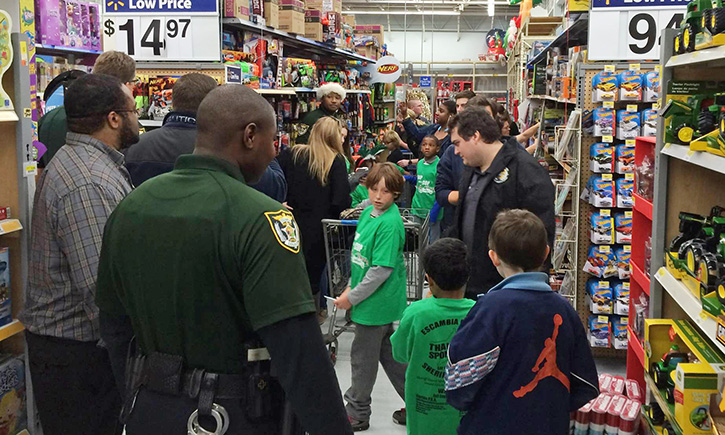
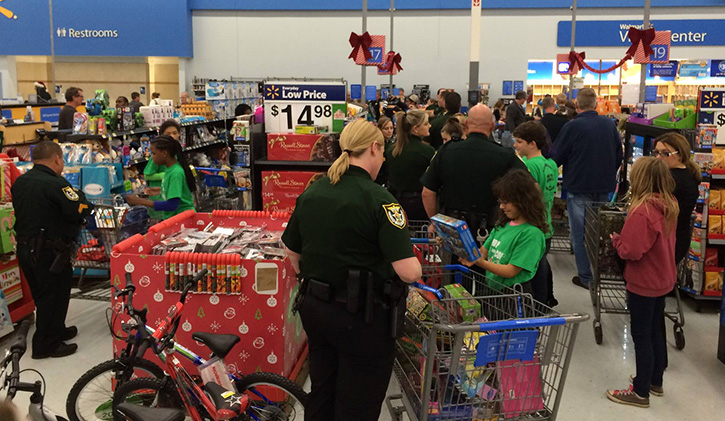
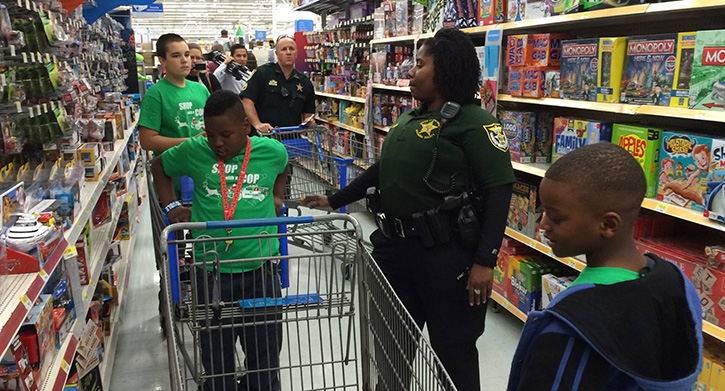
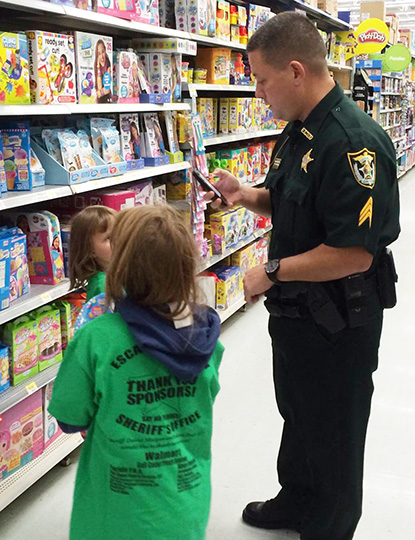 Dozens of Escambia County children had the chance to “Shop With a Cop” Friday afternoon.
Each child received $125 to shop with a deputy from the Escambia County Sheriff’s Office. They were able to gift shop for family members and themselves.
The children were selected with the help of the Escambia County School District, and the shopping trips were make possible thanks to donors.
Photos for NorthEscambia.com, click to enlarge.
Ransom Middle Jazz Band Jazzes Up School District Luncheon
December 18, 2015
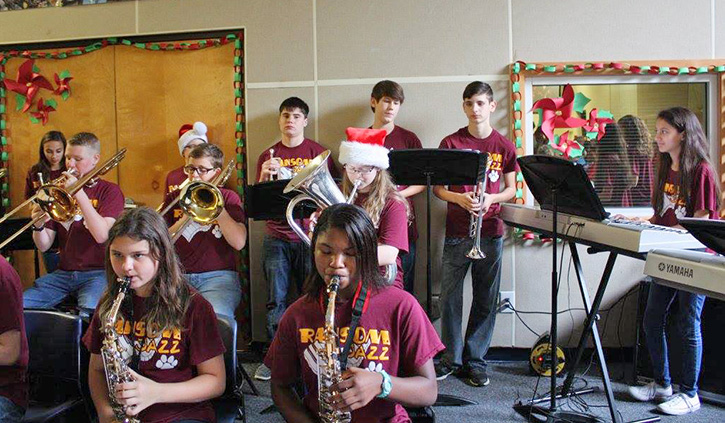
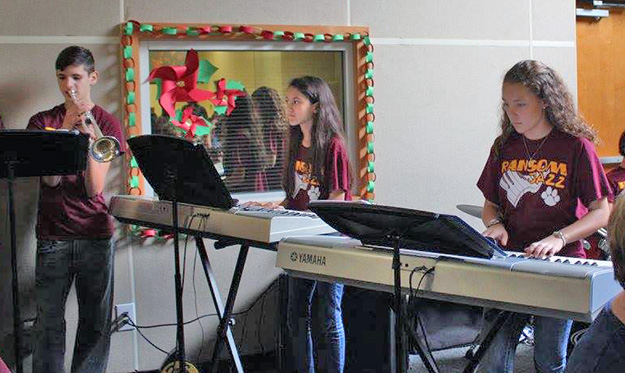
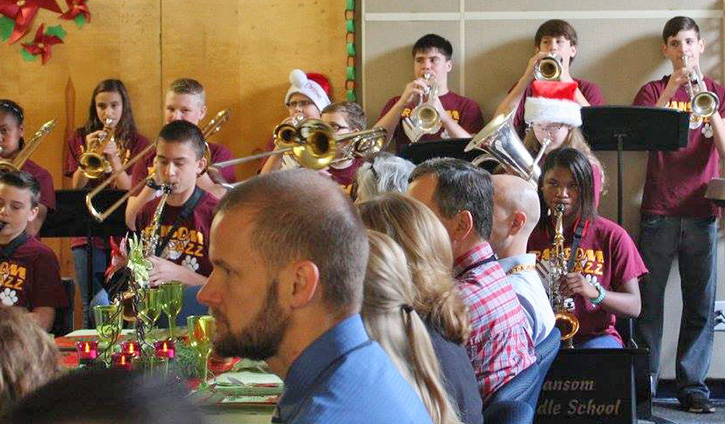
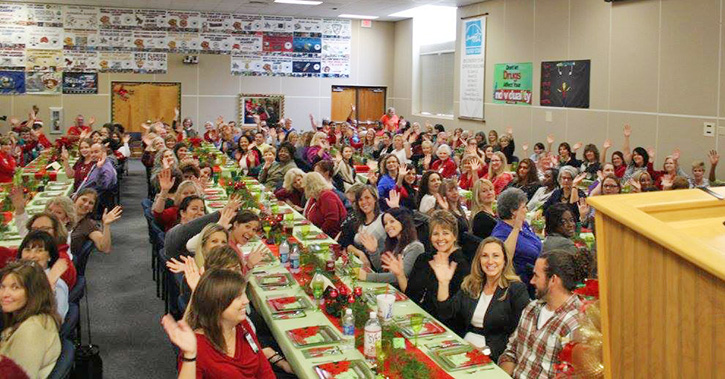
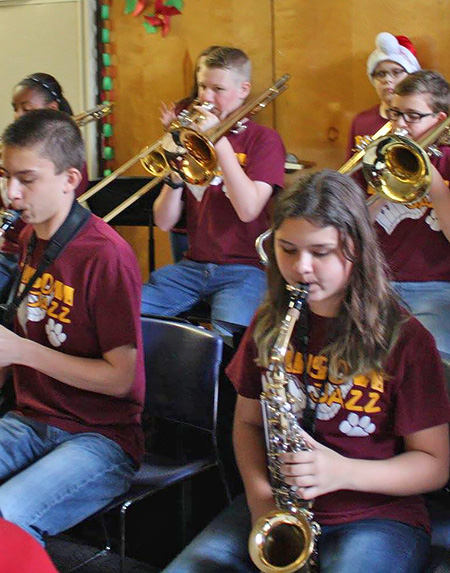 The Ransom Middle School Jazz Band set the mood Wednesday during a performance at the annual Escambia County School District’s Holiday Luncheon. The event was held at the J.E. Hall Center in Pensacola. Courtesy photos for NorthEscambia.com, click to enlarge.
Santa Visits Bratt Elementary
December 18, 2015
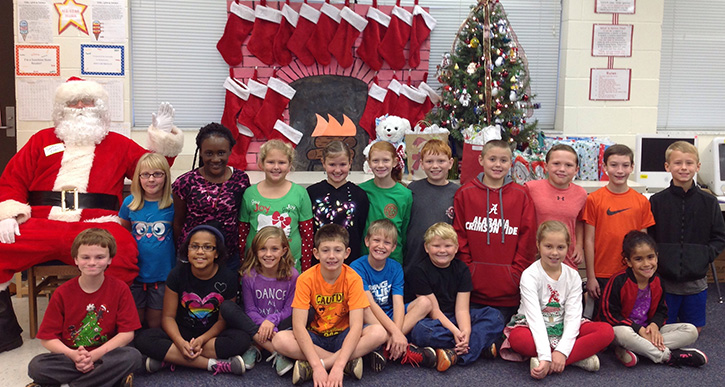
Fourth grade students in Mrs. Hammac’s class were among those at Bratt Elementary School that were visited by Santa Thursday. The class also enjoyed a special treat from stockings that had been hung by the chimney (with care). Submitted photos for NorthEscambia.com, click to enlarge.
