
Molino Boy Scouts Learn About Government With ECUA Board Member
October 18, 2017
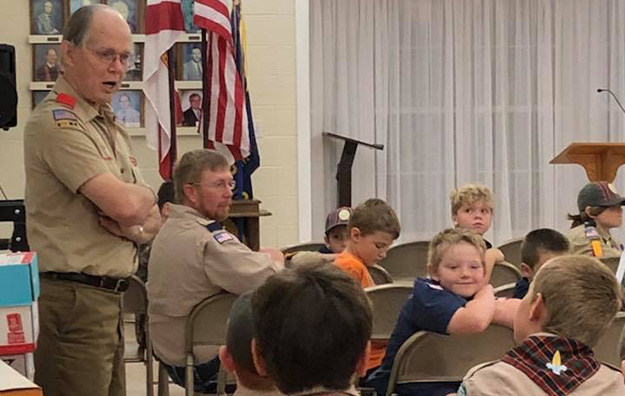
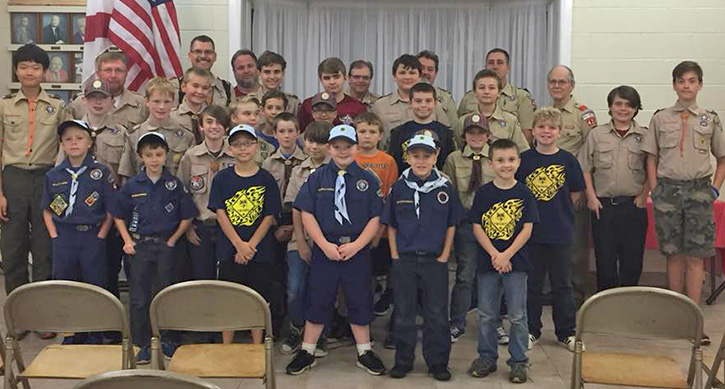
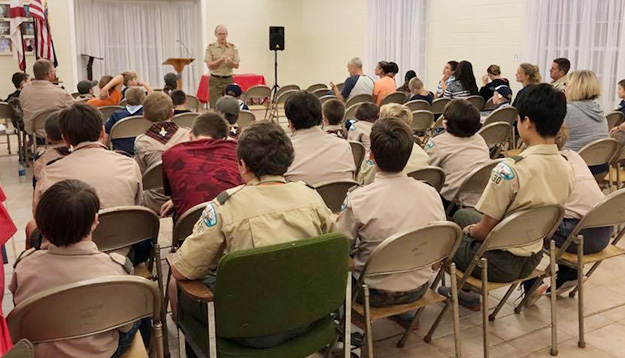
Boy and Cub Scout Troop 430 in Molino spent Tuesday evening with ECUA District 5 board member Larry Walker at Aldersgate United Methodist Church. Walker spoke about his role and about local government. Meeting and speaking to an elected official is part of Webelos advancement and the Boy Scout “Citizenship in the Community” merit badge. Photos for NorthEscambia.com, click to enlarge.
sc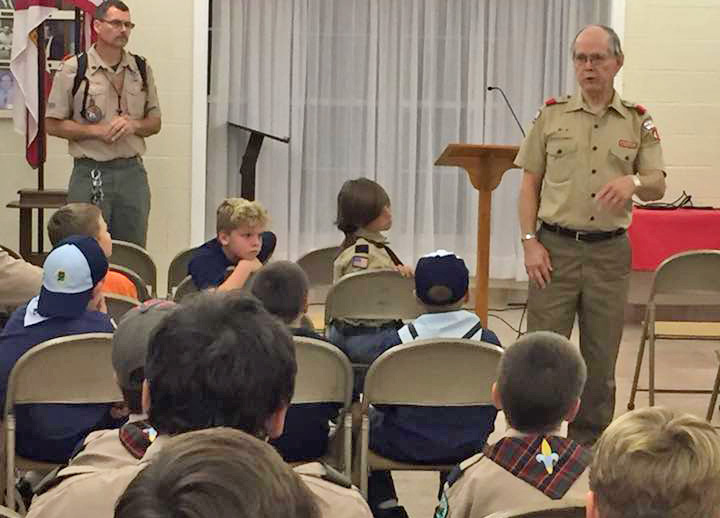
Century Fire Visits Camp Fire Learning Center
October 17, 2017
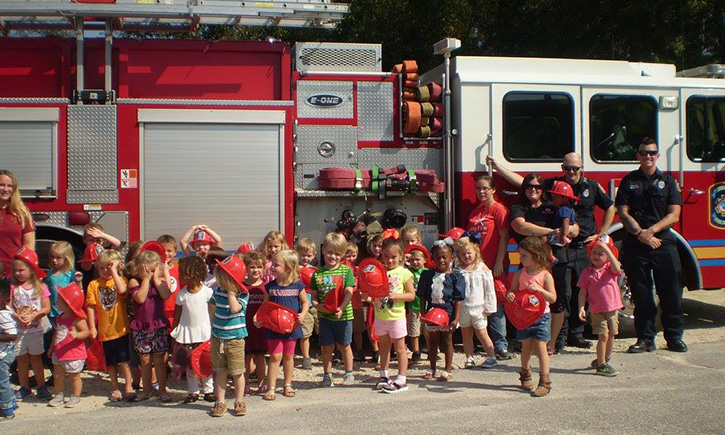
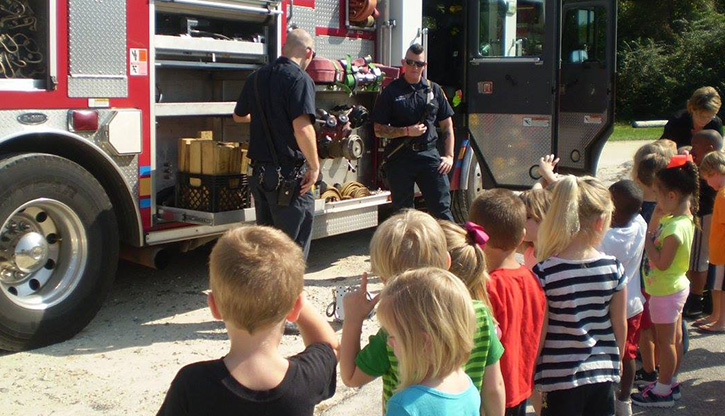
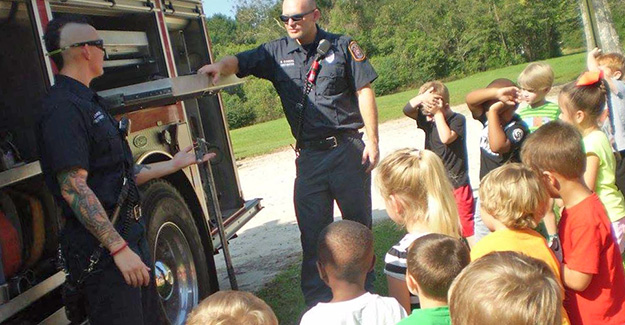
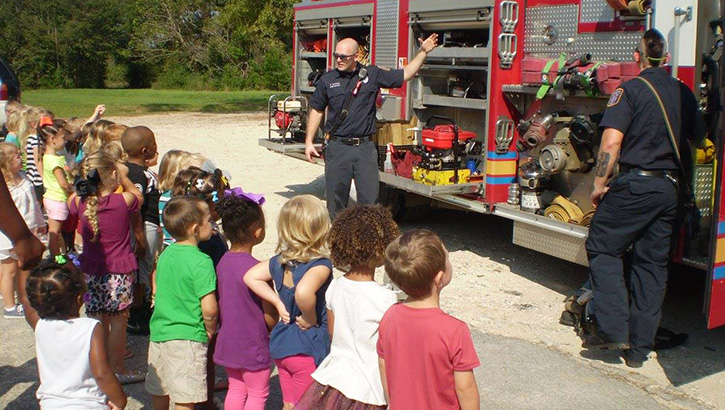
For National Fire Safety Week, crew members of Engine 519 of the Century Station of Escambia Fire Rescue visited and shared fire safety tips with the children of the Camp Fire Century Youth Learning Center. Courtesy photos for NorthEscambia.com, click to enlarge.
Taking A Bite Out Of Hunger: Peanut Butter Drive Underway
October 16, 2017
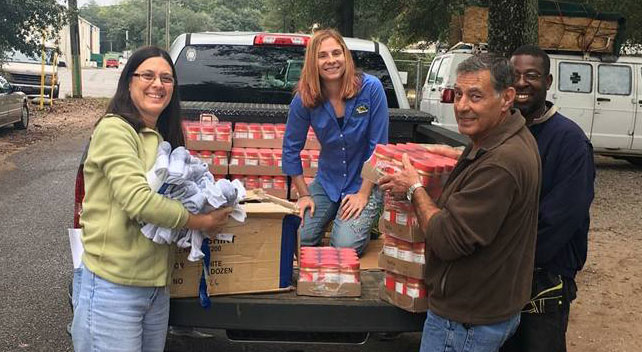
The UF/IFAS Extension Annual Peanut Butter Challenge is in full swing to help feed the hungry.
In an effort to boost the supply of the most requested food pantry item, peanut butter, UF IFAS Escambia County Extension is teaming up again with the Florida Peanut Producers Association to help “Take a Bite out of Hunger” by participating in a local peanut butter drive.
Residents are asked to help meet the challenge of collecting the versatile food by donating unopened jars of peanut butter at one of five locations now through November 22. All peanut butter collected will be donated to local food pantries in December.
Drop-off locations:
- Escambia County Administration, 221 Palafox Place, 4th Floor
- Escambia County Extension Office, 3740 Stefani Road
- Escambia County Farm Bureau,153 Highway 97, Molino
- Escambia County Public Safety, 6575 North W Street
- Gilmore Services, 31 East Fairfield Drive
Since 2012, the volunteers and UF/IFAS Extension faculty have collected jars of peanut butter from residents, volunteer groups and businesses in 16 Northwest Florida counties. Last year, UF/IFAS Extension county offices received 3,236 jars of peanut butter, said Libbie Johnson, agricultural agent for UF/IFAS Extension Escambia County and co-organizer of the challenge.
In addition to these donations, the Florida Peanut Producers Association also contributes, supplying more than 3,000 jars each challenge, Johnson said. They hope to surpass that total this year, and citizens of Escambia County are asked to help.
“The Peanut Butter Challenge not only raises awareness about the important contribution of North Florida’s peanut growers to the state peanut industry, but also helps provide a healthy, locally produced product to food-insecure families in northwest Florida,” Johnson said.
VFW Essay Contest Winners Named
October 16, 2017
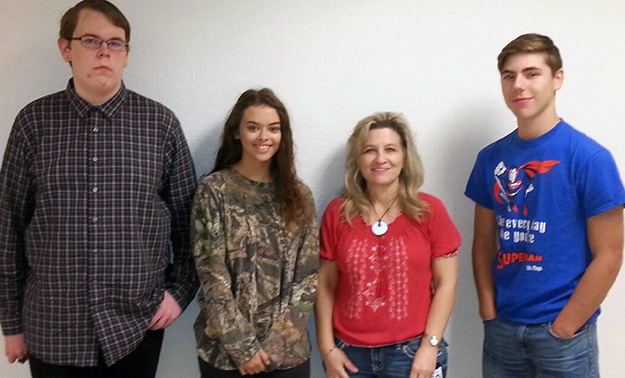
Junior Zachary Prosser has been named Northview High School’s winner of the Atmore VFW Post 7016 Voice of Democracy essay contest.
Second and third place winners of the “American History: Our Hope for the Future” themed contest were sophomores Marissa Rothrock and Will Beach. Other students who made it into the Top Seven were Gracen Brook, Abigayil Mascaro, Nicholas Trump, and Kayla McKillion. Sophomore English teacher Vicki Baggett organizes the event for Northview, and selected teachers grade the essays. Prosser will now advance to the district level of competition against other high school students.
Pictured top: Zachary Prosser, Marissa Rothrock, teacher Vicki Baggett and Will Beach. Photo for NorthEscambia.com, click to enlarge.
Escambia County’s Tinker Named State 4-H Parliamentarian
October 16, 2017
Escambia County 4-H member Michelle Tinker was appointed the Florida 4-H state parliamentarian.
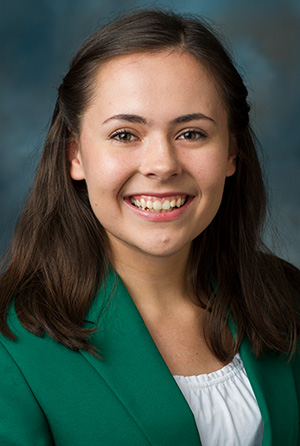 Tinker has served in 4-H for many years at the local, district and state levels. She has complete projects in many areas, including swine, leadership, citizenship and public speaking. She currently serves as vice president of teh Escambia County 4-H Council, has served as the group’s president and was vice president of the District 1 4-H Council. She also served as the Florida 4-H State Council Reporter in 2016-2017.
Michelle has honed her skill at public speaking in years of 4-H. At this year’s 4-H University, she placed first, along with her sister Danielle Tinker, in the state plants and gardening team demonstration competition. Michelle was also selected to represent Florida 4-H at National 4-H Conference in Washington D.C. next April.
Michelle Tinker is the daughter of Bill and Angela Tinker.
Pine Meadow Elementary Holds Fall Carnival
October 15, 2017
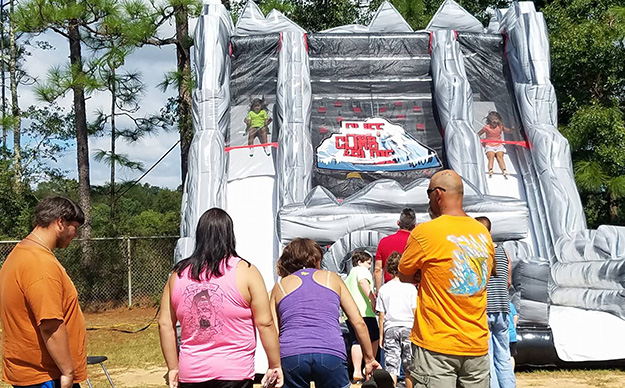
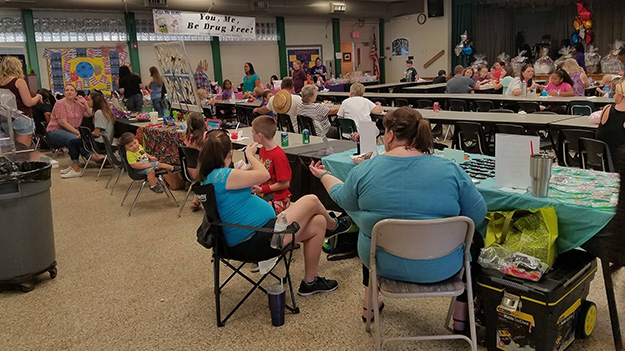
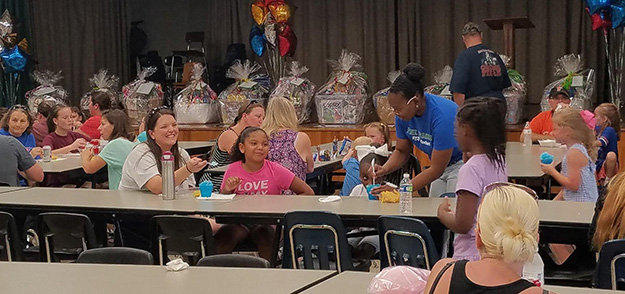
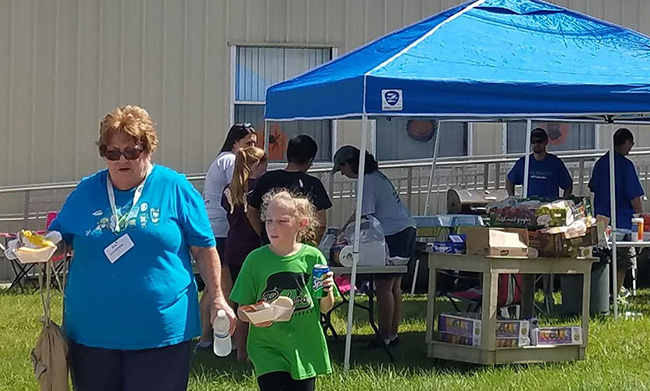
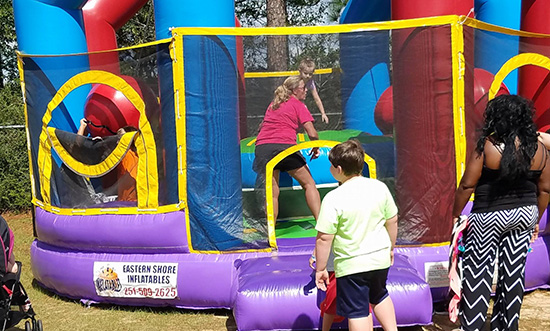
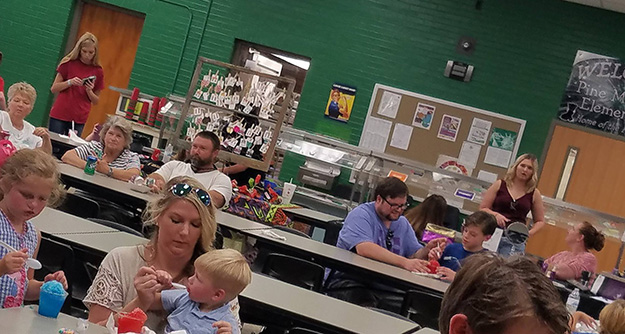
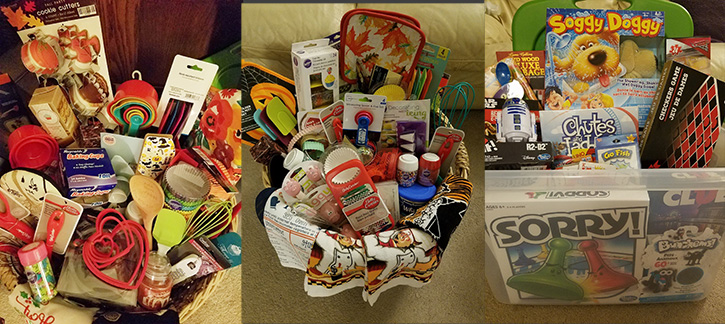
The annual Pine Meadow Elementary School Carnival was held Saturday at the school on Omar Avenue. The day featured plenty of games and activities, food, fun and a themed basket auction Courtesy photos for NorthEscambia.com, click to enlarge.
Fields of Faith: Student Led Community Worship Wednesday At Northview
October 15, 2017
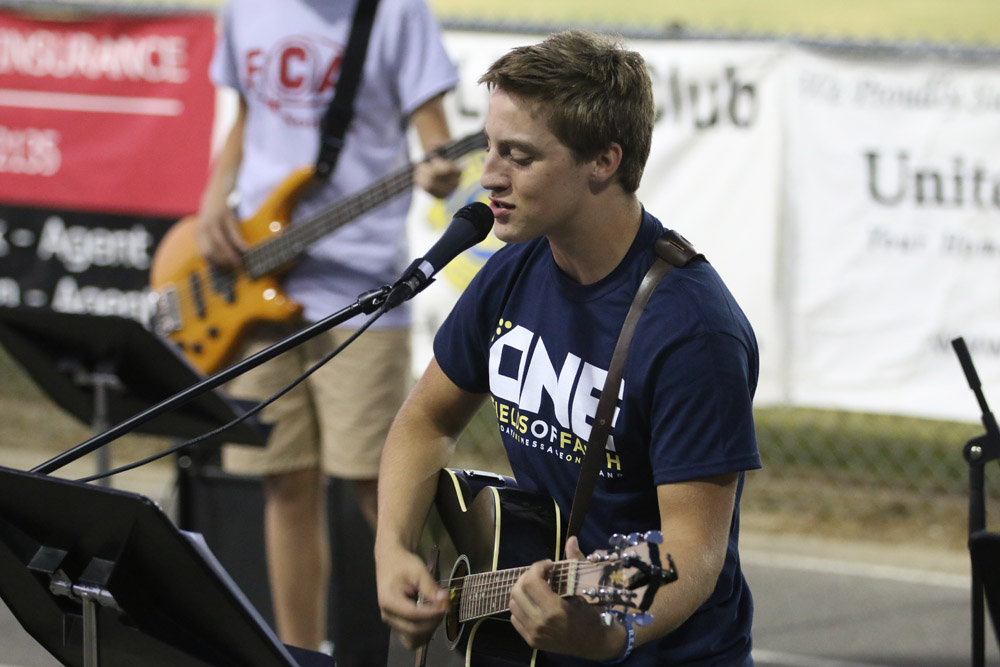
Northview High School’s Fellowship of Christian Athletes will host their 4th annual Fields of Faith at Northview High School Wednesday, October 18, at 6:00 p.m. on the football field.
Admission is free; the public is encouraged to attend.
NorthEscambia.com file photos, click to enlarge.
Celeste North Named NHS Homecoming Queen (With Photo Gallery)
October 14, 2017

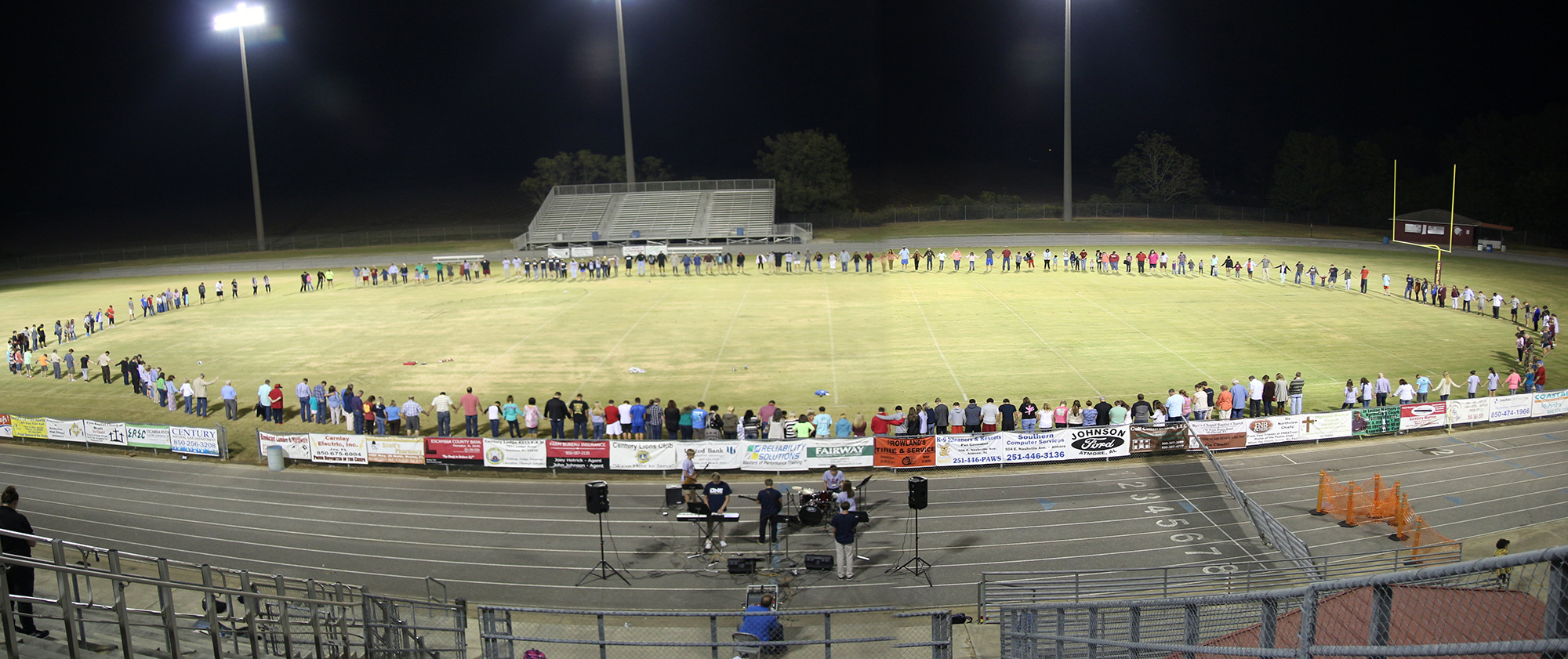
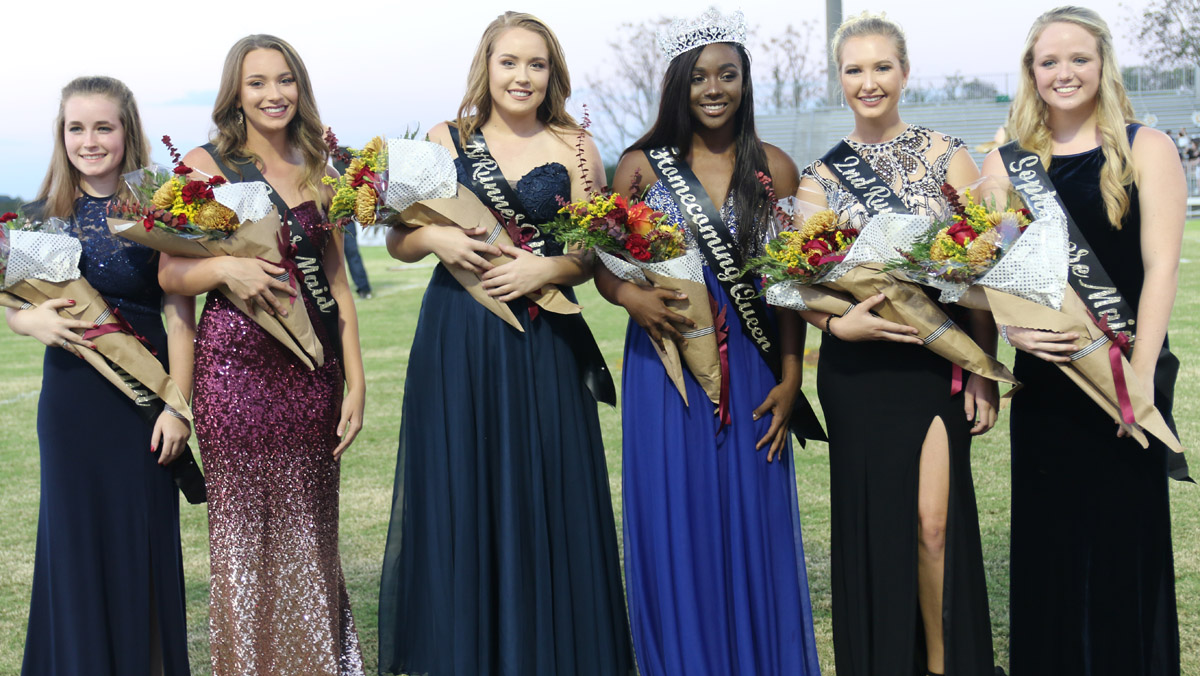
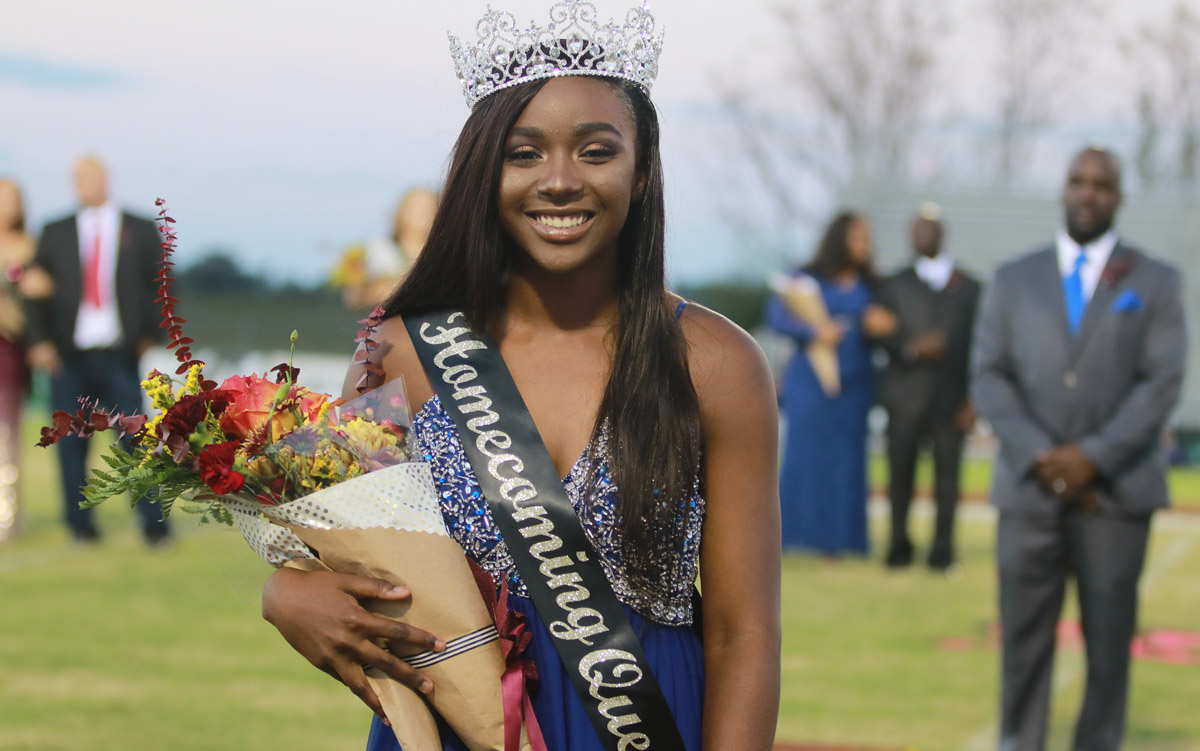
Celeste North was named Northview High School’s homecoming queen for 2017 Friday night.
Pictured below are Freshman Maid Franki Daw, Junior Maid Madison Sherouse, First Runner-up Anna Nelson, Homecoming Queen Celeste North, Second Runner-up Bailee Hinote and Sophomore Maid Chloe Smith.
For homecoming parade info, click here.
For homecoming game info, click here.
NorthEscambia.com photos, click to enlarge.
Pine Meadow Elementary Carnival, Basket Auction Is Saturday
October 13, 2017
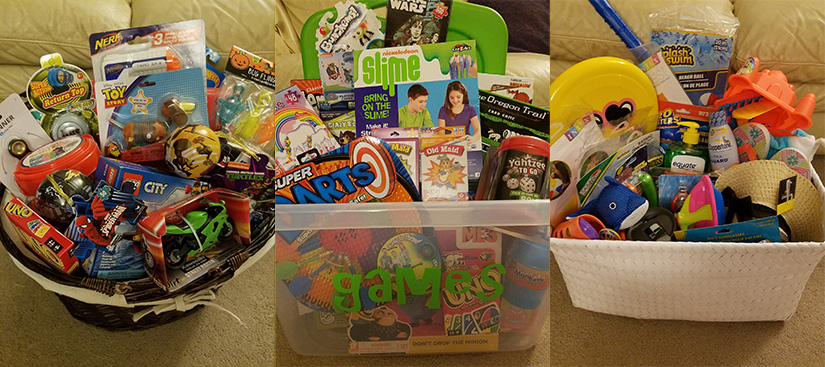
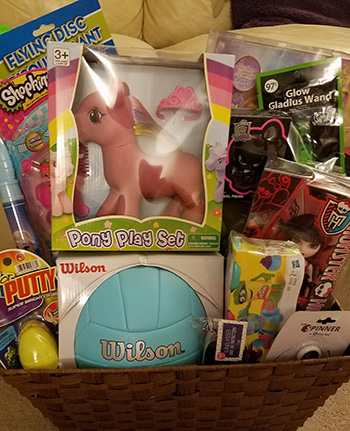 The annual Pine Meadow Elementary School Carnival will be held Saturday from 11 a.m. until 2 p.m. at the school, 10001 Omar Avenue. Pictured are just few of the baskets available in the basket auction. Courtesy photos for NorthEscambia.com, click to enlarge.
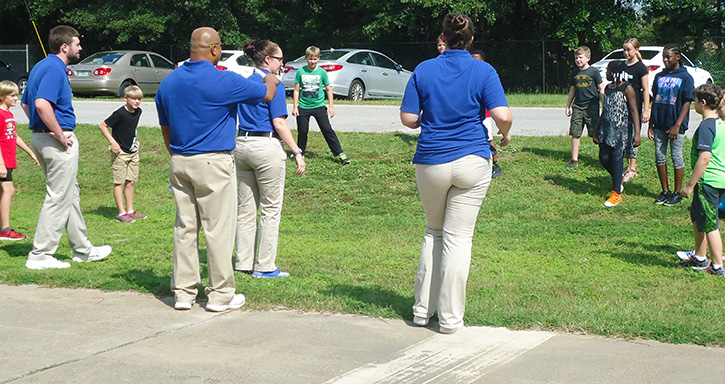
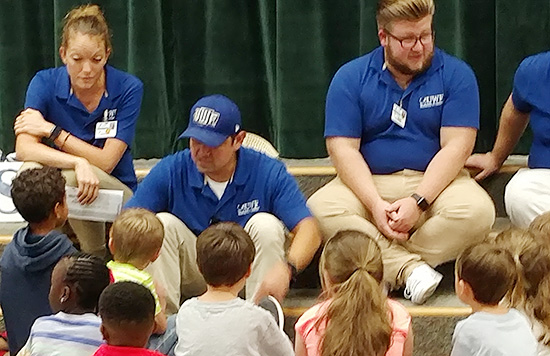
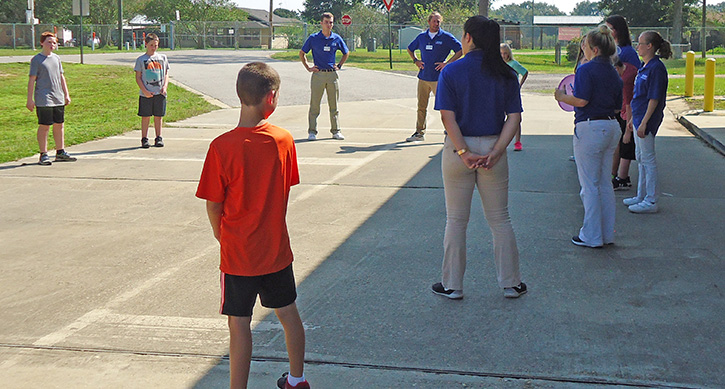
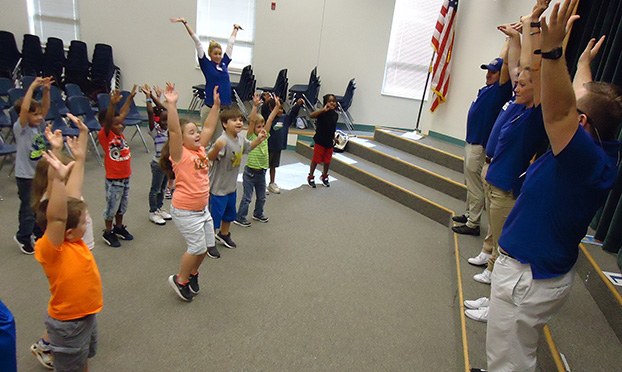
Bratt Elementary Kids Learn Sun Safety From UWF Nursing Students
October 12, 2017
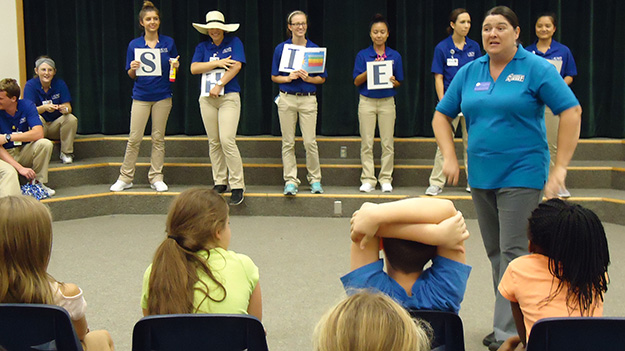
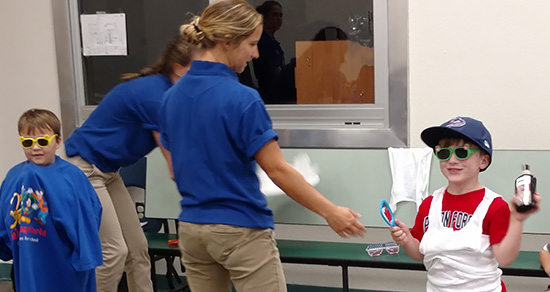
Students at Bratt Elementary School recently learned about sun healthy behaviors.
Bratt was one of four schools in Escambia County selected to be part of the University of West Florida Usha Kundu, MD College of Health’s Ago Shield initiative.
Argo Shield’s goad is to provide proactive sun safety education on proper skin protection from the sun and increase awareness among K-8 children on how to Shield the Skin You’re In.
Fifty nursing school students and faculty from UWF taught sun safety and healthy behaviors to students in grades K-5. Each child took home an Argo Shield tote bag that included a sunscreen sample and an education magnet for home.
Photos for NorthEscambia.com, click to enlarge.