

Ransom Middle School Names Students Of The Month
March 6, 2020
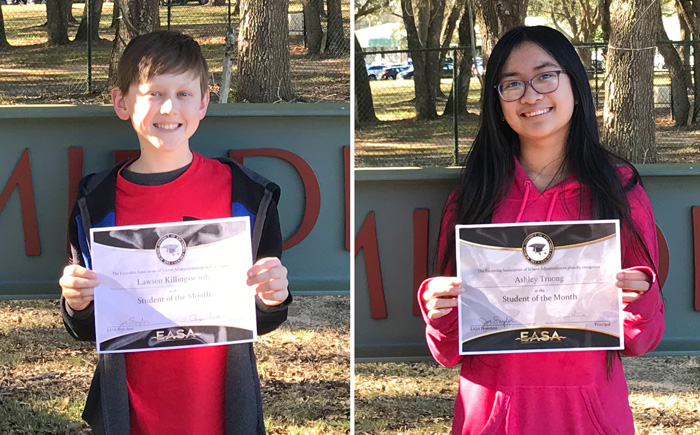
Ransom Middle School has named Students of the Month for February. They are Lawson Killingsworth (pictured left) and Ashley Truong. Photos for NorthEscambia.com, click to enlarge.
Tate High School Names Students Of The Month
March 5, 2020
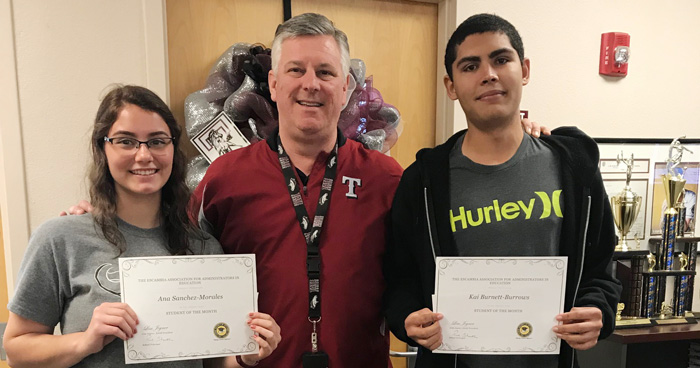
Tate High School recently named their Students of the Month for January. They are Ana Sanchez-Morales and Kai Burnett-Burrows. Photo for NorthEscambia.com, click to enlarge.
Bratt Elementary Names Students Of The Month For February
March 4, 2020
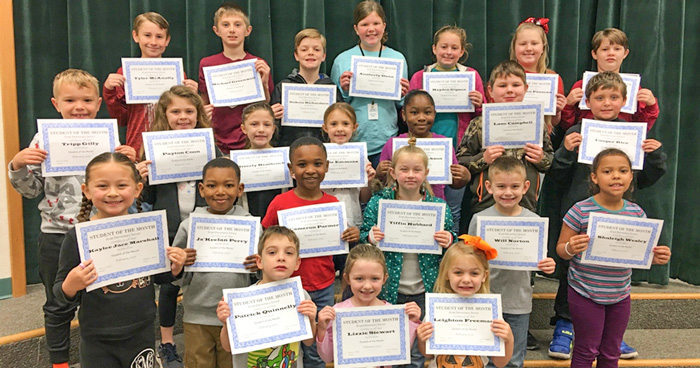
Bratt Elementary School has named Students of the Month for February. They are:
Pre-K
Leighton Freeman
Lizzie Stewart
Kindergarten
Kaylee Jace Marshall
Patrick Quinnlelly
Ja’Keelan Perry
Will Norton
1st Grade
Shaleigh Wesley
Cameron Parmer
Tiffin Hubbard
Bentley Kirkland
2nd Grade
Tripp Gilly
Cooper Rice
Riverly Heathcock
Carrie Emmons
3rd Grade
Azyiah Jackson
Lane Campbell
James Kerns
Payton Coon
Elynne Johnson
4th Grade
Jacob Dove
Madalynn Pittman
Tyler McAnally
Michael Greenwell
5th Grade
Dakota Richardson
Annberly Dunn
Hayden Gipson
Photo for NorthEscambia.com, click to enlarge.
UWF Dance Marathon Raises Record Amount For Children’s Miracle Network
March 3, 2020
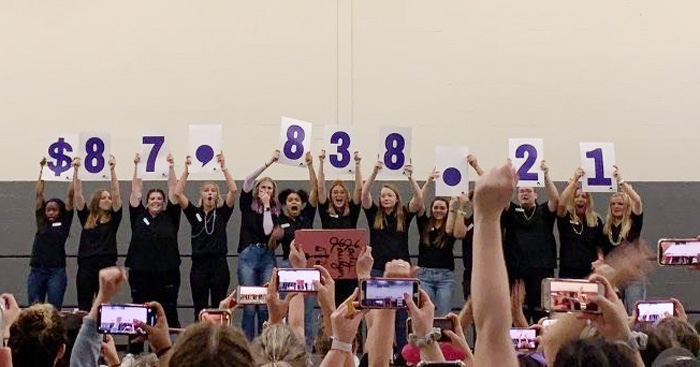
The eighth annual University of West Florida Dance Marathon raised a record $87,838.21 on Feb. 29 in support of Children’s Miracle Network Hospitals, a nonprofit organization that raises funds for pediatric hospitals, medical research and community awareness of children’s health issues. All proceeds from UWF’s event will be donated to the oncology unit at Pensacola’s Studer Family Children’s Hospital at Sacred Heart, a member of the Children’s Miracle Network.
During UWF Dance Marathon, participants stand on their feet and dance for 10 hours in support of children who cannot. The event was held in the UWF Field House.
“Dance Marathon at UWF is an amazing event for a great cause,” said Dr. Brandon Frye, associate vice president, Division of Academic Engagement and Student Affairs. “I am very proud of our students, and excited about the work that they have done with the Dance Marathon event over the last eight years.”
The amount raised smashed the previous Dance Marathon record of $60,890.59, set in 2018. Mya Clark, a senior journalism major and executive director of the event, credited initiating Dance Marathon fundraising activities earlier than in previous years for the record amount. The fundraising activities kicked off in October during Homecoming Week with a cookout on the Cannon Green.
“We were more engaged and had more activities to get people involved and excited about it,” Clark said. “The cookout on the Cannon Green got things going in the right way. People were excited from the start.”
The Miracle Network Dance Marathon is held at more than 400 locations across the country and has raised over $300 million since 1991.
UWF fraternities, sororities and other student organizations raised funds as teams for the event and competed in the “Miracle Ball” to see who could raise the most money and create the most awareness for the event through social media and spirit nights. A total of 453 students from 17 teams participated in UWF’s 2020 Dance Marathon. Miracle Ball winners were split into three divisions based on the number of members in the organization:
Cannon Division (less than 30 members): Argonettes Dance Team
Nautilus Division (30-75 members): Pi Kappa Alpha
Argonaut Division (more than 75 members): Kappa Delta
Northview’s Brown Named Chamber Outstanding Student Of The Year
March 2, 2020
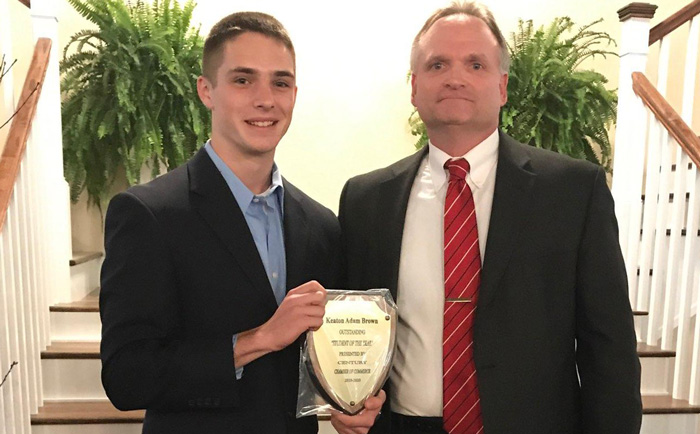
Keaton Brown from Northview High School was named the Outstanding Student of the Year for 2019-2020 by the Century Area Chamber of Commerce. Photo for NorthEscambia.com, click to enlarge.
Friday, Joyce Gunn Retired. She Had Worked At Northview High Since The Day It Opened.
February 29, 2020
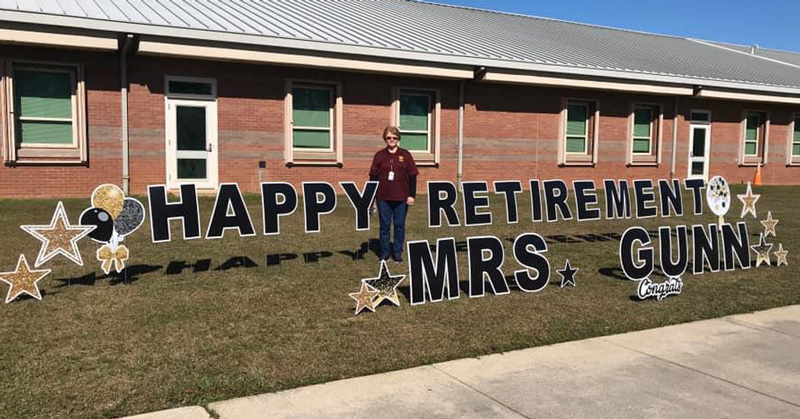
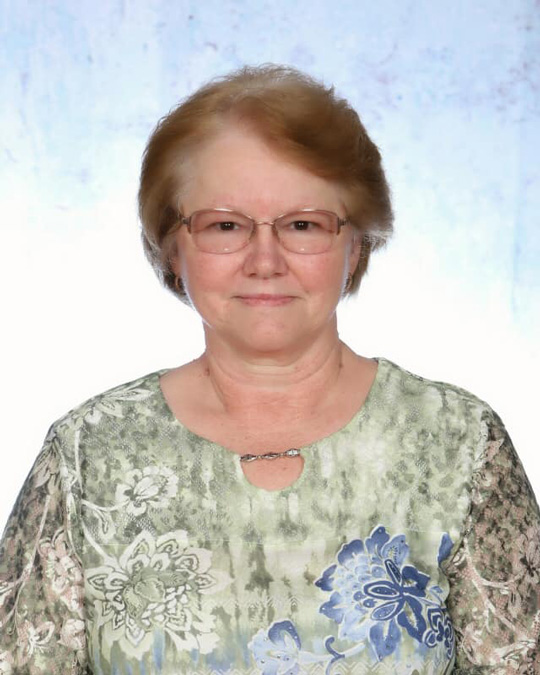
Friday was retirement day for Joyce Gunn who had worked at Northview High School since the day the school opened in 1995.
After a decade as the bookkeeper, she became the administrative secretary. Since 2011, she had been the senior finance specialist at Northview. Gunn has a total over 30 years of loyal service to the Escambia County School District.
“Enjoy every day and do the best you can,” Gunn said Friday. She looks forward to spending more time with her family and traveling now that she is retired.
Photos for NorthEscambia.com, click to enlarge.
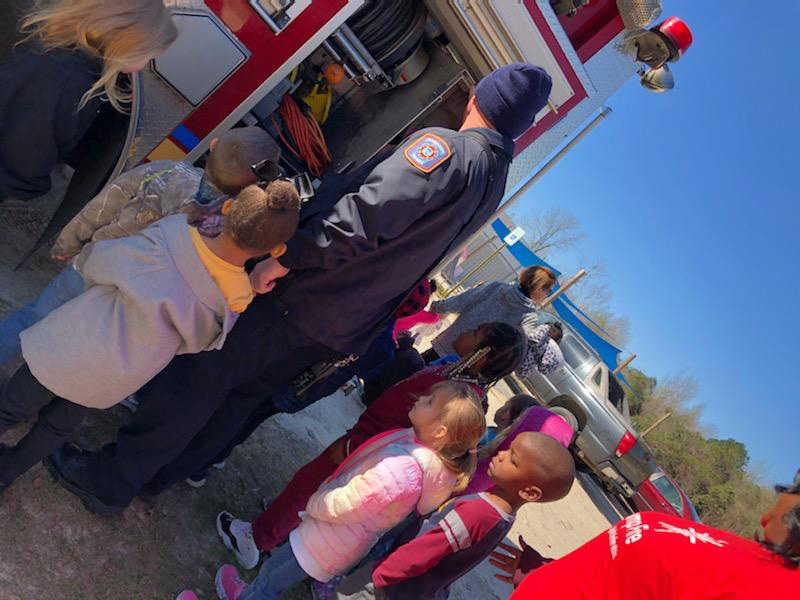
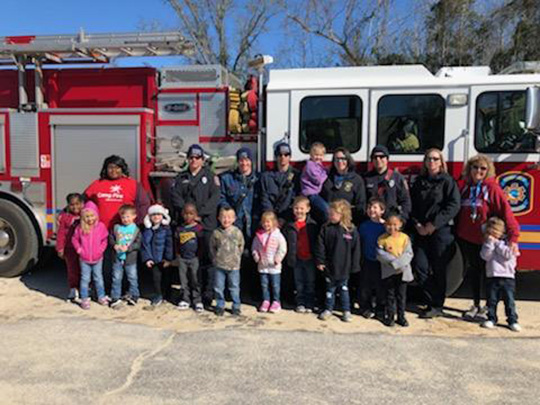
Escambia Fire, EMS Visit Camp Fire Century Kids
February 29, 2020
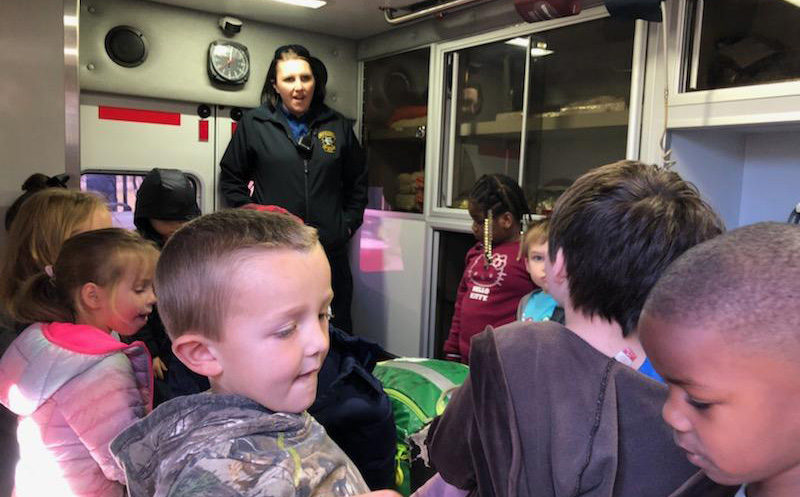
Escambia County EMS and Escambia County EMS paid a visit Friday to the Camp Fire Century Youth Learning Center. The children had the opportunity to get inside an ambulance and learn about firefighters and what they do. Photos for NorthEscambia.com, click to enlarge.
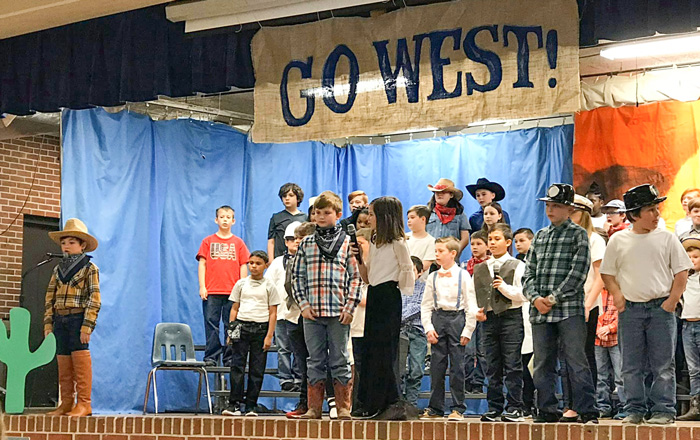
Go West! Jim Allen Elementary School Fourth Grade Presents Program
February 28, 2020
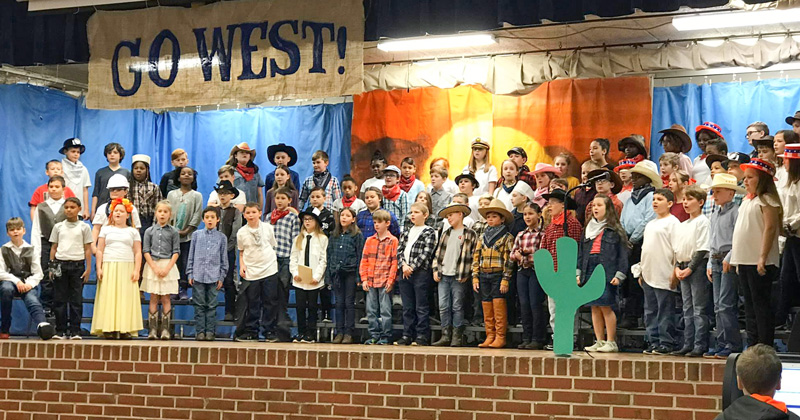
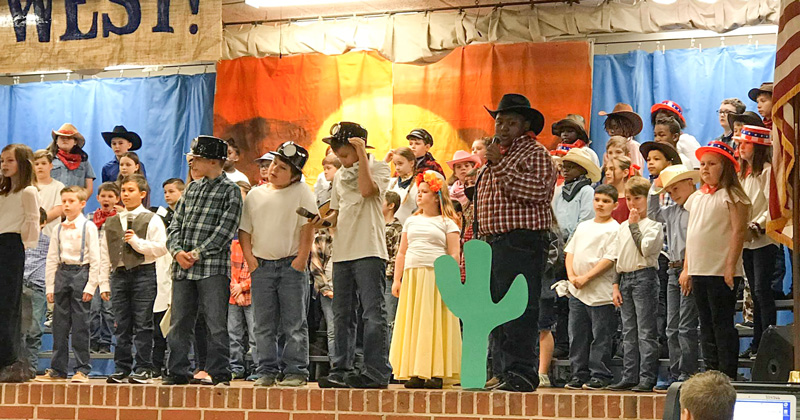
The Jim Allen Elementary School fourth grade presented “Go West!” to the school Thursday morning and had an encore presentation Thursday night for parents and family members. Photos for NorthEscambia.com, click to enlarge.
Northview Celebrates National FFA Week With Breakfast
February 27, 2020
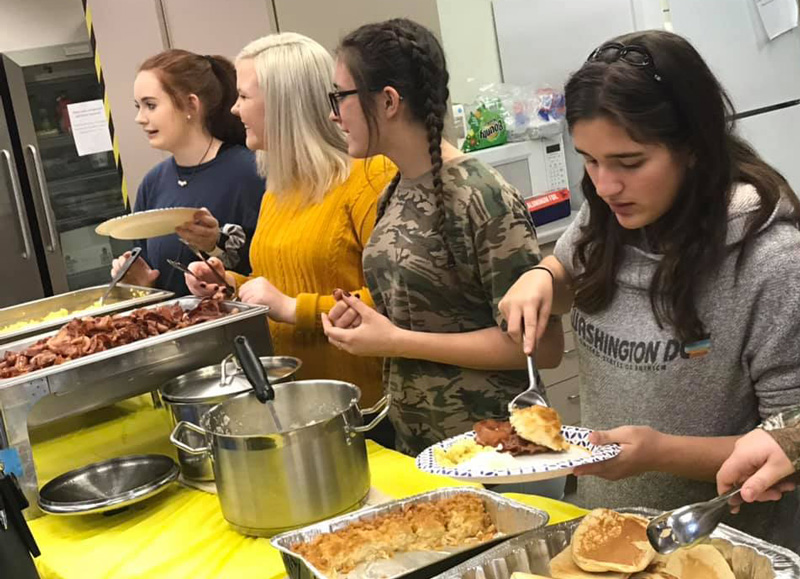
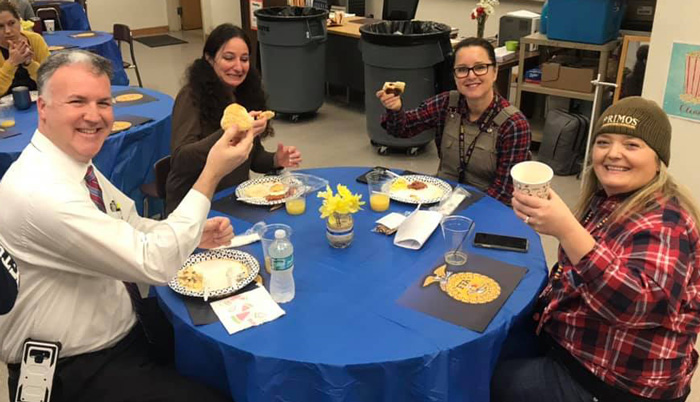
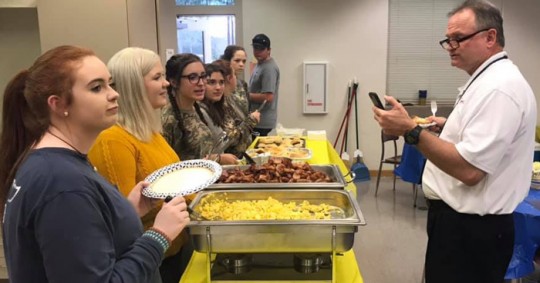
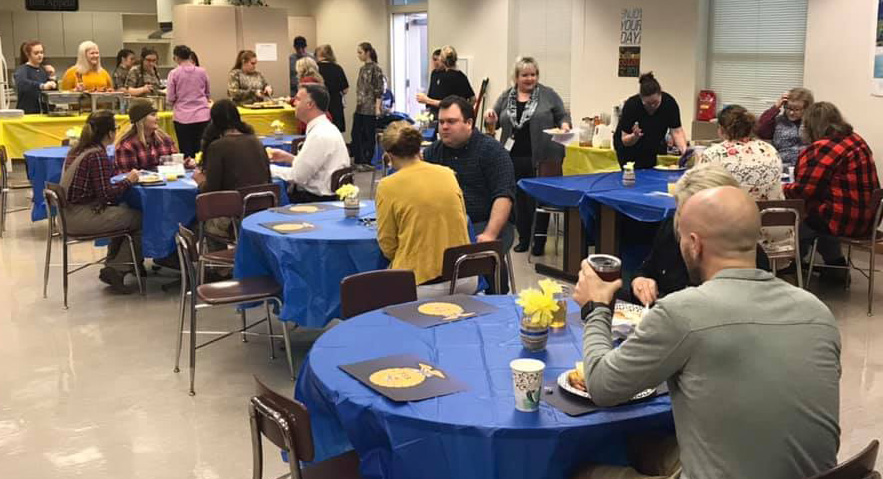
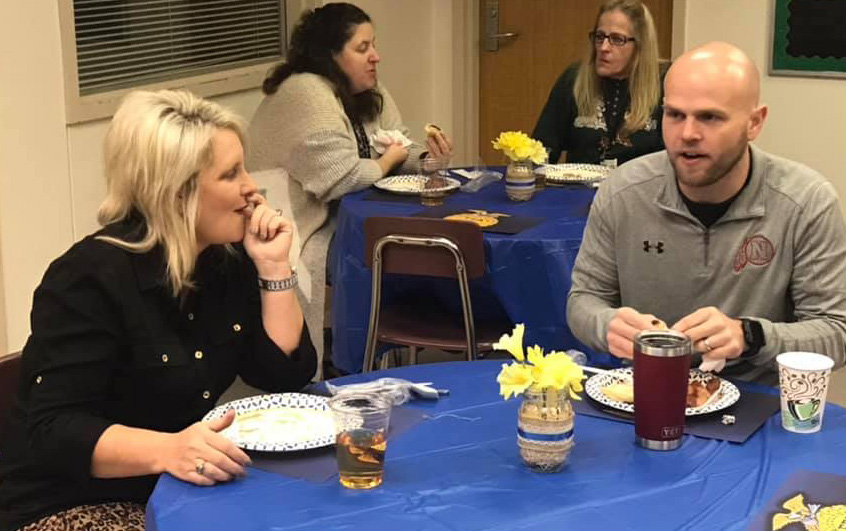
FFA members at Northview High School are celebrating National FFA Week with a variety of events.
Wednesday morning, the FFA officers and members prepared a homestyle breakfast for teachers to thank them for their support. Northview’s FFA program has been recognized as one of the top chapters in both the state and the nation.
Photos for NorthEscambia.com, click to enlarge.
Escambia River Gun Club’s Foundation Presents Law Enforcement Student Scholarships
February 26, 2020
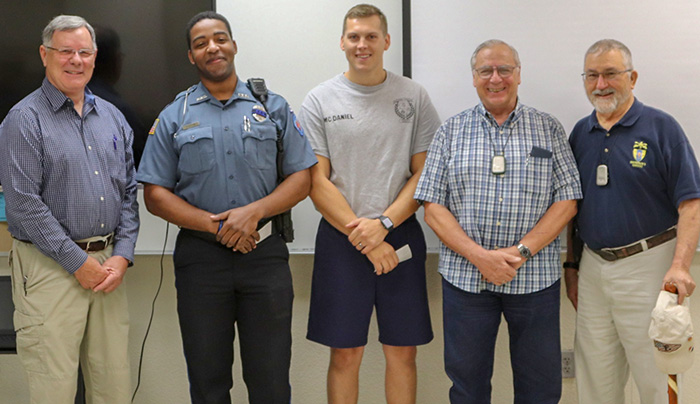
Representatives from the ERML Sportsman Foundation visited the George Stone Technical College’s Criminal Justice Training Center on Feb. 25 to present two students attending the GSTC Law Enforcement Academy with scholarship checks for $1000 each to help the students cover the cost of tuition and lab fees
The ERML Sportsman Foundation presented scholarships Tuesday to two students at the George Stone Technical College’s Criminal Justice Training Center.
Pierce Cotton and J.T. McDaniel received $1,000 each to help cover the cost of tuition and lab fees.
“You guys are the next generation of law enforcement officers. You are the people that protect us. The Escambia River Gun Club has always been supportive of law enforcement and, we give scholarships. So,two of you guys are going to get scholarships today,” said Mike Roberts, member of the Escambia River Gun Club and president of the ERML Foundation. “A lot of times you guys might feel that you are not appreciated. You really are. The people who do appreciate you are the good guys. The ones that don’t appreciate you, they are the bad guys and they are the ones that you are going to be putting in jail.”
The GSTC Criminal Justice Training Center requires 770 hours of training
Pictured: (L-R) ERML Foundation President Mile Roberts; GSTC Criminal Justice Training Center students Pierce Cotton at J.T. McDaniel, Foundation Treasurer Richard Holsher and Foundation member Bob Drandridge during a scholarship presentation Tuesday. Photo for NorthEscambia.com, click to enlarge.