

Year In Review North Escambia’s Biggest Stories Of 2009: February
December 29, 2009
NorthEscambia.com is looking back at 2009 with our “Year in Review” series. Each day, we will review the biggest stories of 2008. Today, we take a look at the biggest stories of February 2009.
February brought bad news for Century as leaders learned that plans for the LHS EV electric vehicle manufacturing plant to be located in Century appear to be dead. The State of Florida has rejected a $2.5 million grant application from their Renewable Energy and Energy-Efficiency Technologies program. As a result, LHS EV no longer had plans to locate the plant in Century.
 The Ernest Ward Middle School cheerleaders were named second best in the entire nation in Orlando in the Universal Cheerleaders Association competition.
The Escambia County Sheriff’s Office bike patrol took to the streets of Century for the first time. Sheriff David Morgan said it was part of his plan to have more deputies on the streets.
The manager of the Escambia Grain Corporation in Walnut Hill was trapped in a silo of soybeans for nearly three hours. He was rescued uninjured.
The Town of Century began action seeking $300,000 from the Florida Department of Corrections for water bills the town said were owed for the Century Correctional Institution.
Two pedestrians were killed and a third was injured in Cantonment at Highway 95A and Tate School Road.
Residents of Bratt got their first look at a new Bratt Community Park.
Graphics Packaging in Cantonment announced they they were cutting about 220 jobs — the first of many such announcements by businesses in the area during 2009.
Northview High School learned that the school would be unable to organize Baccalaureate services, and they turned to the community to help.
Flomaton High School Principal Scott Hammond was named the Flomaton Citizen of the Year, and Ernest Lloyd Barrow was name the Century Citizen of the Year at the Flomaton and Century Joint Chamber of Commerce Annual Awards Banquet. Bud’s Refrigeration Service was named the Flomaton Business of the Year, and Whataburger was named the Century Business of the Year.
Preliminary non-football classifications released Tuesday by the Florida High School Athletic Association takes Northview High School from just four teams in their district to district with nine teams. Northview, Catholic, South Walton and Walton currently comprise a district. Under the new classifications released Tuesday, Arnold (Panama City Beach), Bay (Panama City), Bozeman (Southport), Chipley and Marianna would join Northview, Catholic, South Walton and Walton in District 1-3A.
 Firefighters spent about an hour working to extinguish a fire at Escambia Grain in Walnut Hill. The fire was reported about 5:00 in a large metal grain dryer unit that towers about 60 feet into the air in front of the 100-foot high grain silos.
A Walnut Hill man, Tad Fredrick Cann, died after he struck a deer with his motorcycle near the intersection of Molino Road and Sunshine Hill Road.
A fiery crash in Flomaton claimed the lives of two men in Flomaton, and three others were critically injured. Flomaton Police Dispatcher Donna Filmore was credited with saving the lives of those that survived by pulling them from the burning wreckage at Highway 113 and Highway 31.
A column the Pensacola News Journal called NorthEscambia.com a “must-read”. “For news north of Nine Mile Road, www.northescambia.com is must-reading, occasionally even beating emergency vehicles to accident scenes,” Pensacola News Journal columnist Mark O’Brien wrote in his column.
It was announced that a Century landmark business would close. The Country Bumpkin was to be close to make way for a new thrift store.
 Love was in the air at Century Care Center with the Valentine’s Day wedding of Karen Sue Coleman and Benjamin Edward Leonardi. Karen wanted her father, Floyd Coleman, to walk her down the aisle. Mr. Floyd has been a resident at Century Care for nearly six years. Rather than take him out of Century Care for the wedding, Karen decided to take the wedding to him.
Escambia County dropped out out of a $22 million deal to purchase 684 acres north of Molino near the Camp O’ the Pines for a regional police, fire and EMS training facility after Sheriff David Morgan said he wanted out of the deal.
The Town of Century entered into an agreement with Escambia County to return code enforcement to Century for the first time in years.
 Two people were injured in an accident with a strange end in Davisville — one pickup truck involved in the crash ended up parked with the grocery carts inside a buggy corral at the Piggly Wiggly on Highway 97.
The top three men in Escambia County Fire Rescue were asked to resign. Fire Chief Ken Perkins and Assistant Chief Robbie Whitfield were asked to resign to by Escambia County Administrator Bob McLaughlin. Deputy Chief Kurt Isakson was out as Deputy Chief, but remained with the department as a battalion chief.
In a move that would later be reversed, the Town of Century voted to waive water bills for residents of Backwoods Road due to poor service.
The Escambia County School Board continued discussions that would eventually lead to the closure of Carver/Century K-8 School.
The Northview High School varsity boys basketball team had their hopes of a district title crushed by Catholic High School in the district tournament at NHS. The Crusaders downed Northview 70-59.
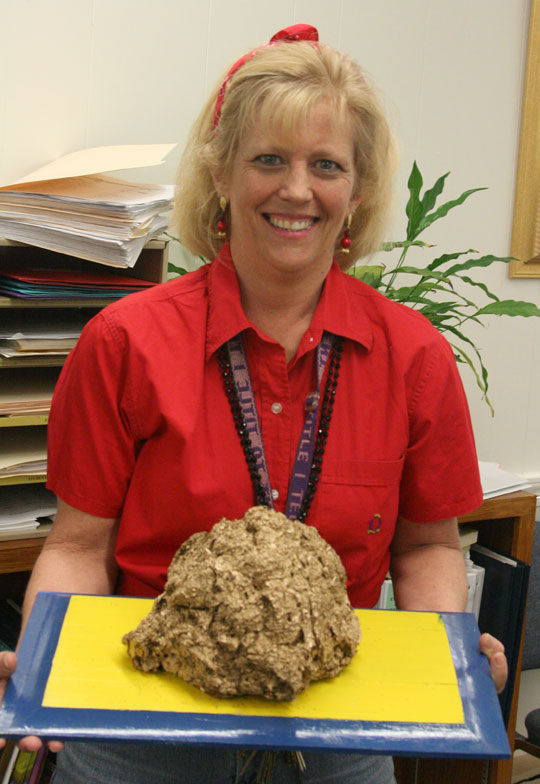 Ernest Ward Middle School Principal Nancy Gindl-Perry with presented with what was, without a doubt, the most unique award of her entire educational career. Members of the Ernest Ward FFA presented her with the “Golden Cow Dung Award”. The award featured a large piece of cow dung, painted a golden color. Perry received the award from the school’s FFA members as a “thank you” for supporting FFA.
2009 In Pictures: March
December 29, 2009
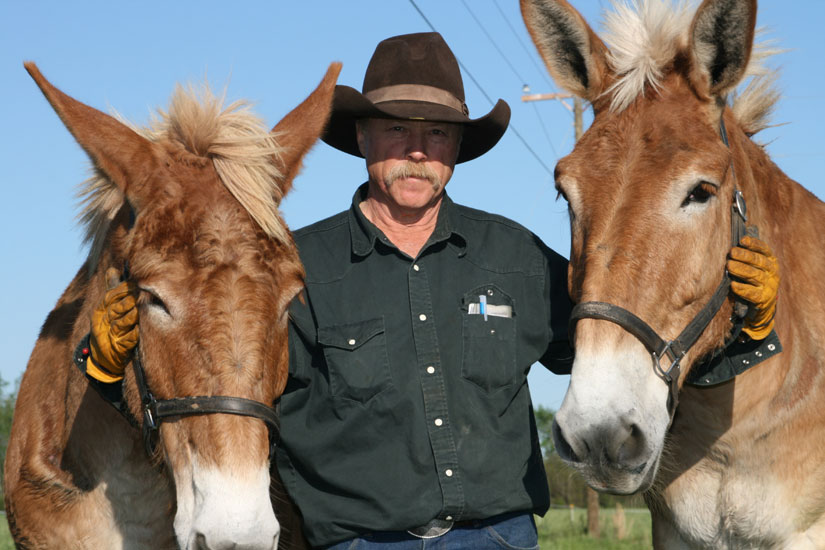
Randy Boehmer stopped in the area as he was crossing the country on a lifelong journey to spread the Gospel.
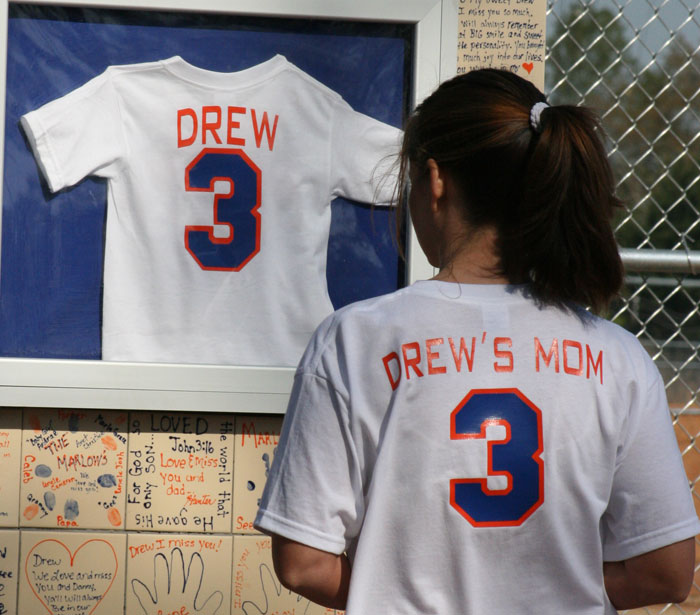
Cyndi Marlow Wendt stands alone at the dedication of Drew’s Field in Walnut Hill. The field was named in honor of her son who was killed in a 2008 auto accident.

Pitcher Mallory Ryan winds up for the Northwest Escambia Sandy Sansing team on Spring Opening Day at Bradberry Park.

A mother reacts as her daughter pets a baby crocodile during a program at the Century Branch Library.

Freedom Thomas tried to comfort her daughter Keyvinana Johnson as she cries following an Escambia County School Board meeting at Carver/Century K-8 School. The board visited the school to discuss its closure.
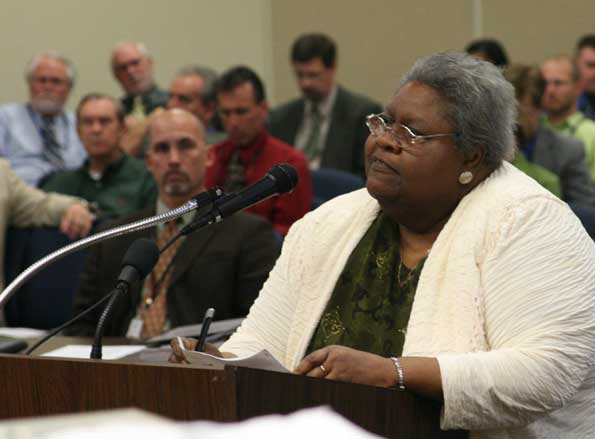
Century resident Annie Savage addresses the Escambia County School Board, begging the board to keep Carver/Century K-8 open. The board voted to close the school a few minutes later.

A woman stands in the rain to pray for area schools during a prayer rally at Jay High School.

We took our NorthEscambia.com cameras north in search of a March snow. Pictured above: We found a snow flurry in Greenville, Alabama.

Heavy rains flooded in Molino area in March.

Bratt Elementary Librarian Martha Jeter and her husband Gerald outside the remains of their Chumuckla home that was hit by a tornado.
NorthEscambia.com file photos, click to enlarge.
2009 In Pictures: January, February
December 28, 2009
All week, we’ll take a look back at 2009 through some of the thousands of photos we ran here on NorthEscambia.com. Today, we are featuring some of the best and most interesting photos from January and February.

This amazing photograph shows the moment Northview softball player Amber McMillan’s leg was broken in tournament game against Enterprise High School in Dothan, Alabama.
The driver of this pickup continued into the Piggly Wiggly parking lot in Davisville after rear-ending another pickup on Highway 97. The pickup stopped inside the buggy corral.

Fire destroyed a compact track loader in Davisville.

Several large control burns around the North Escambia area darkened the sun.

A driver plowed through a Walnut Hill cemetery after trying to miss a deer on Highway 97.

A fiery crash in Flomaton claimed the lives of two men in Flomaton, and three others were critically injured. Flomaton Police Dispatcher Donna Filmore was credited with saving the lives of those that survived by pulling them from the burning wreckage at Highway 113 and Highway 31.

Firefighters work outside of a grain silo in Walnut Hill where a man was trapped for nearly three hours. The man was rescued uninjured by an Esambia Fire Rescue Special Operations team and area firefighters.

Jared Jeter poses for a glamour shot photo at Byrneville Elementary as admiring fans look on. The photos were part of a Hollywood reading night at the school.

Emergency workers use the Jaws of Life to free the driver of this car on Highway 29 south of Molino. The AIRHeart One helicopter can be seen in the background waiting to transport the patient.
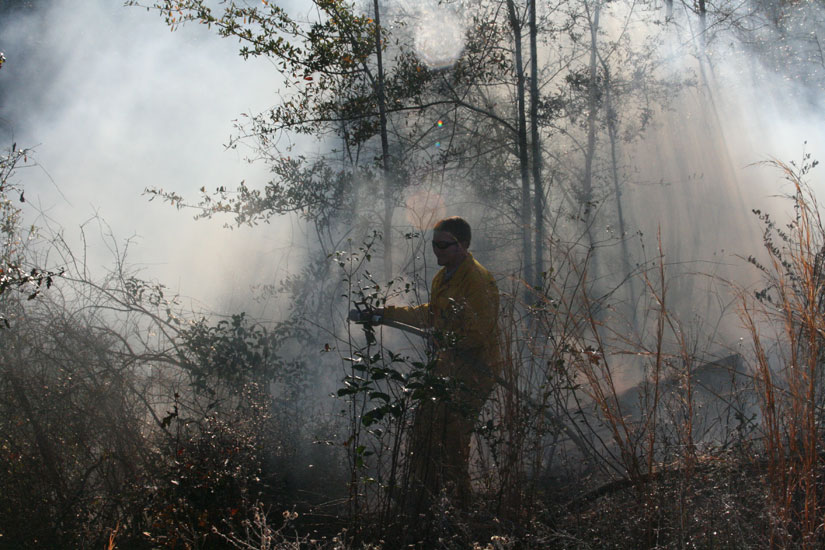
A firefighter from the Walnut Hill station of Escambia Fire-Rescue works to contain a brush fire on Arthur Brown Road just west of Pine Forest Road.

Amber Holland was named Miss Northview High School.

Participants in a Martin Luther King, Jr. Commemorative Celebration join hands while singing “We Shall Overcome”.
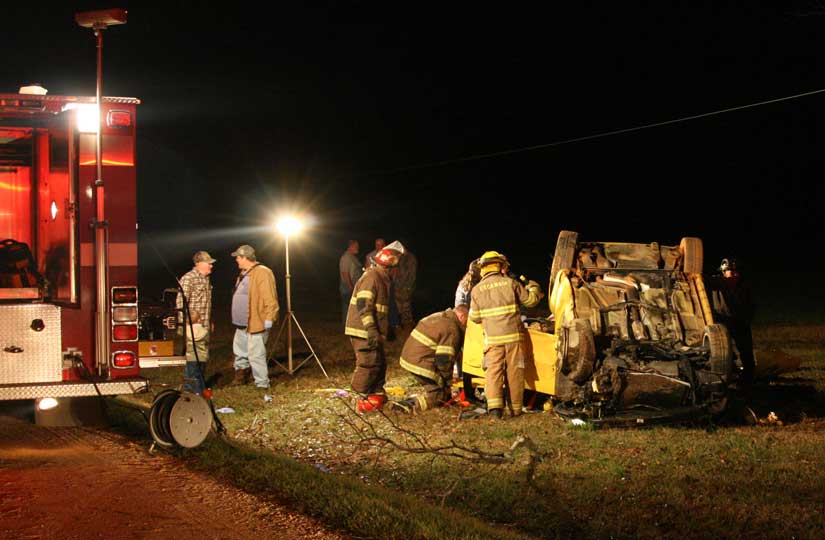
Three Northview High School cheerleaders were injured in this crash.

A firefighter watches a control burn.

Ashley Cunningham is crowned Junior Miss Ernest Ward Middle School by 2008’s winner Angel Mitchell.
NorthEscambia.com file photos, click to enlarge.
Year In Review North Escambia’s Biggest Stories Of 2009: January
December 28, 2009
NorthEscambia.com is looking back at 2009 with our “Year in Review” series. Each day, we will review the biggest stories of 2008. Today, we take a look at the biggest stories of January 2009.
At their first meeting of the year, the Town of Century voted to spend $478 on a lawyer to determine if they should collect a $629 sewer bill from an elderly resident. The woman, according to the council, had not paid for sewer service since 1999.
A new top cop took office in Escambia County. David Morgan was sworn in before a standing room only crowd.
 Firefighters from Century and McDavid were call to Milton to help control a massive fire that destroyed almost an entire city block of the town’s historic district.
The Town of Century withdrew its support for a plan to consolidate Century, Pensacola and Escambia County under one unified government, with council members saying that they were misled by the group Escambia All For One. In December 2008, the Century Town Council approved a resolution identical to resolutions passed recently by Escambia County and the City of Pensacola that simply says that Century supports moving forward in exploring the governmental consolidation sought by Escambia All For One. But the council rescinded that resolution on a recommendation from Mayor Freddie McCall.
Ashely Cunningham was named Miss Ernest Ward Middle School. Other award winners were Clarissa Ross, 1st runner-up; Ariel Holland, 2nd runner-up, and poise and appearance, and Miss Hospitality; Savanna VanderPol, 3rd runner-up; Cheyenne Godwin, physical fitness, and Miss Congeniality.
ECUA took over residential trash collection in North Escambia, but not without their share of problems. A large number of people were unable to recycle as promised when pickups were dropped from twice per week to once. ECUA had great difficulty in getting the recycling cans delivered in a timely fashion.
Christopher Patterson of Molino was sentenced to 15 years in prison for the death of his one year old daughter Ali Jean Paterson in late September, 2006. Ali Jean Paterson died on November 26, 2006, from burns she received two weeks earlier when she was left unattended in a hot bath, according to authorities.

It was announced that thee days of Alabama students attending school in Escambia County, Florida schools were coming to and end, and students from Escambia, Florida, including those from the closing Carver/Century K-8 School, will not be allowed to attend school in Alabama. Escambia County, Alabama, rescinded an agreement from the two Escambia, ending an even student for student exchange.
A federal judge issued preliminary injunction against any policy or practice that promotes prayer or religion in the Santa Rosa County School District. The ACLU requested documents concerning prayer from Escambia County Schools.
Escambia Commissioners began to talk about raising the gas tax in the county to fund ECAT and other public transportation options.
New football districts were announced in Florida, with Northview dropping back to District 1A with Jay High School.
On Election Day, we elected the nation’s first black president, In North Escambia, 6,311 people voted for John McCain while 2,202 voted for Barack Obama.
People gathered across North Escambia to remember Dr. Martin Luther King, Jr. with parades and programs, including a large gathering in Century.
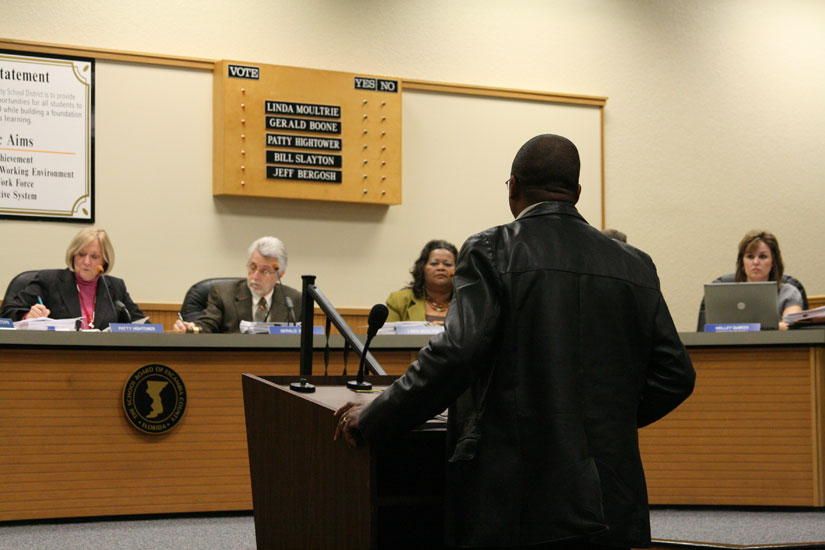 Despite passionate pleas from several Century residents, the Escambia County School Board’s ax fell on Carver/Century K-8 school as the board vote to redistrict all of the student out of the school to Bratt Elementary and Ernest Ward Middle schools. A NorthEscambia.com investigation found that most students that lived in the Carver/Century district did not attend the school, taking advantage of the fact that the school did not meet Adequate Yearly Progress in order to transfer to a neighboring school.
Modular classrooms totaling $1 million were announced for Bratt Elementary and Ernest Ward Middle schools. The classrooms were to provide extra space for the Carver/Century students being redistricting to the schools in the fall.
Northview senior Amber Holland was named as the new Miss Northview High School. First Runner Up was Sarah Killam, a sophomore. Second Runner Up was Katie Mann, also a sophomore.
Legendary football coach Carl Madison returned to sidelines as the offensive coordinator for the Tate Aggies. From his first coaching job at Ernest Ward High School at age 26, Madison went on to become one of America’s most winning coaches. Madison, age 77, was 326-129-7 over a 45 year coaching career, making him number two on Florida’s all-time coaching victories list and in the top 30 in the entire nation.
Production came to a halt at the Jay Oil Field, costing about 30 employees their job less than a month after Christmas. The nation’s poor financial state and a drop in oil prices were to blame.
The local legislative delegation put their stamp of approval on a bill that would create a 25-member commission to draft a consolidated government proposal. The consolidation would roll Escambia County, Century and Pensacola governments into one. The group supporting consolidation, Escambia All For One, held a meeting in Walnut Hill to talk about their plan. No one attended.
 It was practice, practice for the Ernest Ward Middle School cheerleaders as they prepared to compete for a national championship in Orlando.
The Town of Century voted to return code enforcement to the town, agreeing to allow Escambia County provide the service. Code officers promised to be proactive and not complaint driven.
People were on the lookout for a phony cop pulling people over in Escambia County. He was never arrested.
Century was still holding onto a thread of hope for an electric car manufacturing plant, but more tax liens against the developers of the project surfaced
January was time to dig out the birth certificates and think about spring — it was ball registration time in Century, Molino and Walnut Hill.
In late January, the state ethics commission found that former Mayor Evelyn Hammond misused her position and recommended a $3,000 fine. Hammond used her position to retaliate against Century Little League and its president, Dabney Longhorne, when that organization failed to hire her son as chief umpire, according to the ethics commission findings.
NorthEscambia.com file photos, click to enlarge.
Rescued From River Flood Waters: Logjam’s New Home For Christmas
December 25, 2009

Rescued from the flood waters of the Escambia River, a little dog dubbed Logjam has a new home, and a new name, for Christmas.
Our Christmas tale of Logjam begins with Carl Godwin, Jr. About a month ago, Carl, Jr. heard his parents, Carl and Sylvia Godwin of Century, talking about the little dog down by the river at Fischer Landing, just up the Escambia River from the Highway 4 Bridge.
 “He has such a big heart where animals are concerned,” Sylvia said of her son, explaining that his passion for animals led him to build a small tepee type house for the little dog to have some shelter from the winter’s cold and rain.
“We tried our best to get her so we could make sure she was taken care of, but could never get her to come to us,” Sylvia said. The little dog spent her days down by the river, returning to the handmade tepee house for food that the Godwins and others would leave.
All seemed well for the little dog in our story — until December’s flash floods. Her house was high and dry from the flood waters, up on the roadway that was once the approach to the old Highway 4 bridge. But the story of our little canine took a drastic turn thanks to nature’s fury.
The night of December 14, it rained. And rained, and rained. The river was rising quickly.
 Florida Fish and Wildlife Conversation Commission Officers Steve Hoomes and Gary Ridaught were patrolling near the Escambia River at Fisher Landing in Century. The officers heard barking from the river and investigated. They located the source of the barking under the Highway 4 Bridge where a large number of logs had created a log jam. A small dog had somehow become stranded on the logs piled against the bridge pilings.
With the recent rains, the river was extremely swollen and the current was swift. There was no way the dog could swim the distance to shore. The officers sought the assistance of a citizen who arrived at the boat ramp with a small boat. They maneuvered the boat to the log jam and “rescued the very wet, but grateful dog”. The dog was taken to the Escambia County Animal Shelter, where shelter employees named her “Logjam”.
But Logjam was not destined to spend her Christmas in the doggie pound, thanks to the Christmas wish of Heather Hodges of west Pensacola. Heather’s Christmas wish was — you guessed it — a dog.
Gina Hodges said her husband Bob and son Bobby went to the Escambia County Humane Society on Saturday, December 19, looking for that perfect Christmas pooch.
 “They immediately fell for Logjam,” Gina said. “The workers told them her story and they were hooked! We picked her up the next day after she had been spayed and she fit so well with our other dog and family.”
“Of course I didn’t like the name ‘Logjam’ – too much of a name for such a tiny creature, so we changed it to Lulu,” Gina said.
The Hodges family knew the story of Logjam — now called Lulu — and they discovered she was a little famous after a December 21 story on NorthEscambia.com. That’s where our tale, already full of coincidences, become a little more, well, coincidental.
“When I shared the story from the website with my husband, he knew both (Fish and Wildlife) officers involved from when he was a Reserve Game Officer many years ago!” Gina said. “Such a small world.”
“My heart breaks to think of the trials she’s endured in her short life (they say she’s about one), but I’m so glad we found each other,” Gina said.
Like all good Christmas stories, this one has a happy ending on this Christmas, as Lulu enjoyed her first Christmas morning with her new family — high and dry, a long way from the unpredictable waters — and the log jams — of the Escambia River.
Pictured top: Lulu — the dog briefly known as Logjam after being rescued from the flooded Escambia River — at her new home with Snickers. Pictured top inset: The tepee like house that Carl Godwin, Jr. built for the Lulu when she lived near Fischer Landing in Century. Pictured middle inset: A log jam against the Highway 4 bridge over the Escambia River. Submitted photos for NorthEscambia.com, click to enlarge.
Christmas Recipes: Rice Krispie Treats, Oatmeal Cookies, Hot Chocolate
December 25, 2009
We are continuing our Christmas recipe series today with some family time favorites.
 Today’s recipes include Traditional Oatmeal Cookies and Rice Krispie Treats — perfect recipes for the family to make together. And what would Christmas be without Hot Chocolate? Our quick and easy recipe can easily be increased to make enough for everyone, plus it’s easy to include some extra cocoa powder for a deeper, darker treat.
To submit your recipes to share with our readers, email them to news@northescambia.com.
Traditional Oatmeal Cookies
- 1 cup (2 sticks) salted butter, softened
- 1 cup firmly packed brown sugar
- 1/2 cup granulated sugar
- 2 eggs
- 1 teaspoon vanilla extract
- 1 1/2 cups all-purpose flour
- 1 teaspoon baking soda
- 1 teaspoon cinnamon
- 1/2 teaspoon salt (optional)
- 3 cups of Quaker Oats (Quick)
- 1 cup raisins (optional)
Preheat oven to 350° F. Beat together butter and sugars until creamy. Add eggs and vanilla extract; beat well. Add combined flour, baking soda, cinnamon and salt; mix well. Slowly stir in oats. Drop by rounded tablespoon onto an ungreased cookie sheets. Bake 10 to 12 minutes or until golden brown. Cool 1 minute on sheet, remove to wire rack.
Rice Krispie Treats
- 1/4 cup butter
1 (10 oz., about 40) pkg. regular marshmallows or 3 cups miniature marshmallows
6 cups Kellogg’s Rice Krispies cereal
In a large saucepan, melt butter over low heat. Add the marshmallows and continue to stir until the marshmallows have completely melted. Remove from heat. Stir in the Kellogg’s Rice Krispies cereal coating them well with the melted marshmallow mixture. Using a buttered or silicone spatula, press the mixture evenly into a 13 x 9 x 2 inch pan which has been buttered or sprayed with non-stick spray or lined with wax paper. Cut into squares when the mixture cools. Makes 24 squares.
MICROWAVE DIRECTIONS:
Microwave butter with marshmallows on high setting for 2 minutes in a microwave safe mixing bowl. Stir together when melted. Microwave again on high for 1 additional minute. Stir in cereal, mixing until well coated. Press into pan as above.
Hot Chocolate
- 1 tbsp. cocoa powder
2 tbsp. sugar
2 tbsp. water
1 c. milk
a bit of vanilla, if desired
Combine cocoa, sugar, and water in a small saucepan. Heat it on low heat, stirring occasionally to prevent the paste from sticking to the pan. After about 1 to 2 minutes, add milk and vanilla. Mix it all together until it reaches your preferred temperature.
Tate Band Makes Appearance On National TV
December 24, 2009

The Tate High School’s Show Band of the South appeared on national television this morning on ABC.
The Tate Band was the only high school band in the country invited to perform in the annual parade that aired earlier this morning on WEAR.
The 155 members of the Tate Band traveled to Orlando the first weekend of December for the parade that was filmed December 6 in Disney’s Magic Kingdom theme park for the Christmas morning showing. The band was also invited to participate in opening scenes for the parade.
The band performed a medley of Christmas favorites, including “Holly Jolly Christmas,” “Jolly Old St. Nicholas” and “Jingle Bells.”
 Several of the band members and parents had the opportunity to be “extras” in the audience as the Jonas Brothers performed.
Each year, Disney invites bands to apply for the chance to appear in the nationally televised parade. Tate Band Director Joe Hooten submitted an application back in January based upon the band’s 37 years of superior rates, their 2008 appearance in the St. Patrick’s Day Parade in Dublin, Ireland as well as video footage and pictures from local events.
Pictured top: The Tate High School Show Band of the South performs in the Disney Christmas Parade on December 6. The parade will air on national television Christmas morning. Pictured inset: Tate band member Nick Kelly (gray shirt) reaches toward Joe Jonas of the Jonas Brothers. Submitted photos for NorthEscambia.com, click to enlarge.
Christmas Recipes: Apples, Sweet Potatoes And A Quick Breakfast Brunch
December 24, 2009
We are continuing our Christmas recipe series today with a couple of desserts and a quick breakfast.
 Today’s recipes feature an Apple Caramel Pudding and a Sweet Tater Cheesecake. We also have a Farmer’s Omelet Casserole that’s easy to cook and would provide a hearty Christmas morning breakfast or brunch for everyone.
To submit your recipes to share with our readers, email them to news@northescambia.com.
Farmer’s Omelet Casserole
by Terri Brown
- 3 cups frozen cubed hash brown potatoes
- 1 cup chopped green pepper, divided
- 1/3 cup chopped onion
- 1 tablespoon oil
- 18 large eggs, beaten
- 2 1/3 cups chopped cooked ham
- 1 1/4 cups chopped tomato, divided
- 1/2 teaspoon salt
- 1/2 teaspoon black pepper (coarse grind is best)
- 1 1/2 cups (6 oz) shredded Cheddar or Monterey Jack cheese
Cook potato, 3/4 cup green pepper and onion in oil in a large skillet over medium high heat, stirring constantly, 8 min. or until tender. Cool potatoes if preparing the night before. Combine potato mixture, eggs, ham, 1 cup tomato, salt and black pepper in a large bowl; stir well. Pour mixture into a lightly greased 13 x 9 inch baking dish. Bake, uncovered at 325 for 40 minutes or until golden. Top with remaining 1/4 cup green pepper and 1/4 cup tomato. Sprinkle evenly with cheese. Bake 5 more minutes until cheese melts.
Apple Caramel Pudding
by Janet Smith
- 1/4 cup flour
- 1 tsp. cinnamon
- 1/2 cup granulated sugar
- 1tsp salt
- 1 tsp baking powder
- 1/2 cup milk
- 1 1/2 cups chopped peeled apples
Combine first five ingredients; then add apples and milk. Blend thoroughly and pour into 8″ square pan.
Combine:
- 3/4 cup packed brown sugar
- 1/4 cup butter
- 3/4 cup boiling water
Mix sugar, boiling water and butter and pour over the batter already in pan. Bake
at 375 degree oven for 45 minutes. Seeve warm with ice cream or whipped cream. Very simple but rich dessert. Serves 4 to 6
Sweet Tater Cheesecake
- 4 packages (8 ounces each) cream cheese, softened
- 1 cup sugar
- 4 large eggs
- 3 egg yolks
- 3 tablespoons flour
- 2 teaspoons cinnamon
- 1 teaspoon ginger
- 1 cup whipping cream (cool whip will work if no cream handy)
- 1 1/2 cups sweet potatoes, mashed (NOT CANNED)
.
Graham Cracker-Pecan Crust
- 2 cups finely crushed graham cracker crumbs
- 1/2 cup melted butter
- 1/4 cup finely chopped pecans
- Preparation:
- Preheat oven to 425°.
Crust:
Combine crust ingredients thoroughly; press into a 10-inch springform pan.
Beat cream cheese, sugar, and eggs until smooth; beat in flour, cinnamon, and ginger. Beat cream and well-mashed sweet potatoes in on medium speed of a hand held mixer just until well-combined. Pour the batter into the prepared crust. Bake at 425° for 15 minutes; lower heat to 275° and bake 1 hour longer. Turn heat off and leave in the oven to cool for several hours, or cool on a wire rack. Serve with sweetened whipped cream or caramel sauce.
Christmas Recipes: Red Velvet Cake, Holiday Dips
December 23, 2009
 The holidays are a time when a lot of people head into the kitchen to cook for family and friends. Over the next few days, NorthEscambia.com will share some submitted holiday favorite recipes.
You just can’t go wrong with a red velvet cake, and we have a great recipe today from Shirley Boone. We also have a couple of dip recipes just in time for your Christmas entertaining — a black bean dip and a hot cream cheese dip.To submit your recipes to share with our readers, email them to news@northescambia.com.
Today’s recipes are from the Molino Homemakers Club.
Red Velvet Cake
by Shirley Boone
CAKE
- 1 ½ cups oil
- 1 tsp. vanilla
- 1 ½ cups sugar
- 2 ½ cups cake flour
- 2 eggs
- 2 tsp. cocoa
- 1 oz bottle red food coloring
- 1 tsp. baking soda
- 1 tsp. cider vinegar
- 1 tsp. salt
- 1 cup buttermilk
Mix oil and sugar together. Add eggs and beat well. Add food coloring. Add vinegar to buttermilk and pour into oil mixture. Add vanilla. In small bowl combine cake flour, cocoa, baking soda and salt. Mix with other ingredients until well blended. Pour into 9 inch greased and floured pans. Bake at 350 degrees. Two pans bake for 30-35 minutes, three pans bake for 20-25 minutes. Let cool 5 minutes and wrap in plastic wrap until cool.
ICING
- 8 oz. cream cheese, softened
- 1 box confectioners sugar
- 1 stick Parkay margarine, softened
- 1 cup chopped pecans
- 1 tsp. vanilla
Mix all together until creamed. Spread on cooled cake.
Black Bean Dip
by Mona Brown
- 2 cans black beans, drained
- 2 cans shoe peg corn, drained
- ½ bunch green onions, chopped
- Sprinkle of garlic powder
- Mix ½ cup olive oil, ½ cup apple cider vinegar and ½ cup sugar.
Place all ingredients in a bowl and mix together. Marinate for 24 hours. Drain and add 8 ounces of feta cheese. Serve with Scoops.
Hot Cream Cheese Dip
from the Molino Homemakers Club
- 8 oz cream cheese
- 8 oz sour cream
- 1 cup cooked crumbled bacon
- 3 stalks green onion diced
- 2 cups shredded cheddar cheese
Mix all ingredients and pour into a 9×9 glass pan or pie plate. Bake for 30 minutes at 350 degrees. Serve warm with Chicken in a Biscuit crackers.
Photos: Century Care Center Celebrates Christmas
December 23, 2009
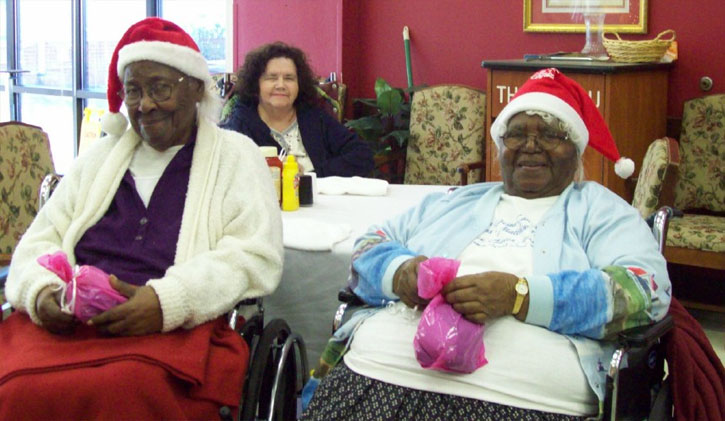
The Christmas season has been a busy and exiting time at the Century Care Center.
“We want to express our appreciation for this wonderful community, and all they do for our residents. I thought times would be tough, due to the economy. People were more generous than ever with their time and gifts. A big thank you from staff and residents at Century Care Center to all the generous and caring members of our community,” said Mae Hildreth, Century Care activities director.
Covenant Hospital provided goodies as well as arts and crafts projects during the “Covenant Hospice Social Hour”. Often, Century Care residents will make the crafts as gifts for hospice patients.
The Flomaton High School Beta Club performed Christmas carols and brings gifts for every resident. The Sensational Tones of Joy entertained and uplifted the residents.
There were lots of gifts provided by the community and staff, a visit with Santa Claus and Mary Kay gifts from Goodie Odom.
Century Care Center has also been visited during the Christmas season by many carolers and other visitors with cards and other gifts.
Click here for more pictures from Christmas celebrations and events at Century Care Center.
Pictured top: Celebrating Christmas as the Century Care Center. Pictured below: The Flomaton High School Beta Club at the Century Care Center. Submitted photos for NorthEscambia.com, click to enlarge.