

Riding With A Mission: Help Kids With Cerebral Palsy
November 25, 2011
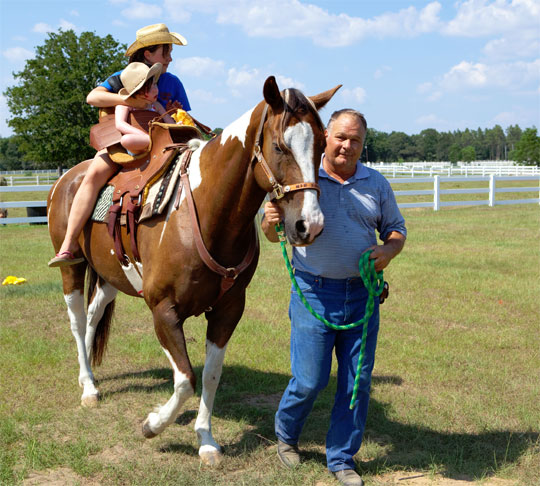

Skeet Davis and his big Paint horse, Boomer, are on a mission — thanks in part to a North Escambia area veterinarian and farrier. Although they are a competitive National Barrel Horse Association team, their hearts are devoted to helping kids with cerebral palsy. And now, they are working to raise funds for another saddle for kids with cerebral palsy.
Since 2004, Davis has been organizing benefit barrel races for United Cerebral Palsy, and every summer finds Skeet and Boomer at “Camp Smile” in Mobile, Alabama. There they brighten children’s lives by giving every child a ride on gentle Boomer. Equipped with a special custom-made saddle that provides increased support and security, these children — even those in wheelchairs — are able to experience the thrill of riding Boomer.
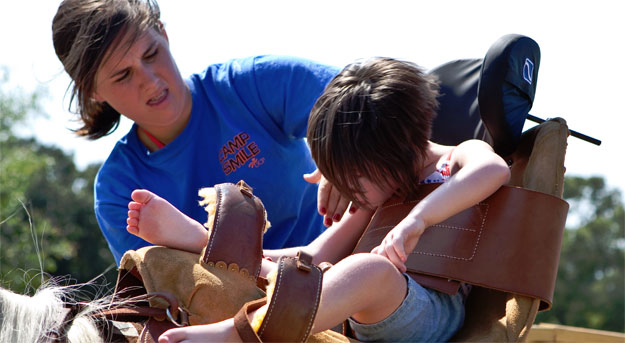 With the help of Camp Smile counselors, each child is gently secured into the saddle. Then Skeet leads Boomer around the campground, the horse stepping softly to provide smooth rides for his precious cargo. For Skeet, the father of three, this work has special significance; his youngest daughter has cerebral palsy.
Two freak accidents nearly destroyed the Davis and Boomer goodwill efforts. In October 2008, Skeet came home one day to find that Boomer wasn’t waiting for him at his usual spot. Something was wrong. Skeet found Boomer standing in the lane to the barn, and there was blood everywhere. Boomer had been playing with deer outside his fence line and caught his foot in the one strand of barbed wire that Skeet kept strung along the bottom of the fence to keep the coyotes from catching ducks in his pond. Boomer’s hoof was almost completely severed. Skeet immediately hauled his horse to Boomer’s vet in Grand Bay. Dr. McCoy x-rayed the foot, cleaned it and surgically removed two barbs that had become imbedded deep in the foot.
Boomer’s accident destroyed Skeet’s hopes to ride him in the 2008 National Barrel Horse Association World Championships in Augusta, Georgia. However, through the generosity of a friend, Skeet was able to compete on a borrowed horse. But, Skeet’s problems had only begun. On his second run in the show, a miscue between horse and rider sent Skeet crashing into the ground. He had sustained what is called an “open-book” hip fracture, one that kills more than 50% of it’s victims. Fortunately, the horse show was only minutes from a major teaching hospital with a world-renowned specialist in pelvic fractures. Skeet was in the right place at the right time. Working quickly, the medical team was able to save Skeet’s life and repair his hip. But, the severity of the injury was going to keep Skeet off horses for quite a while.
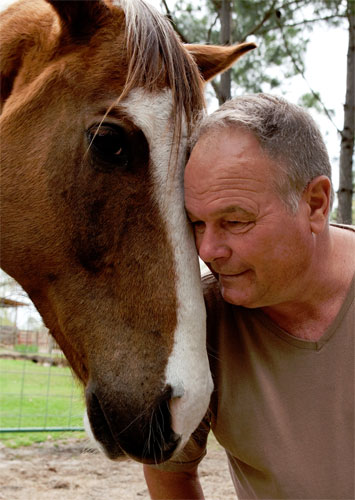 When Skeet was released from the hospital, he was determined to make sure that both he and Boomer were rehabilitated successfully. By January of 2009, Boomer was still very lame from his injury and Skeet was beginning to fear that he’d never be able to ride his horse again, much less continue their commitments to helping children with cerebral palsy.
But, fellow barrel racers urged Skeet to take Boomer to the Lee Veterinary and Podiatry Clinic in Atmore, Alabama. There, Dr. Hank Lee and certified journeyman farrier Jim LaClaire of Beulah have joined forces to diagnose and treat lame horses, combining astute diagnosis and surgical interventions with innovative horse podiatry. Every Friday, the clinic parking lot is full of stock and horse trailers who travel to see the vet-farrier team from as far away as Tallahassee and upper Alabama. Skeet hoped that something could be done for Boomer.
After examining the horse, the Lee Clinic team had an answer. They constructed a therapeutic shoe for Boomer, filling in the lost hoof wall with epoxy. They had essentially created a partially artificial foot to evenly support Boomer’s weight while his natural hoof wall recovered and regrew. With his new foot and shoe, Boomer was ready to get back into action. It took Skeet a little longer to heal, but now they are both back to barrel racing. Best of all, they have returned to their mission of giving children with cerebral palsy a chance to ride.
Boomer’s recovery from his disastrous injury is testimony to the love of his owner and the cutting-edge experience of the Lee Veterinary and Podiatry Clinic. As for Skeet, he’s doing what he’s always done; he makes plans and continues his mission. Currently, he is working to raise $2,100 to buy another custom saddle, so that more these special needs children can enjoy the thrill of riding a horse. Donations would be welcome; contact Skeet Davis at (251) 401-7978. He and Boomer can be found at 14775 Burnham Road in Grand Bay, Alabama, 36541.
Story and photographs by Janice M. LeCocq, freelance writer and photographer, Century.
Photos: North Escambia Turkeys
November 24, 2011
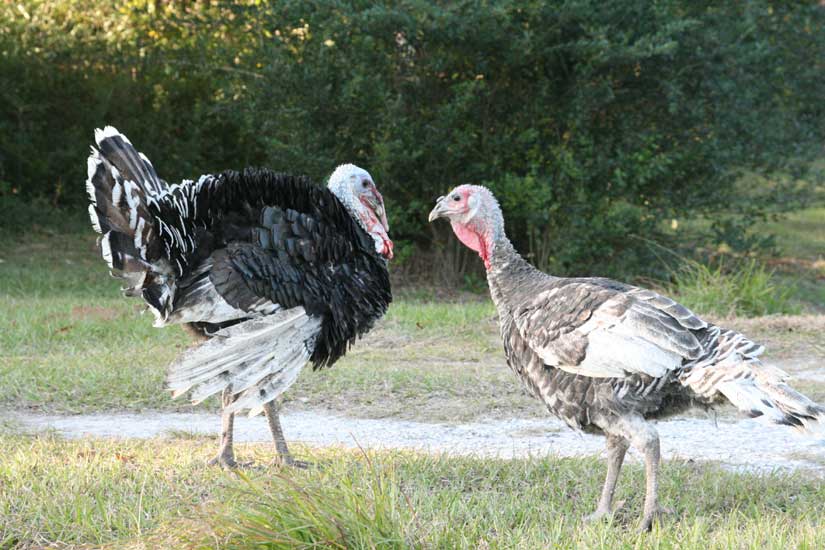
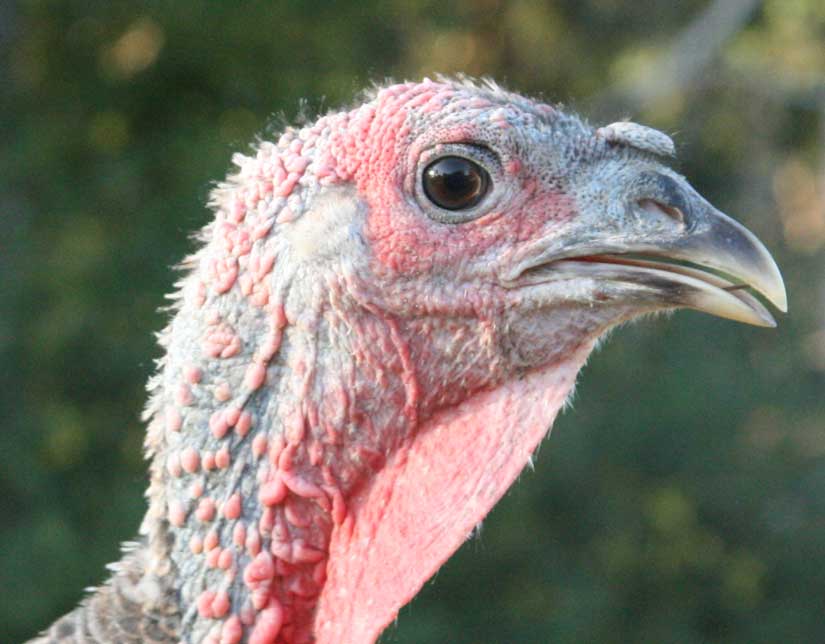
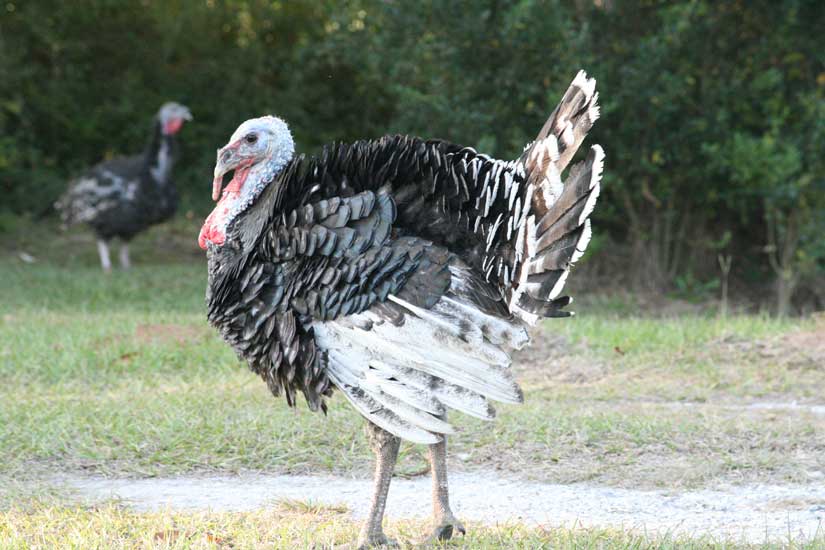
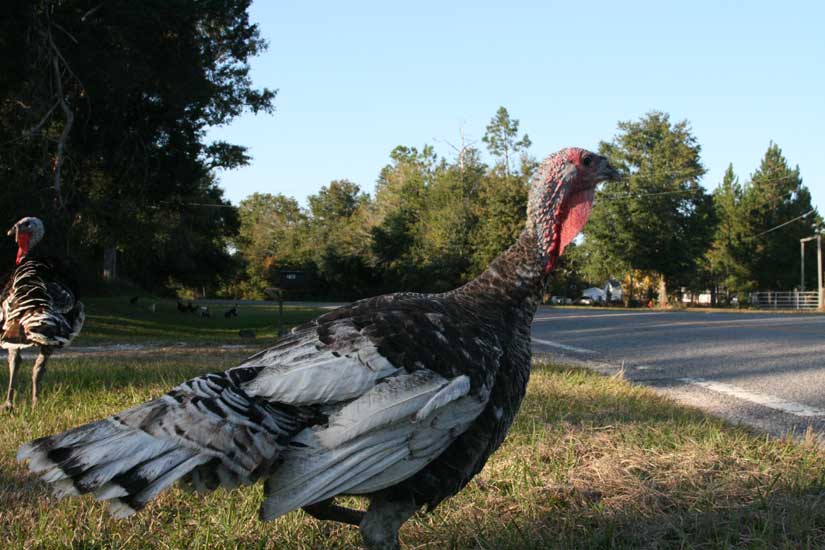
These turkeys were spotted by our photographer about a year ago near Molino. They were alongside South Highway 99 near Crabtree Church Road. There’s no word on how the turkeys spent their Thanksgiving.
Pictured above: A couple of turkeys next to Highway 99 near Molino. Pictured below: A face only a mother could love. Pictured below middle: Showing off. Pictured bottom of page: Why did the turkey cross the road? NorthEscambia.com file photos, click to enlarge.
Turkey Time: Cooking Safety
November 24, 2011
It’s Thanksgiving, time for family and friends to gather and give thanks. And time for cooks to ponder the correct way to prepare their turkey.
Today, we are taking a look at the proper way to cook your turkey with tips from Dorthy Lee, Family and Consumer Sciences Agent for the Escambia County Extension Office.
Clean
Begin every meal preparation with clean hands, and wash hands frequently to prevent any cross contamination. As a rule, hands that have come in contact with raw meat or poultry should be washed for twenty seconds in hot, soapy water.
Separate
Raw meat and poultry products may contain harmful bacteria, so make certain that the juices from those products do not come in contact with food that will be eaten without cooking, like the salad. Also, never place cooked food on an unwashed plate that previously held raw meat or poultry.
Cook
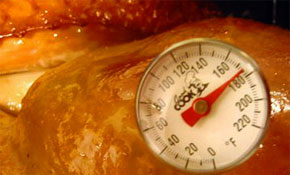 Use of food thermometer should be a standard operating procedure in your kitchen and, when used correctly, will ensure that your turkey is cooked to perfection. To be safe, the
temperature of a whole turkey should reach 180°F between the breast and the innermost part of the thigh.
If you stuff your turkey, the center of the stuffing must reach 165°F. If the stuffing has not reached 165°F, then continue cooking the turkey until it does. Let the turkey stand twenty minutes after removal from the oven before carving.
Chill
This is another important step because food-borne bacteria can grow while food sits unrefrigerated. Refrigerate or freeze perishable leftovers within two hours of cooking. To prepare your leftovers, remove any remaining stuffing from the cavity and cut turkey into small pieces. Slice the breast meat. Wings and legs may be left whole. Refrigerate stuffing and turkey separately in shallow containers.
Use or freeze leftover turkey and stuffing within three to four days, gravy within one to two days. Reheat thoroughly to a temperature of 165°F, or until hot and steaming.
For more information, call the Escambia County Extension office, (850) 475-5230.
Photos: Camp Fire Kids Celebrate Thanksgiving With Feast
November 24, 2011
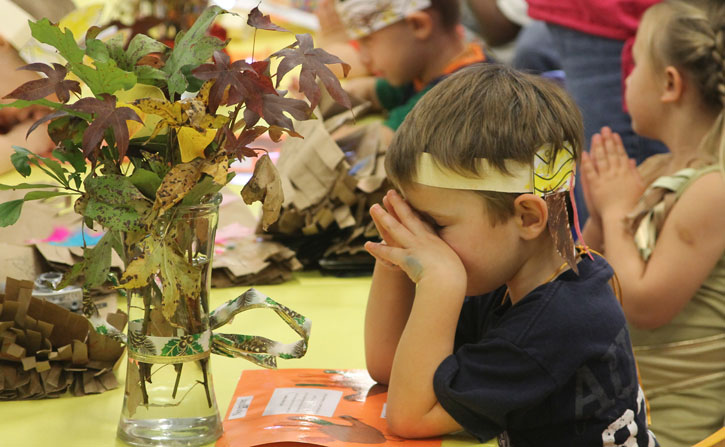
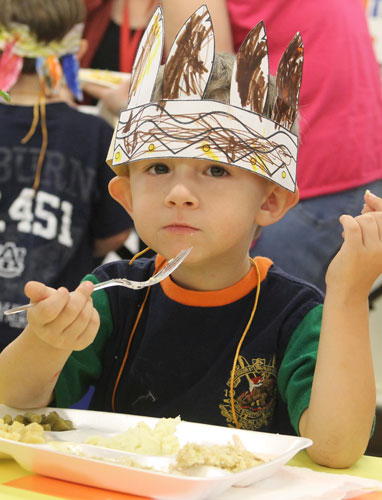
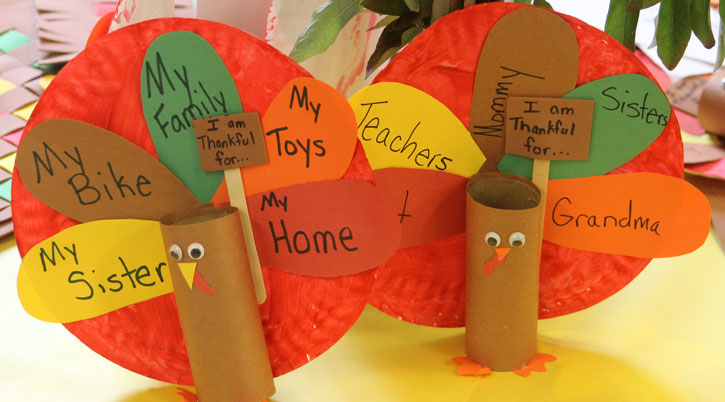
Camp Fire USA Century Youth Learning Center held a Thanksgiving feast this week for children and their parents. The daycare’s children, many dressed as Pilgrims or Native Americans, enjoyed a full Thanksgiving meal. Handmade toilet paper roll turkeys proclaimed some of the items that the children are thankful for, including moms, dads, siblings, other family, teachers, toys, God, pets and food.
For a photo gallery from the event, click here.
Pictured: Children enjoy a Thanksgiving feast at the Camp Fire USA Century Youth Learning Center earlier this week. NorthEscambia.com photos, click to enlarge.
Featured Recipe: Sweet Potato Marshmallow Swirl Cheesecake
November 23, 2011
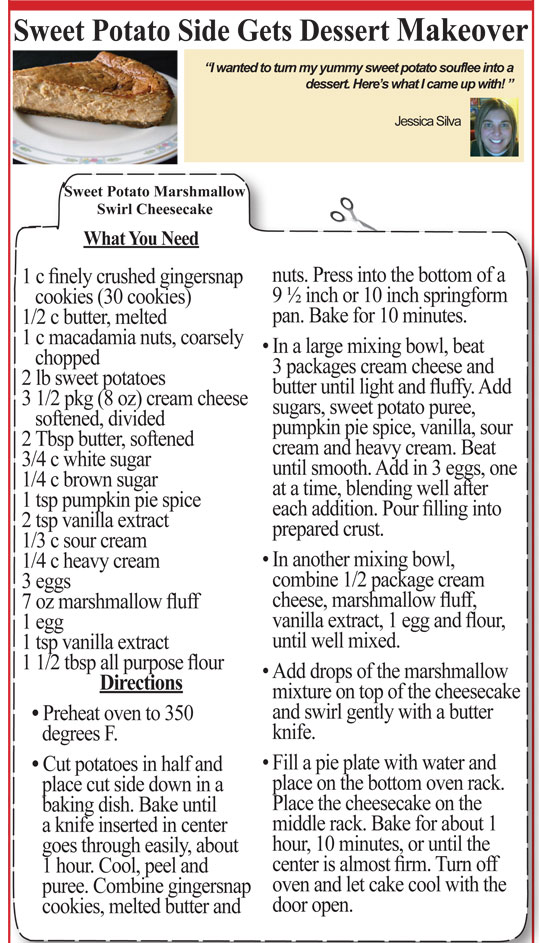
As Thanksgiving approaches, we are featuring recipes on NorthEscambia.com this week. Today’s featured recipe, from columnist Janet Tharpe is a Sweet Potato Marshmallow Swirl Cheesecake.
Molino Park Reflections Art Program Awards Presented
November 22, 2011
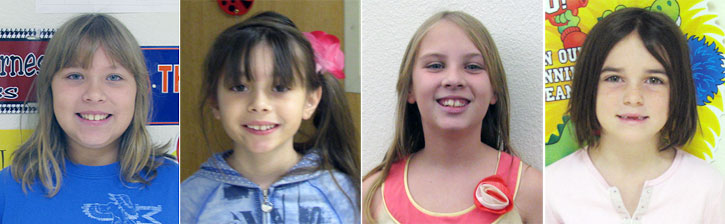
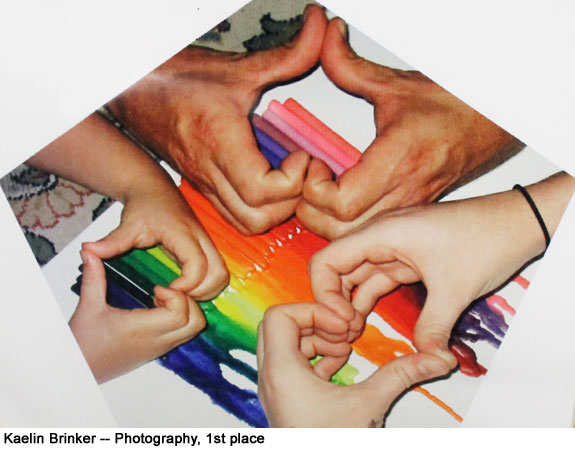
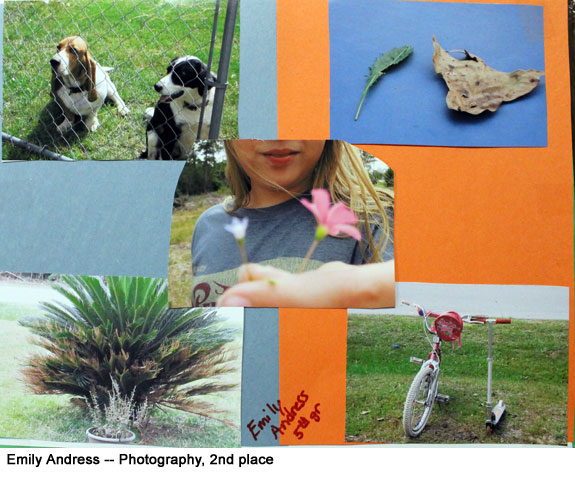
Four Molino Park Elementary School students were awarded for their work in the school’s annual PTA Reflections Art Program recently. Winners were: Teagan Andress, Visual Arts, 1st place; Lainey Pace — Film Production, 1st place; Emily Andress — Photography, 2nd place; Kaelin Brinker — Photography, 1st place.
Each student’s work of art is below, including a video at the bottom of the page from the film production category.

Featured Recipe: Those Thanksgiving Potatoes
November 22, 2011
Our Thanksgiving week recipe series continues today with a dish simply named “Those Potatoes”. It’s a great last-minute dish to put together in time to take to grandma’s house for the big dinner. And even an inexperienced cook can pull this one off in impressive fashion.

Turkey Time: Extension Service Offers Thawing Tips
November 21, 2011
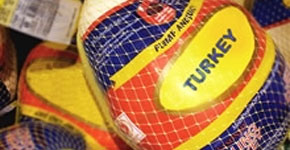 It’s Thanksgiving, time for family and friends to gather and give thanks. And time for cooks to ponder the correct way to prepare their turkey.
Today, we are taking a look how to make sure your turkey is properly thawed with tips from Dorthy Lee, Family and Consumer Sciences Agent for the Escambia County Extension Office.
Following four simple food-handling practices—clean, separate, cook, chill—will ensure a delicious and safe meal.
Frozen turkeys should be thawed—at a safe temperature— prior to cooking. There are three safe ways to thaw a turkey — in the refrigerator at 40°F or less; in cold water; and in the microwave.
Frozen Turkeys
Allow 1 pound of turkey per person.
Keep frozen until you’re ready to thaw it.
Turkeys kept frozen in the freezer should be cooked within one year for best quality.
Thawing Your Turkey
In the Refrigerator (40°F or below)
Keep the turkey in its original wrapper. Place it on a tray or in a pan to catch any juices that may leak. A thawed turkey can remain in the refrigerator for 1 to 2 days. If necessary, a turkey that has been properly thawed in the refrigerator may be refrozen. When thawing in the refrigerator, allow 24 hours thawing time for every 5 pounds of turkey.
4 to 12 pounds = 1 to 3 days
12 to 16 pounds = 3 to 4 days
16 to 20 pounds = 4 to 5 days
20 to 24 pounds = 5 to 6 days
In Cold Water
When thawing in cold water, allow 30 minutes per pound and change the water every 30 minutes until the turkey is thawed. Wrap your turkey securely, making sure the water is not able to leak through the wrapping. Submerge your wrapped turkey in cold tap water. Change the water every 30 minutes. Cook the turkey immediately after it is thawed. Do not refreeze. Allow approximately 30 minutes per pound.
4 to 12 pounds = 2 to 6 hours
12 to 16 pounds = 6 to 8 hours
16 to 20 pounds = 8 to 10 hours
20 to 24 pounds = 10 to 12 hours
In the Microwave
When thawing in the microwave, follow the manufacturer’s instructions, and plan to cook the turkey immediately after thawing because some areas of the turkey may become warm and begin to cook during microwave thawing.
For more information, call the Escambia County Extension office, (850) 475-5230.
Featured Recipe: Quick And Easy Thanksgiving Cranberry Cake
November 21, 2011
As Thanksgiving approaches, we’ll feature several recipes on NorthEscambia.com this week. Today’s featured recipe, from columnist Janet Tharpe, is a Quick and Easy Cranberry cake that packs a punch while using a yellow cake mix.

Farm-City Week Recognizes Importance Of Local Agriculture
November 20, 2011
Residents of northwest Florida will have an opportunity to get closer to their food this Thanksgiving.
That’s because the week of Thanksgiving is National Farm-City Week. Local communities across America will be celebrating and spreading agricultural awareness through this annual movement, which focuses on connecting rural and urban dwellers.
The movement is sponsored by the National Farm-City council, which has been dedicated to organizing the event since 1955.
In recent years local events for Farm-City Week have been coordinated by a community partnership located in Santa Rosa County.
 “We got involved back in 2010 to raise awareness about the value of agriculture to our local region,” University of Florida’s West Florida Research and Education Center Director and Professor Dr. Jeff Mullahey states.
This will be the second year that the center has partnered with community organizations like the Bay Area Food Bank to sponsor a food distribution event that provides Thanksgiving dinner to resource-limited families in the area. The Bay Area Food Bank manages the pre-qualification process for families hoping to benefit from the event, while the center organizes food donations and harvest. The Santa Rosa County Extension Service will provide recipes and instructions on how to prepare the locally grown produce. , which will take place the Tuesday of Thanksgiving week.
“Some of the food is locally grown, which is really nice,” Mullahey continues. This year local produce will be provided by Barnhill Farms and Steve’s Farm.
Mullahey states that the main goal for the Farm-City Week is to “create more awareness about the importance and value of agriculture in northwest Florida, and to promote the benefits of agriculture as more than a source of food and fiber.”
While the healthcare and military industries may be the most visible in our regional economy, agriculture remains a top player. According to a 2008 study conducted by the University of Florida agriculture and natural resources directly provided 44,249 jobs to the northwest Florida region (consisting Escambia, Okaloosa, Santa Rosa and Walton counties). For perspective, compare that number to the estimated population of 51,923 within Pensacola city limits.
The study goes on to state that for every $1 million of revenue created by agriculture and natural resources, the industry creates 13.72 jobs. In 2008 the industry created over $357 million in revenue, roughly a quarter of which was paid out as labor income.
 Part of the Farm-City movement is to encourage local communities to spend locally, by getting to know local farmers and purchasing local produce. By buying local produce, consumers can ensure that more money stays in the area. Buying locally also reduces the overall cost of food and production, which increases with every mile the food travels from producer to consumer. Shipping and processing are two unseen costs that raise the price of imported produce, while local produce either cuts down or cuts out these costs.
Consumers are also encouraged to educate themselves about where their food comes from and how it is produced by local farmers in NW Florida. Locally grown food is sold at farmers markets, roadside stands, retail markets, and on-line.
Agriculture creates jobs, adds money to the local economy and provides environmental benefits, like green space, that improve the quality of life in northwest Florida.
“Not to mention,” Mullahey adds, “agriculture feeds us three times a day and provides clothes for our family.”
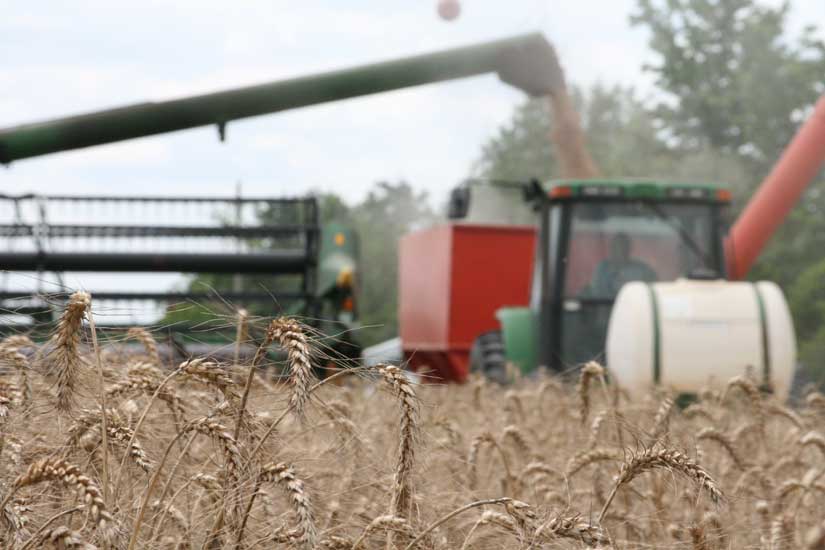
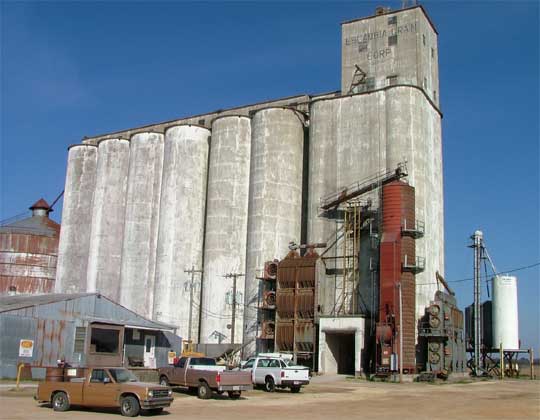
Pictured top: Wheat is one of the crops produced in North Escambia. Pictured inset: Escambia Grain in Walnut Hill. NorthEscambia.com file photos, click to enlarge.