
Youth On A Mission
August 5, 2012
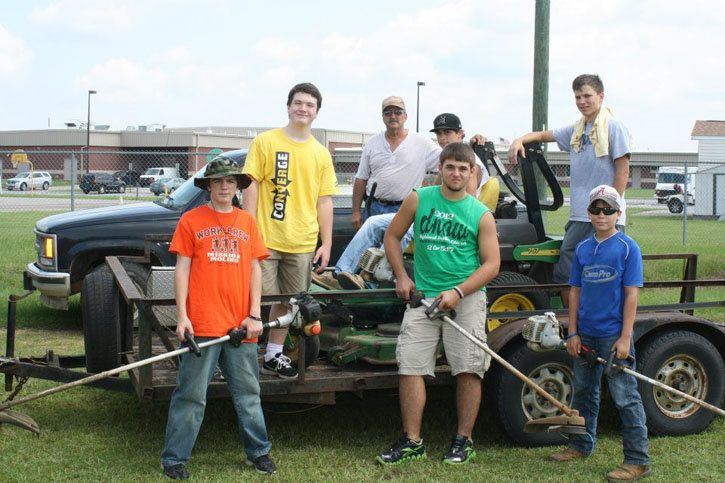
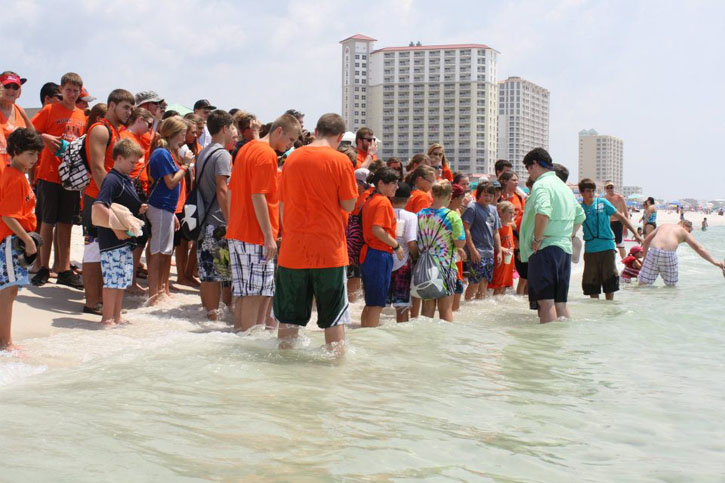
Youth from a Texas church teamed up with youth from a Molino church last week on a mission to make an impact across Escambia County.
Over 100 youth and their adult leaders from Highland Baptist Church in Molino and Friendship Baptist Church of Cleburne, TX, worked together and served in “Mission Molino” from Molino to Pensacola Beach.
For a photo gallery, click here.
 On the first day of Mission Molino, the youth teamed up with Barefoot Ministries of Gulf Shores at Pensacola Beach. The youth passed out free water with Gospel tracts, gave away free Bibles and New Testaments, shared the Gospel with salvation bracelets, painted faces and even held a Bible story sand sculpting contest.
The second day of Mission Molino saw the youth working at Molino Park Elementary School. They help prepare the campus for the first day of school by moving items, cleaning, sweeping, washing windows, pulling weeds and many other tasks to prepare Molino Park for the return of students.
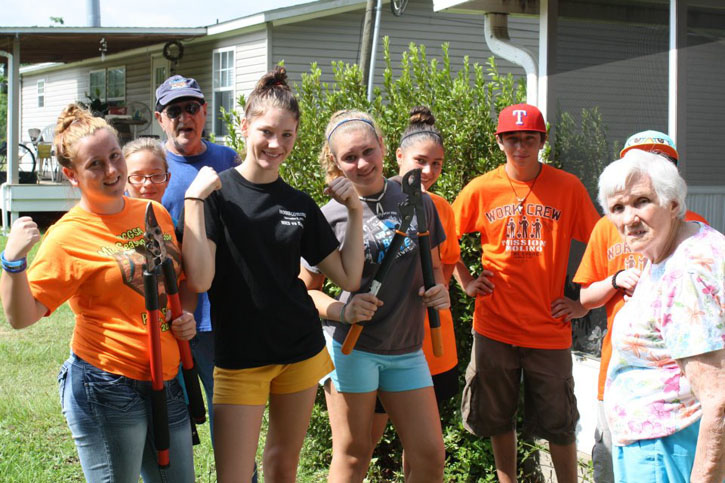
One the third day, the youth worked at the homes of widowed and elderly residents around Molino. The youth performed yard work, planted flowers, trimmed trees and shrubs and more.
Mission Molino concluded with the Highland members showing their Texas friends some of the local sites — Ft. Pickens and the Naval Aviation Museum, along with some beach fun — including a Beach baptism service.
Each evening of the week, the students enjoyed a meal prepared by Highland volunteers and a time of worship.
Pictured top: Mission Molino students work to beautify the campus at Molino Park Elementary School. Pictured inset: The students worked around the homes of elderly community members. Pictured below: Mission Molino students at Pensacola Beach. Submitted photos for NorthEscambia.com, click to enlarge.
Flomaton Lions Flip Pancakes For School Uniforms
August 5, 2012
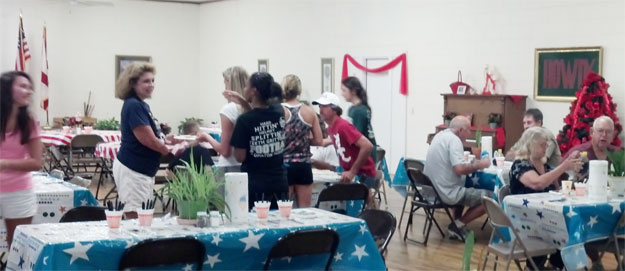
The Flomaton Lions Club is turning pancakes into dollars to purchase school uniforms for needy Flomaton students. The club will present a check for uniforms following a pancake supper fund raiser. The supper was coordinated by the Flomaton Lions Club and new LEO Club at Flomaton High School. Submitted photo for NorthEscambia.com, click to enlarge.
Church Youth Fly High, Cruise Bratt (With Gallery)
August 2, 2012
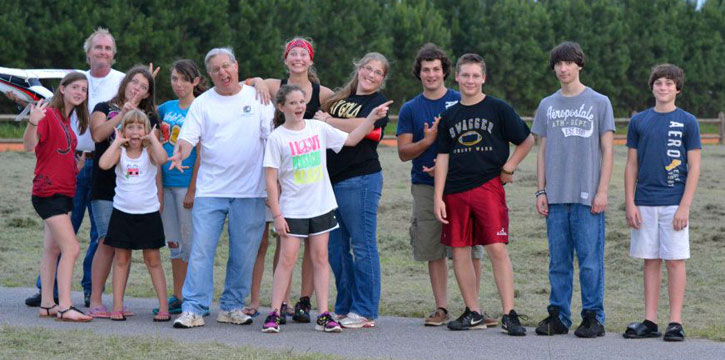
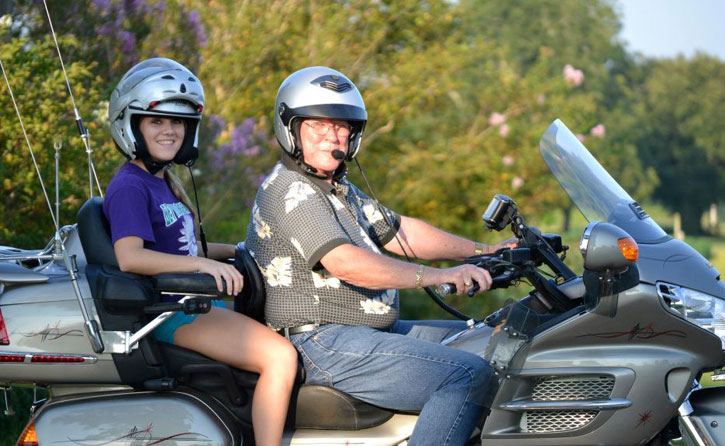
 Youth at the First Baptist Church of Bratt hit the road, and the skies, Wednesday evening.
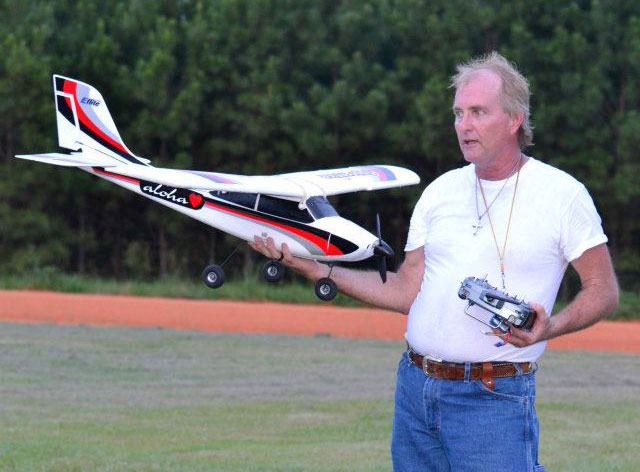
The youth road motorcycles with church leaders, and flew model airplanes from the Travis M. Nelson park near the church. Afterwards, the group volunteered to paint a portion of the church parsonage.
Pictured top: A candid photo of a youth group at the First Baptist Church of Bratt after flying a model plane at a Bratt Park. Pictured inset: Church member Greg Wilson explains his model plane. Pictured below: Ashley Mooney and Interim Pastor Jerry Kaylor prepare for a spin Wednesday evening. Photos by Marcella Green Wilson for NorthEscambia.com, click to enlarge.
Operation Overboard: VBS At Aldersgate Molino (With Gallery)
August 2, 2012
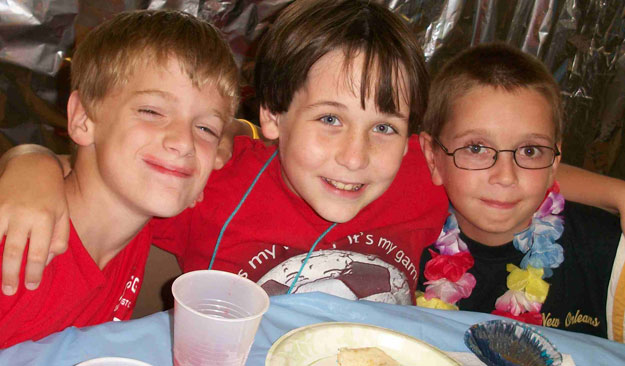
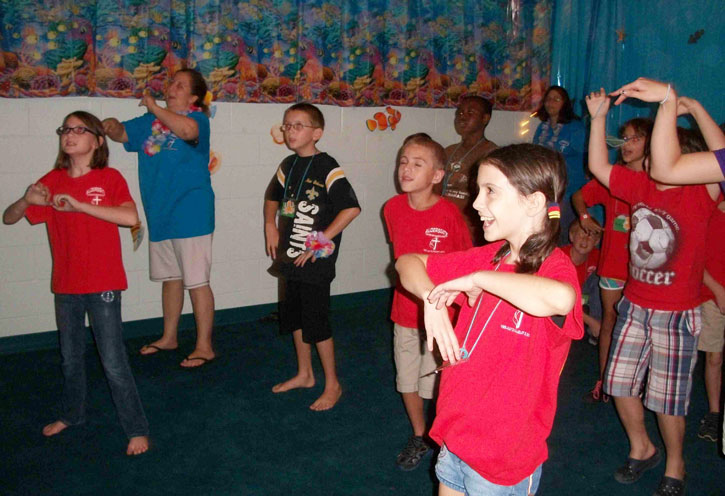
 Vacation Bible School is underway this week at Aldersgate United Methodist Church in Molino.
The “Operation Overboard” VBS will continue with activities Thursday and Friday evenings from 5:30-8:30 for ages 3 to rising fifth graders. VBS will conclude with an ice cream social and closing ceremonies on Saturday, August 4 from 5-7 p.m.
For a photo gallery, click here.
Submitted photos for NorthEscambia.com, click to enlarge.
Dates Announced For Next Year’s Beulahfest
August 2, 2012

 Mark your calendars now…the dates have been announced for the 27th Annual Beulahfest.
The event will take place March 15-16, 2013, at the Escambia County Equestrian Center. Entertainment will, as always, feature local and regional bands plus top country stars. The headline acts will be named at a later date.
Over 75 vendors are expected at the 2013 Beulahfest, selling arts and crafts and other merchandise.
Organizers also announced that “surprise changes” are coming to Beulahfest that will be announced soon.
Pictured: Performances at last year’s Beulahfest from Rodney Atkins (above and inset) and Travis Tritt (below). NorthEscambia.com file photos, click to enlarge.

Drought Means Pain At The Grocery Checkout
July 29, 2012
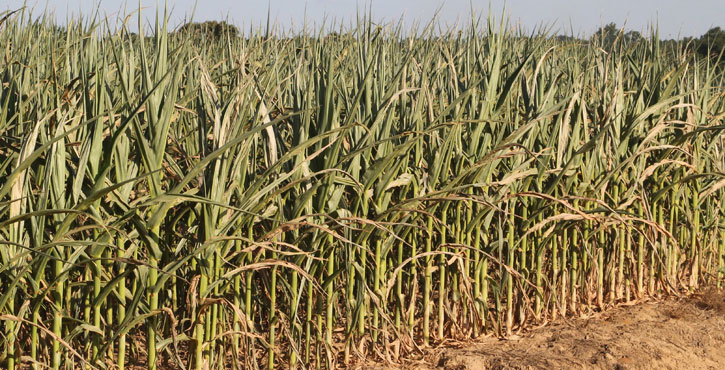
Economists say food prices are likely to rise in the coming months in the wake of record-breaking temperatures and drought in the major corn and soybean producing regions of the U.S.
 Despite early predictions of a record corn crop, estimates have plummeted after a string of record-high temperature days and dry conditions stretching across the Midwestern farm states.
The USDA is predicting that meat prices will rise, with beef and veal expected to increase in price 3.5 to 4.5 percent during the remainder of the year. Beef prices are currently 6.9 percent higher than this time last year, with steak prices up 8.1 percent and ground beef prices up 7.3 percent. In the short term, beef prices are forecast to actually fall a bit, as increased feed prices force producers to decrease herd sizes and, in turn, increase the beef supply.
The USDA is forecasting an increase of 3.5 to 4.5 percent in chicken and turkey prices, also due to higher feed prices.
Consumers can expect to pay more for cheese and milk, with dairy prices seeing an anticipated 3.5 to 4.5 percent jump. Eggs are forecast to rise about 2 percent in price.
Cooking and vegetable oil, with soybeans as the main ingredient, are forecast by the USDA to rise 4 to 5 percent in price in 2012.
There’s one bright spot in the consumer price forecast from the USDA. Since last year at this time, fresh vegetable prices are down 3.6 percent, with potato prices down 3.4 percent, lettuce prices down 6.4 percent, tomato prices down 6.9 percent, and other fresh vegetable prices down 1.8 percent
“We need rain, and it doesn’t look like we’re going to get it,” says Iowa State University economist Dermot Hayes.
Pork and chicken prices will go up, as well as beef, milk and eggs, because corn and soybeans are key ingredients in animal feed.
Pictured top: Corn in Walnut Hill suffers the effects of drought earlier this year. The area has since received significant rainfall. NorthEscambia.com photo, click to enlarge.
Ride Benefits Tate Student Battling Rare Form Of Cancer (With Photo Gallery)
July 29, 2012

A benefit motorcycle ride was held Saturday for Halee Boyd, a 17-year old Tate High School student battling cancer.
Halee is fighting Alevola Rhabdomyosarcoma , ARMS for short, a rare cancer of the muscles that are attached to the bones. There are only a few hundred new cases per year in the United States. She is undergoing regular treatments at Shands Children’s Hospital at the University of Florida in Gainesville..
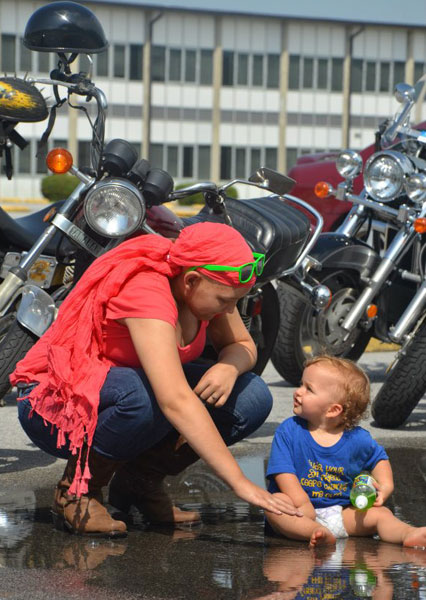 Saturday, Halee was along for the ride, her smile outshining her fluorescent green sunglasses as the motorcycles traveled from Tate High to Walnut Hill and back to a lunch at Heritage Baptist Church in Cantonment.
For a photo gallery, click here.
In April, Halee started having severe headaches, followed by blurry and double vision. Within 10 days her right eye was swollen, and the Boyds headed to a hospital emergency room. On April 29, they learned she had a tumor.
“It is still hard to hear myself say that she has cancer, the words catch in my throat and tears well up in my eyes and my heart stops. It’s not that it’s affected my life so much; it’s that from April 29, 2012, her life changed so drastically in a hallway in an emergency department,” her mother Mardi said in an earlier interview.
“I think it is just surreal,” Mardi added. “It all seems like a bad dream, I just get up each day and get through it and lean on my faith in God. I have been through some things in life that were bad, but those all made me strong enough to face this. Halee is incredibly strong and we are able to feed off of that.”
Halee does not currently have health insurance. Donations are also being accepted for Halee through the family’s church, Heritage Baptist Church, 3065 Highway 297A, Cantonment, (850) 478-3316.
Pictured top: Tate High student Halee Boyd on a motorcycle ride benefiting her medical expenses as it passes through Walnut Hill. Pictured inset: Halee talks to a young friend waiting for the start of the ride Saturday morning at Tate High School. NorthEscambia.com photos, click to enlarge.
Tate High photos contributed by Kristi Smith for NorthEscambia.com.
Photos: King Of The Jungle In Molino
July 29, 2012

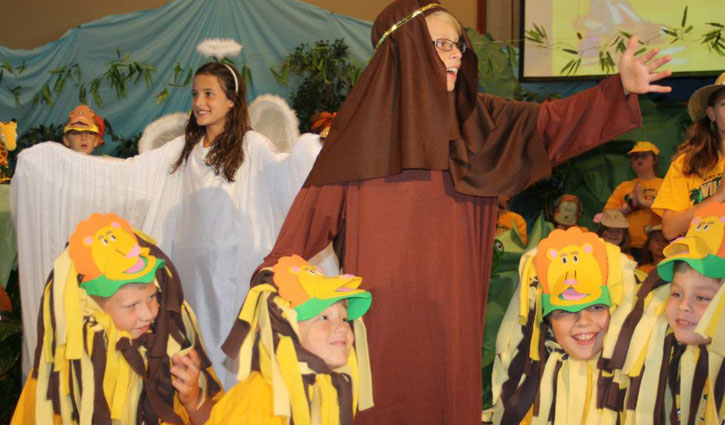
Children at Highland Baptist Church presented “King of the Jungle” Sunday evening The children attended a daily music camp last week — Camp Quarternote — to prepare for the presentation.
Pictured: Scenes from “King of the Jungle” at Highland Baptist Church. Submitted photos for NorthEscambia.com, click to enlarge.
A Hero’s Welcome: Hundreds Welcome Wounded Marine Home (With Photo Gallery)
July 28, 2012
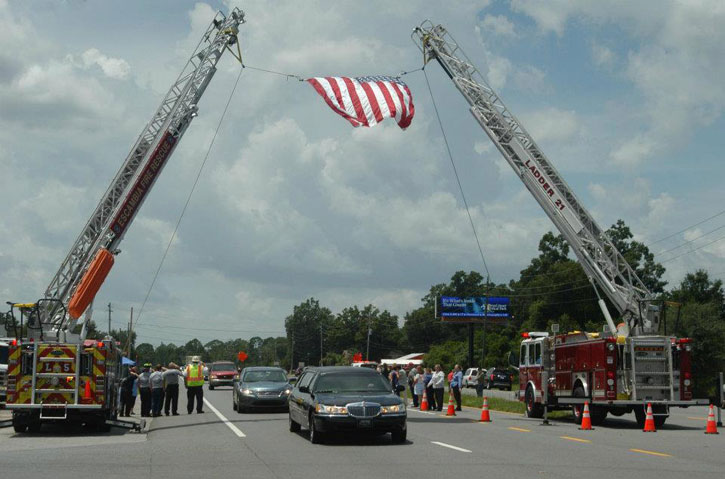
A local Marine was given a hero’s homecoming Friday morning in Pensacola.
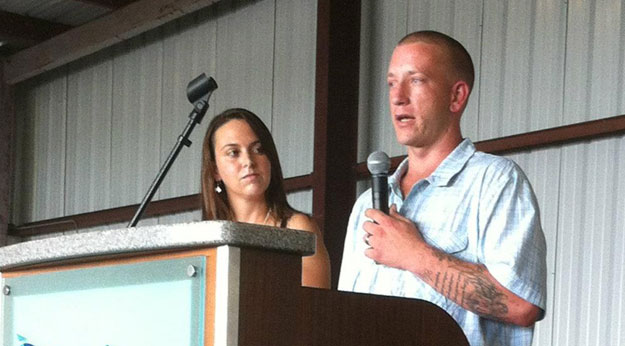
 Lance Cpl. Joseph Daniel Palmer, along with his wife Becky and his two young children, arrived at Pensacola Aviation just after 11:00 this morning to a large crowd of well wishers, many dressed in patriotic clothing and waving American flags.
“I wasn’t expecting this many people to be here,” Palmer said as he addressed the crowd. “It’s awesome to see that I’m coming home to a community that actually cares.”
“It lifts my spirit, and I know it probably lifts my wife’s spirit as well. All I can say, really, is thank you for your support,” the 26-year old Marine said. “Stay in the fight. Because there’s still Marines over there doing the same thing I was doing and going to come back the same way I come back. Keep them in your prayers. If you see them on the street, don’t hesitate to come say hello.”
“It’s just a blessing. We feel very, very blessed…to be able to come home,” he said, looking at his wife Becky and choking back tears. “Just thank y’all.”
For a photo gallery, click here.
Dignitaries including Congressman Jeff Miller, Pensacola Mayor Ashton Hayward, Santa Rosa Commissioner Don Salter and Milton Mayor Guy Thompson were on hand to welcome Palmer and his family back to the area. After the ceremony, a motorcade led by law enforcement at the Patriot Guard traveled to a newly renovated home for the Palmers at the Whiting Pines military housing in Milton. The first three months of rent at the home will be paid by the Santa Rosa Veterans Memorial Foundation.
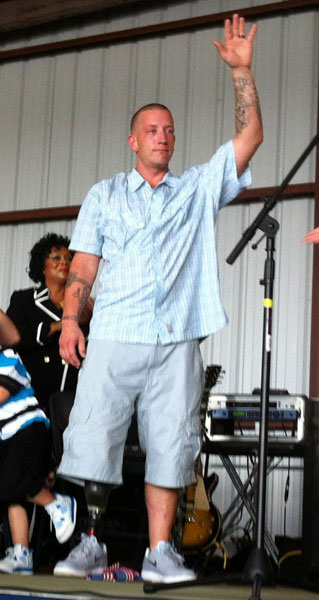
Palmer suffered extensive combat related injuries in Afghanistan. His right leg was amputated below the knee, and he endured more than a year of medical rehabilitation in North Carolina.
Palmer is a 2004 graduate of Central High School. He joined the Marines in October 2008 and was deployed to Afghanistan in January 2010. He has several relatives in the North Escambia area, including his sister.
Pictured: Lance Cpl. Joseph Daniel Palmer and his family returned home to Pensacola just after 11:00 Friday morning. Photos for NorthEscambia.com, click to enlarge. Photos include reader submitted photos from WEAR 3, Shaun Moye, Kristi Smith and P.C. Wu.
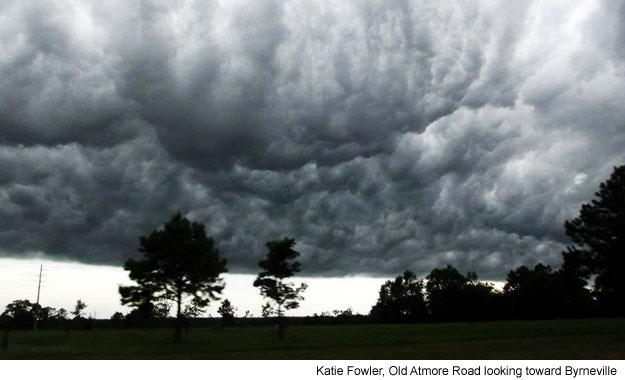
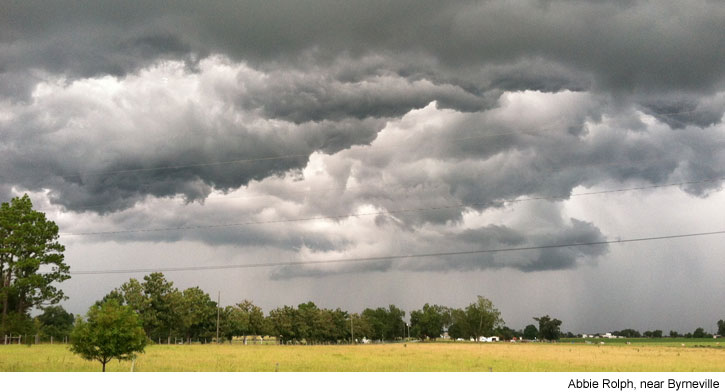
Photos: Storms Clouds Roll
July 28, 2012
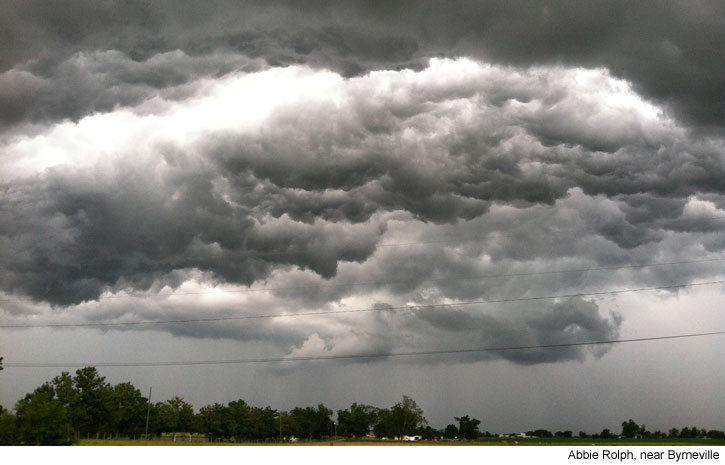
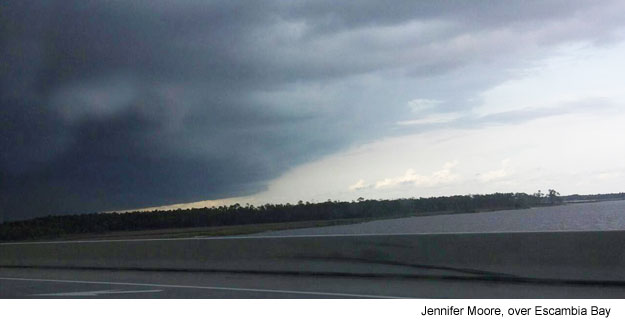
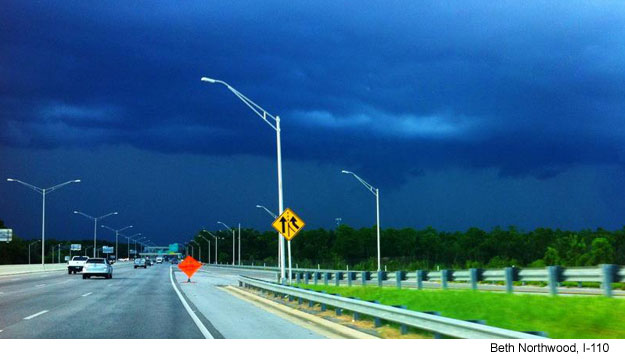
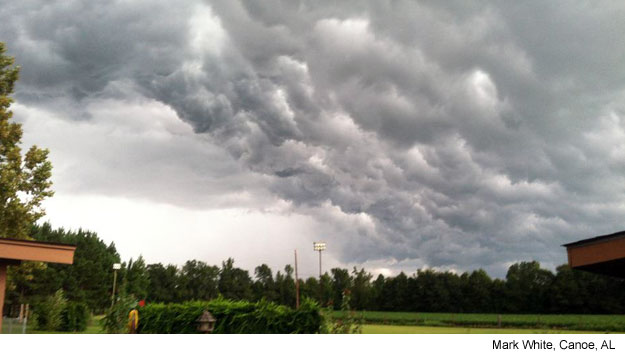
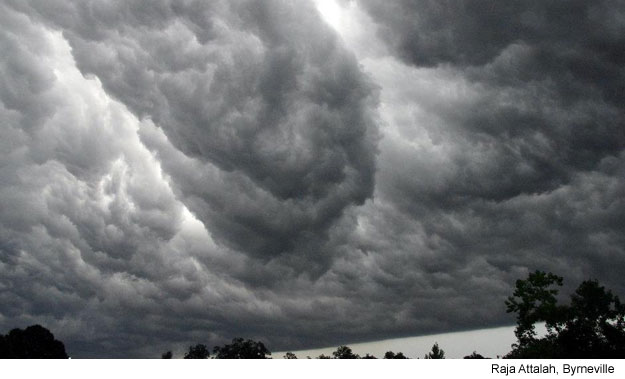
NorthEscambia.com received numerous reader-submitted photos of rather unique cloud formations moving across the area Friday evening. Click any of the images on this page to enlarge. Reader submitted photos for NorthEscambia.com, click to enlarge.