

Report: Number Of Uninsured Children In Florida On The Way Down
November 21, 2013
In the ongoing saga about health insurance, there is a glimmer of hope in Florida. The number of uninsured children in the state is heading in the right direction – down 14 percent since 2010.
That’s according to a report released Tuesday by the Georgetown University Center for Children and Families. Medicaid coverage for children and the Children’s Health Insurance Program (CHIP) both have made a big difference, said Leah Barber-Heinz, chief executive of Florida CHAIN, a group working to improve access to health care.
 “That’s good news, and we’re continuing to see those numbers go down,” she said. “We still have an estimated 436,000 children going without health insurance, so there’s definitely room for improvement.”
Florida still has a higher rate of uninsured children than the national average. A national poll released with the report indicates almost nine out of 10 people believe all children in their state should have health coverage.
In Florida, said Joan Alker, executive director of the Georgetown Center, the Latino community has the highest percentage of uninsured children, at about 38 percent. She said language barriers for parents and the need for outreach help explain the disproportionate number lacking coverage.
“We may be seeing children who are in mixed-status families, where the children are citizens but their parents may be immigrants,” she said. “We may have families, if there are immigrant parents, who are very reluctant to engage with the government and, indeed, fearful to engage with the government.”
Another barrier in Florida is that lawfully residing immigrant children have to wait five years before they are eligible for coverage. Barber-Heinz said she and others are hoping to change that in the next legislative session.
“When children are not healthy and they’re not able to go to school ready to learn,” she said, “everybody ends up absorbing costs of an unhealthy society.”
Florida also is one of six states that has yet to decide whether to opt into the Medicaid expansion provided under the Affordable Care Act. According to the Georgetown report, providing coverage to lower-income parents makes it more likely that their children’s health needs are being met as well.
By Stephanie Carroll Carson, Florida News Connection
Pictured: Rep. Jose Felix Diaz is among the sponsors of a KidCare Immigrant Bill in the upcoming Florida legislative session. It would eliminate the five-year waiting period for some immigrant children to obtain health insurance. Submitted photo for NorthEscambia.com, click to enalrge.
Get Your Turkey Fried For A Donation To The Miracle League
November 20, 2013
Want a fried turkey but afraid to try it yourself? Volunteers from the Miracle League of Pensacola will fry your turkey for you on Wednesday, November 27, saving you the time and trouble while benefiting the charity.
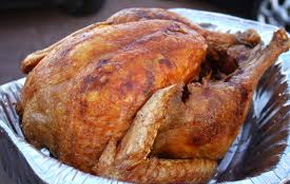 Completely thaw your turkey, removing all of the inside packaging and giblets. Write down exactly how much your turkey weighs so it is fried perfectly and take it to the Miracle League Park at 555 East Nine Mile Road from 7 a.m. until 5 p.m. on Wednesday. For a monetary donation to Miracle League, the volunteers will fry your turkey to perfection. A minimum of $20 per turkey is necessary to help cover costs.
Appointments are encouraged. Call (850) 476-1650 to schedule your time.
Alger-Sullivan Society Honors Old 100 Train Restoration Volunteers
November 19, 2013
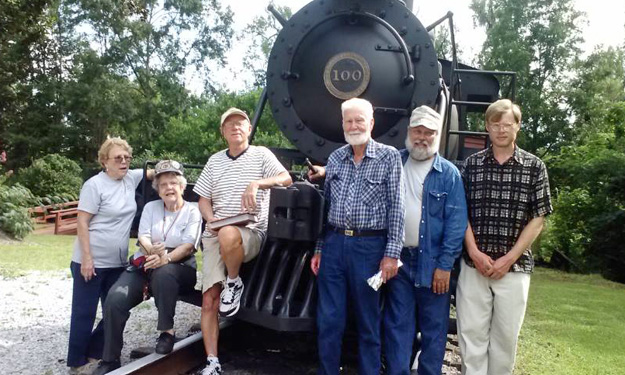
The Alger-Sullivan Historical Society recently held a fish supper honoring the volunteers who worked tirelessly to restore their Old 100 engine.
The steam locomotive, a Baldwin 2-6-2, was built in 1919 and purchased by the Alger-Sullivan Lumber Company in 1923, was a fixture in the town of Century from the mid-1930s until 1954 when it was retired.
There were several Alger-Sullivan members and non-members alike who gave of their time, resources and skills to accomplish what has turned into an apt memorial to the memory of the glory days of the mill, the town and its residents.
Pictured top: The crew responsible for the restoration of the Alger-Sullivan Historical Society’s Old 100 train (L-R) Jewel Warren, Margaret Collier, Jerry Fischer, Harold Warren, Bobby Warren and Jed Warren. Not pictured: T.C. Jordan. Courtesy photo. Pictured below: The Old 100 sits at the Alger-Sullivan Historical Park on Jefferson Avenue in Century. NorthEscambia.com photo, click to enlarge.

Solari Places Second In State Farm Bureau Speech Contest
November 19, 2013
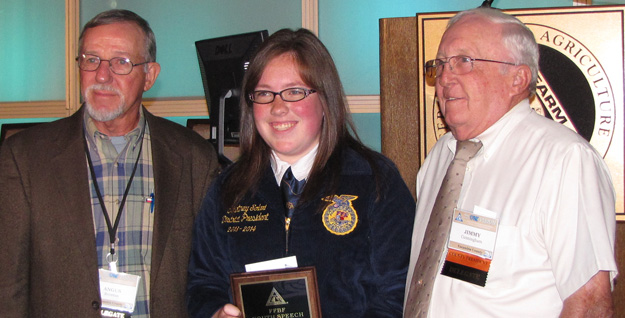
Northview High School senior Courtney Solari of Molino placed second in the state in the Florida Farm Bureau Youth Speech Contest in Ponte Vedra Beach. She competed against seven other district winners from across the state.
Solari was named the Escambia County Farm Bureau winner in late August and the district winner in September.
Students between 14-18 years old were invited to take part in the contest, delivering a speech about five minutes long on the topic ““Over the past 500 years, how has technology influenced Florida agriculture?”
“Changes in…technology here in Florida have been occurring since the first European settlers introduced Native Americans to new practices and livestock. The Native Americans quickly adapted to these practices, and Florida agriculture has been changing ever since,” Solari said in her speech.
“Technology has helped increase production of many crops, while also diminishing the production of others. These advancements in agriculture are all in an effort for Florida farmers to produce more food while utilizing less land and protecting the environment. No matter how many changes occur though, one thing will remain consistent. Florida agriculture will continue to grow and thrive throughout the future as it has for the last 500 years,” she said.
Pictured: Courtney Solari with Northview FFA Alumni President Angus Brewton (left) and Escambia County Farm Bureau President Jimmy Cunningham. Photo for NorthEscambia.com, click to enlarge.
Molino Christmas Parade Set For December 7
November 18, 2013

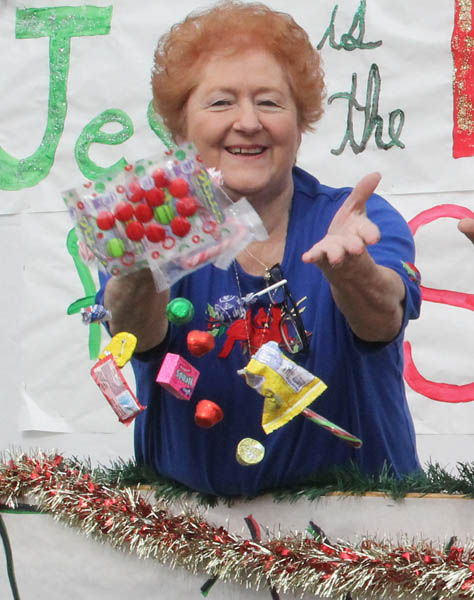 The 11th Annual Molino Christmas Parade is set for Saturday, December 7 at 11 a.m.
The parade route starts at the west end of Crabtree Church Road and ends and the Molino Ballpark were Santa Will be waiting to visit with all the good little boys and girls.
To participate in the parade, preregister at Fran’s Diner or the day of the parade. Registration fees are $30 for floats; $20 for vehicles, motorcycles, tractors or golf carts; and $15 each for horses. No 4-wheelers or go-carts. All proceeds go directly back to the community to help children in need.
For more information, contact Charity at (850) 324-4463 or Fran’s Diner at (850) 587-2803.
Donations such as toys and non-perishable food can be dropped off at Fran’s Diner. T he parade rain date will be Sunday, December 8 at 2:30 p.m.
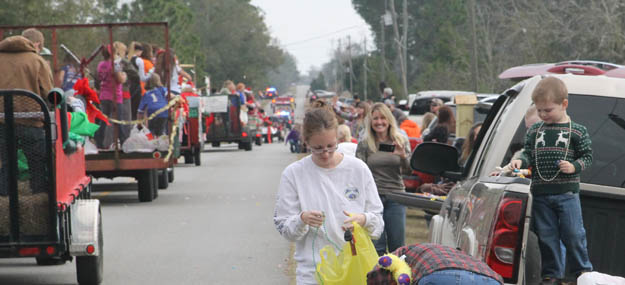
Pictured: The 2012 Molino Christmas Parade. NorthEscambia.com file photos, click to enlarge.
.
Biker Groups Build Ramp For Molino Motorcylist That Hit Deer
November 17, 2013
Three weeks ago, 58-year old Mike Miller of Molino was on his way home from a Saturday night Bikers For Christ Mission. It was after midnight as he traveled Sunshine Hill Road, not far from Crabtree Church Road. It was in the neighborhood of one o’clock Sunday morning when Miller and his motorcycle collided with a deer, just a short distance from his driveway.
 He was down on the road, his leg severely injured, for over an hour before a passerby found him and called 911. He was transported to Sacred Heart Hospital by ambulance as a “trauma alert” with back and leg injuries. The deer did not survive the crash.
Miller suffered road rash on his face, hands and side. His tibia was broken in four places, his fibula broken in three places and his ankle was crushed.
“The doctor said normally he would have amputated a leg injured this bad but decided to try and save his which we are thankful for,” Mike’s wife Marion Miller said. “Mike spent five days in the hospital having two surgeries then two weeks in rehab.”
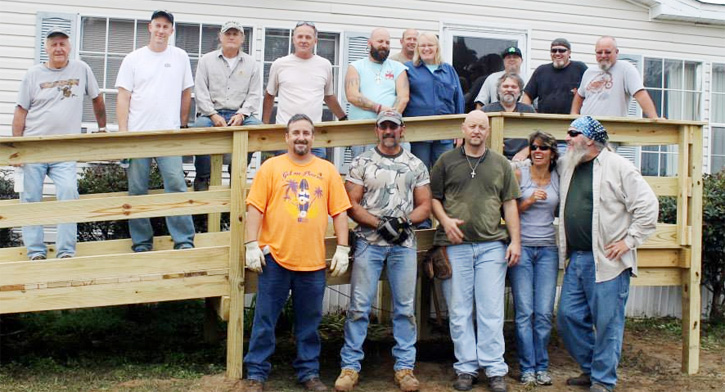
Saturday, the Word Riding Disciples and Bikers for Christ visited Mike Miller at his Molino home, building a wheelchair ramp from his front door to make it safer and easier for him to get out his house.
“This group of men and women spent their Saturday morning doing this as an act of love which is a blessing to us. We want to thank everyone who was involved for their act of kindness,” Marion Miller said.
Pictured top: Members of the Word Riding Disciples and Bikers for Christ built a wheelchair ramp Saturday for accident victim Mike Miller of Molino. Pictured inset: Miller was critically injured when he collided with a deer while riding his motorcycle. Pictured below: Volunteers pray with Miller. Pictured bottom: The ramp under construction. Photos for NorthEscambia.com, click enlarge.


Century Native Carter Honored At Fort Rucker
November 17, 2013
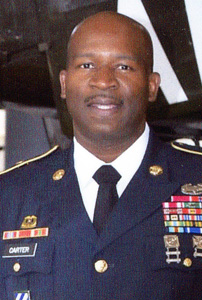
First Sgt. Robert Earl Carter, Jr., a native of Century, was recently honored during a ceremony at Fort Rucker. The ceremony was held at the Aviation Center of Excellence before a host of family and friends.
Carter is a 1986 Century High School graduate and the son of Robert Earl Carter, Sr., and Essie Pearl Washington, both of Century.
He joined the United States Army in August 1987, with his career culminating in duties as a first sergeant and international military student officer at Fort Shafter, Hawaii.
During his career, he served in Georgia, Colorado and Hawaii, and oversees in Germany, Bosnia-Herzegovina, Egypt, Israel and Iraq. He also served combat tours in support of Operation Joint Endeavor, Operation Iraqi Freedom and Operation Enduring Freedom.
Bratt, Byrneville Students Take Virtual Trip To Italy
November 14, 2013
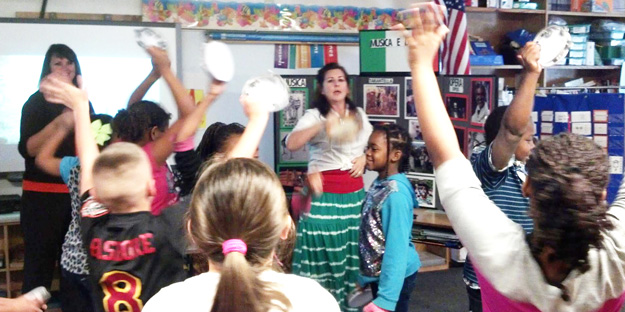
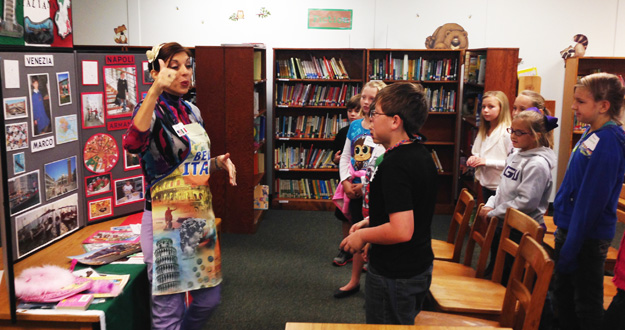
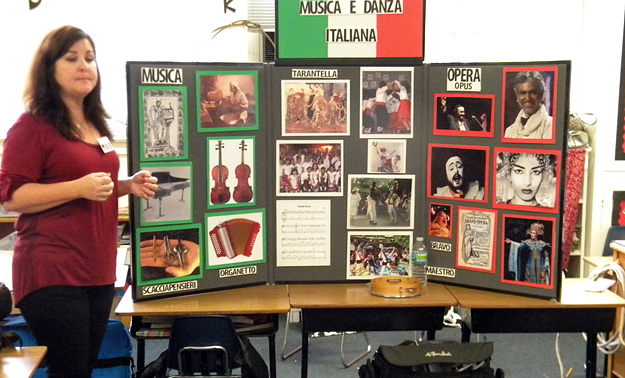
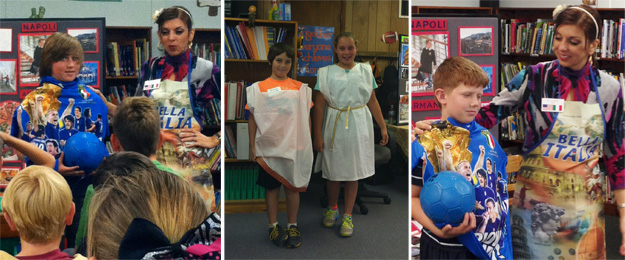
During the past few weeks, hundreds of students from Byrneville and Bratt elementary schools have taken a virtual trip to Italy, thanks to the Global Corner Learning Center.
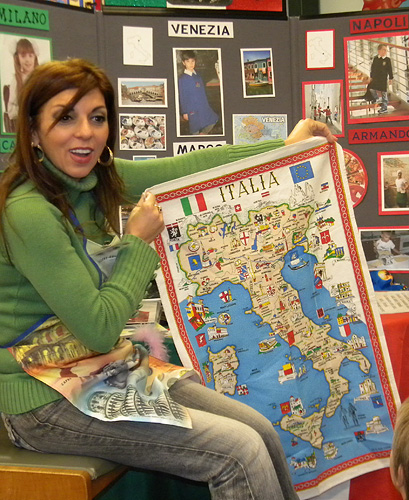 The students spent time learning about the language, arts, culture, geography and more of a unique land half a world away. Each year, The Global Corner teachers take students from their classroom virtually to another country. Through The Global Corner, local students have “visited” Japan, Spain, Egypt, Brazil, Russian, and now Italy.
The non-profit Global Corner was conceived by its director, Lee Hansen, as part of her vision for the Pensacola area to become a player in the global economy and to have Northwest
Florida become an international business hub and the Center of Excellence for International Learning by 2025.
he Global Corner program is scheduled to be at Molino Park Elementary School November 18-22.
Pictured top: Students at Bratt Elementary School learn to dance the Tarantella with Maestra Bridgette from the Global Corner Learning Center. Pictured below: Byrneville Elementary School students take a virtual visit to Italy through the Global Corner Learning Center. Photos for NorthEscambia.com, click to enlarge.

Have Extra Fruit On Your Trees? Donate It To The Needy
November 14, 2013
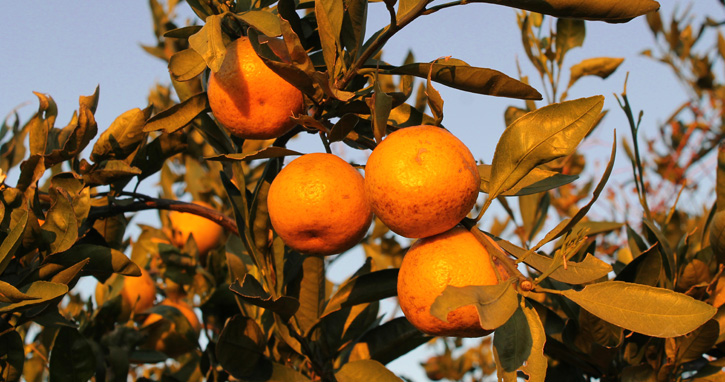
Have a fruit tree on your property with way too much fruit for you? The volunteer group Yes We Can Pensacola wants your donations as the group prepares to begin its annual fruit picking.
For the past six years, the independent group has harvested over 36 thousand of pounds of fruit in Escambia and Santa Rosa counties to be donated to area food banks and soup kitchens, including Manna Foods and Favor House in Pensacola.
The group has picked a wide variety of citrus fruits, including oranges, lemons, grapefruits, limes and tangerines from local residents. Yes We Can Pensacola volunteers will continue to pick fruit into February.
If you are interested in donating fruit or volunteering, contact group coordinator Anna Houghton at (850) 748-0616 or email annabhoughton@gmail.com.
Pictured: Tangerines growing in Walnut Hill. NorthEscambia.com photo, click to enlarge.
EWMS Winning Exhibit: Seeds Of A Great Nation
November 12, 2013

The Ernest Ward Middle School FFA won first place in the Pensacola Interstate Fair’s exhibit booth competition.
The winning theme was “Agriculture and FFA: Seeds of a Great Nation”. The focal point of the exhibit included the United States Great Seal which was created by arranging seeds, cotton, grass rope, wood, paint, glue and other agricultural products and byproducts.
Submitted photos for NorthEscambia.com, click to enlarge.


