

Northview High School Class Of 2015 Graduates (With Photo Gallery)
May 31, 2015
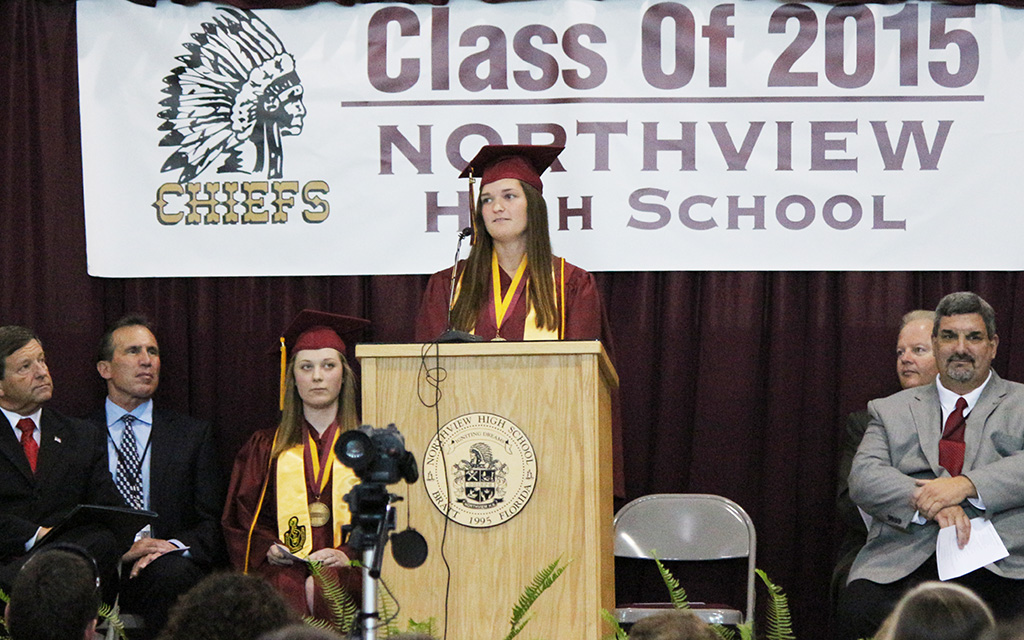
Just over 100 members of the Northview High School Class of 2015 graduated Saturday.
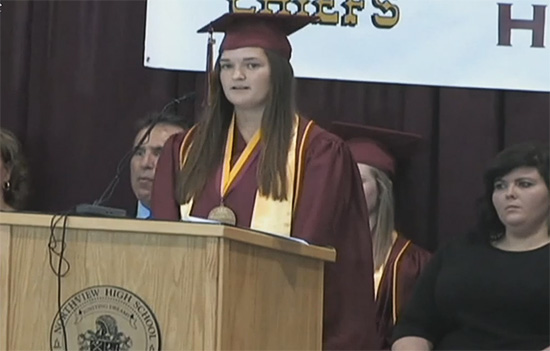
‘Have the courage to follow your heart in order to achieve your dreams,” said Valedictorian Kyndall Hall. “The only person that can keep you from achieving your dreams is yourself. Life isn’t about how long you live, but how you live. It is not about what you have, but how you use what you have. I pray that whatever you do with your life, you are successful with it.”
“God has a plan for each of our lives,” she said. “And to find and pursue it will mean success.
School Superintendent Malcolm Thomas praised the Class of 2015 for their numerous academic and athletic accomplishments, and for earning over a half million dollars in scholarship money.
For a complete video of the graduation ceremony, click here.
For a photo gallery, click here. (More individual diploma photos will be published this week.)
A complete list of graduates is below the bottom photo, scroll down.
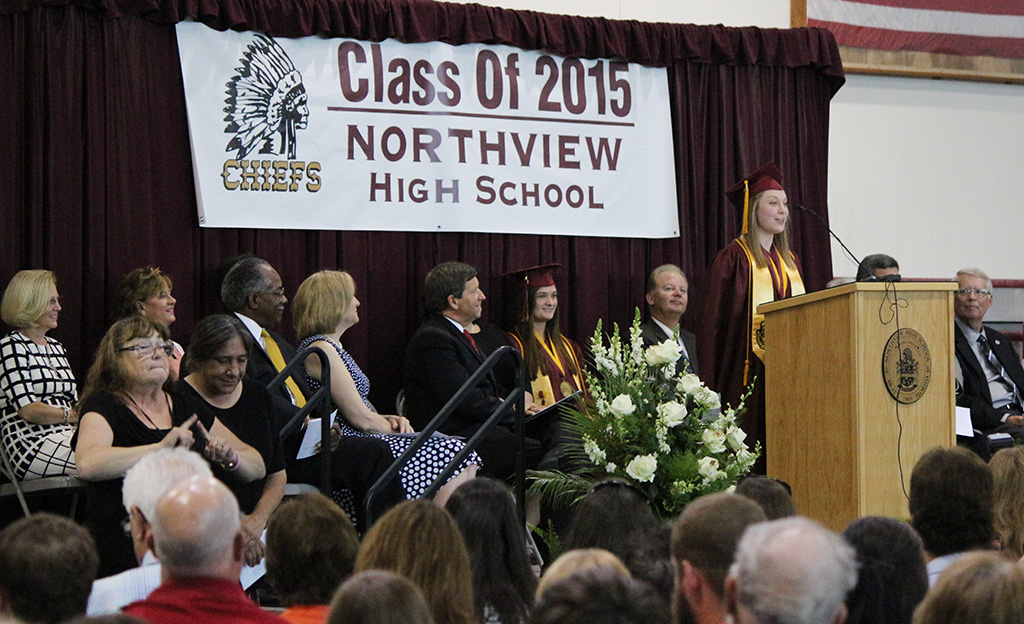
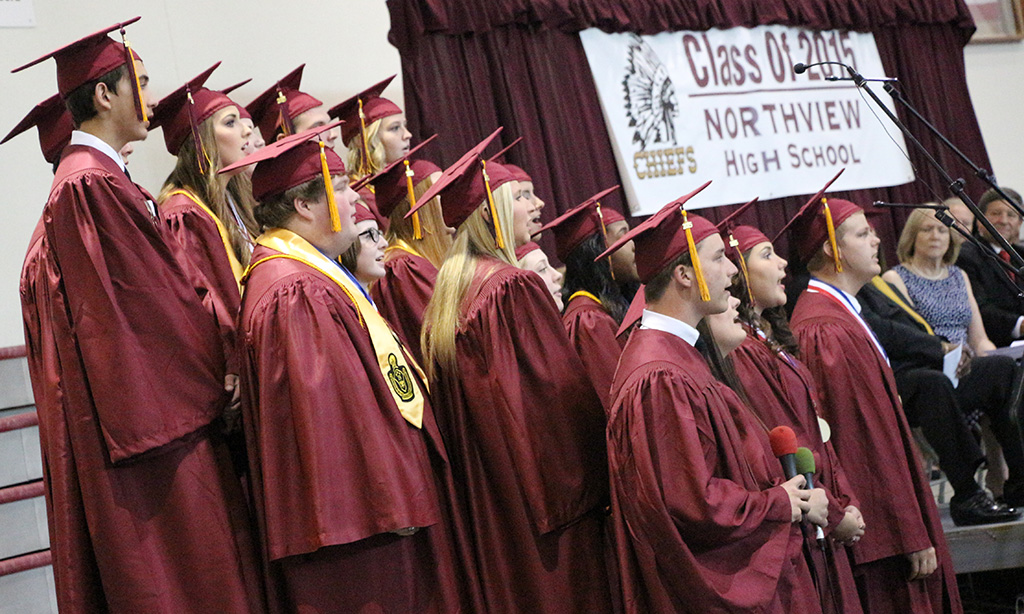
Pictured top: Northview valedictorian Kyndall Hall delivers a speech to her class. Pictured below: Salutatorian Samantha Sharpless addresses the Class of 2015. Pictured bottom: The NHS Senior Ensemble. NorthEscambia.com photos, click to enlarge.
Summa Cum Laude (4.0 GPA and above) are:
Kyndall Lauren Hall -Valedictorian
Samantha Elizabeth Sharpless – Salutatorian
Matthew Ryan Chavers
Mallory Mason Ryan
Tristan Taylor Brown
Julie Beth Hester
Jessica Leigh McCullough
Megan Paige Bryan
Austin Blake Cunningham
Aaron Thomas McDonald
Tristan Hunter Portwood
Kendal Brooke Cobb
Desiree Nicole Elliard
Kristen Renae Byrd
Magna Cum Laude graduates (3.85 or higher) are:
Kelton Joe Wooten
Charmayne Mishanna Fountain
Joshua Joseph Borelli
Kamryn Denise Brock
Hannah Elizabeth Gibson
Cum Laude (3.5 and above) graduates are:
Shania Lynn Ward
Penny Nicole Banda
Adriann Dawn Lee
Jaylen Malik Parker
Morgan Maxine Ward
Rachel Caroline Sepulveda
Rickey Heath Smith
E’layzha Rikiah Bates
Madison Ma’clay McGhee
Holly Merlice Cofield
Alphabetical
Sean Thomas Allister
Brodie Jackson Amos
Autumn Leanna Ates
Mason Dylan Baker
Chandler Lane Boies
Alexander Wesley Bradley
Tydre’ Laquan Bradley
Jessica Faye Brewton
Mark Jordan Brink
AngeliqueTatiana Brown
Ciara Ann Campbell
Jason Wade Cantrell
Lane Jarrett Carnley
Andrew Martin Clemmons
Hope Marie Coggins
Lawrence Eathan Coon
Tiffani Amber Cruce
lyanna Latice Davidson
Allyson Brianne Edwards
Kayla Marie Fears
Ray’shon Donnelle Fletcher
Kaylee Elizabeth Foster
Chasen Lee Freeman
Everette Francis Garvey
Ryder Tristen Gifford
Landon David Godwin
Jonathan Wayne Griffis
Azeen Bisheer Grissett
Austin Taylor Halfacre
Dillon Wade Hall
Courtney Danielle Hallford
Davy Scott Hanks
Elijah Chase Harbison
Ronald Nyshun Harris
Alliyiah Quarille Henderson
Trenton D’Angelo Howard
Hannah Elaine Johnson
Kadarius D’Quan Johnson
John Hunter Johnston
Justin David Kite
Kaitlyn Grace Kline
Nicholas Dewayne Lambert
Angel Nicole Lathan
Keondrae Shamar Lett
Dakota Ray Lowery
Cody Wayne Mathis
Andrea Shiyann Miles
Teamber Marie Moorer
Kayla Michelle Nahkala
Catherine McKenzie Nassar
Kenneth Erving Nelson
Cameron Rasheed Newsome
Jarred Donovan Nixon
Jeniya Charmaine Odom
Jason Kade Parham
Lakelynn Nicole Parker
Breanna Marie Payne
Courtney Paige Peebles
Emily Graye Pippins
Joseph Tanner Plant
Natassja Sam one Scott
Logan Hunter Sherouse
Zachary Samuel Sims
Anissa Shanae Smiley
Paula Lynnette Spicer
Keona Monshea Stanley
Benjamin Michael Stott
Kachanne Elaine Thomas
Cara Renea Thompson
Asja Mo’na Trotter
Brett Clayton Weeks
Erica Megan Wiggins
Kennisia Teresa Ann Williams
Natasia Nicole Williams
Takeya Monique Williams
Tristan Parker Williams
Brandon Michael Wilson
Ashley Suanne Young
First Molino Crawfish Festival Held (With Photo Gallery)
May 31, 2015

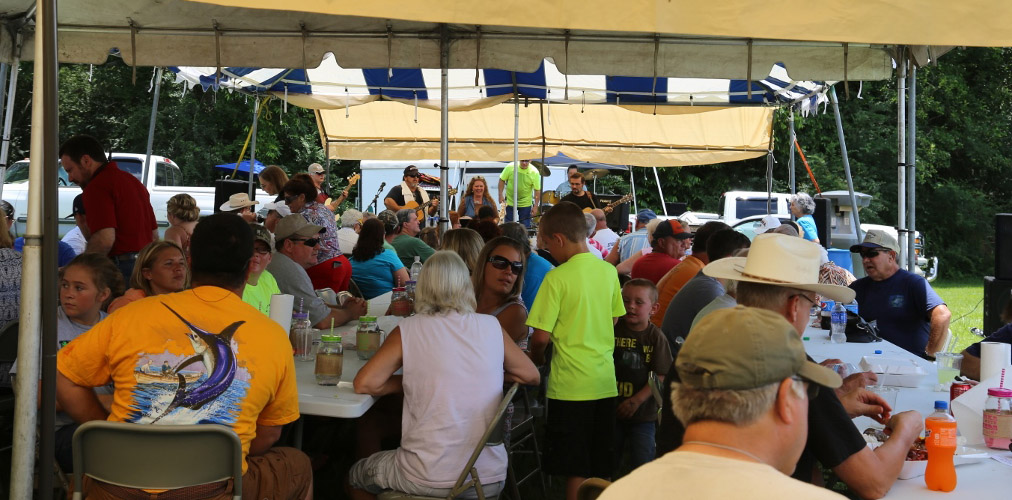
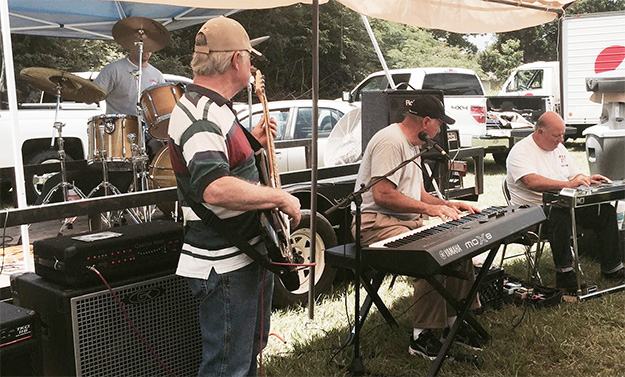
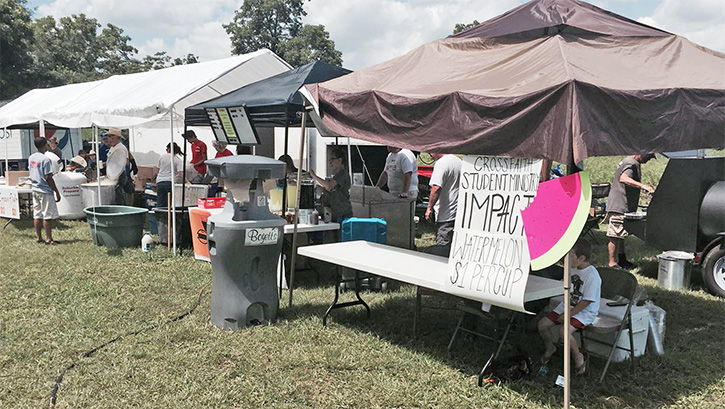
The first Molino Crawfish Festival was held Saturday. The family-oriented event included live, music games, bounce houses, and other food items — including burgers, fries and hot dogs and watermelon. And there were plenty of crawfish — over 1,500 pounds of crawfish.
Proceeds benefited the Molino Historical Society and area churches.
Photos by Michael Pevahouse and Ramona Prestion for NorthEscambia.com, click to enlarge.

Spanish Tall Ship Elcano Open For Tours Today (With Photo Gallery)
May 31, 2015

Large crowds tourned the Spanish tall ship Juan Sebastián de Elcano while it was in port in Pensacola over the weekend.
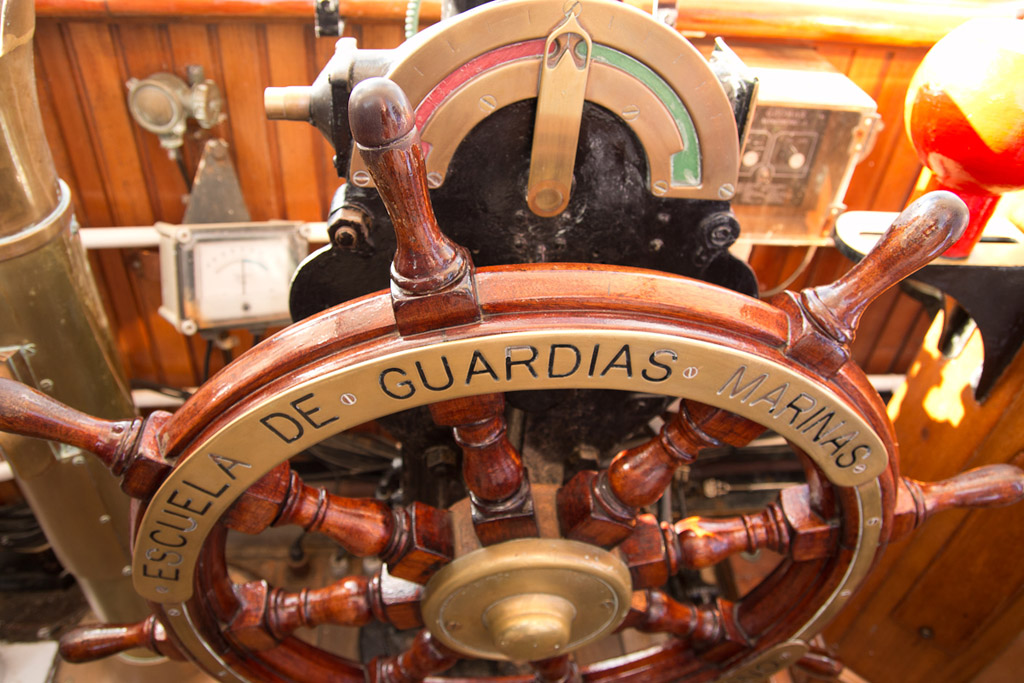
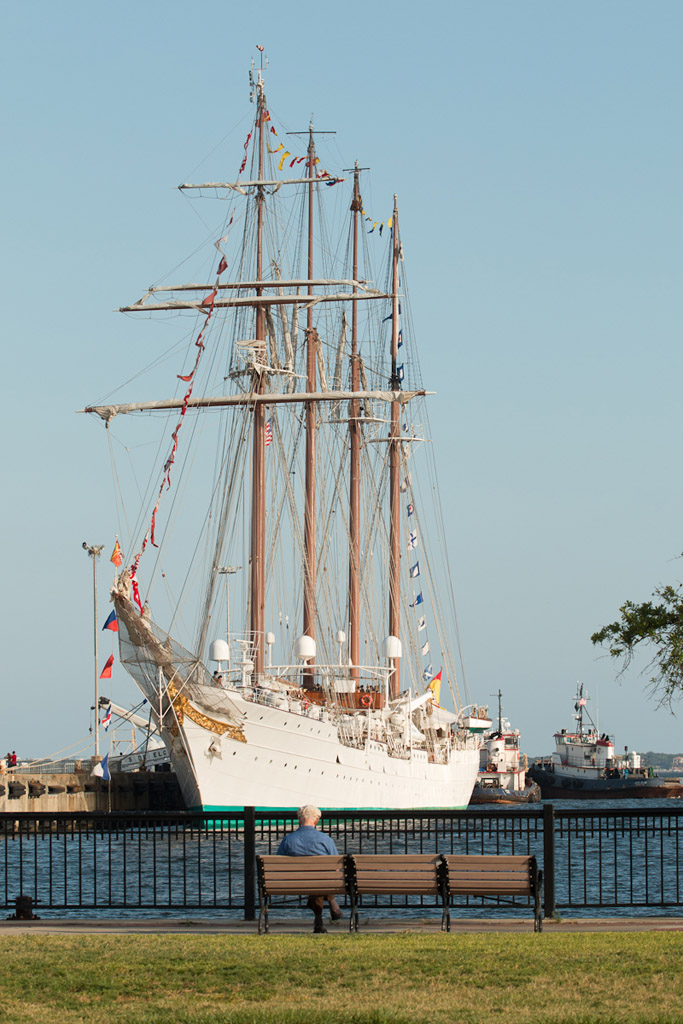 The Elcano is the official training ship for the Royal Spanish Navy and entrusted with the formation and training of the Spanish Naval Midshipmen. Since 1927 the Elcano has sailed more than a million and a half nautical miles through all the seas of the world. Of the 85 cruises she has completed, 10 of them have been around the world.
Considered to be a “floating embassy,” her presence in foreign countries and ports contributes considerably to the Spanish foreign policy. Elcano Captain Enrique Torres-Piñeyro of El Ferrol, Galicia, Spain and crew will sail into Pensacola Wednesday, May 27, 2015 at 9a.m. to help honor the U.S. citizenship of General Bernardo de Galvez, a Revolutionary War hero who won the Battle of Pensacola 234 years ago in May.
Spanish commander Galvez defeated British troops in the Battle of Pensacola on May 9, 1781, reconquering West Florida for Spain and aiding the 13 American colonies in their quest for independence. Each year, Pensacola, which boasts a large population with connections to Spain, celebrates that victory. In December of 2014, the United States Congress conferred honorary citizenship on Galvez, citing him as a hero of the Revolutionary War.
NorthEscambia.com photos by Ditton Gorme, click to enlarge.
Complete Video: Northview High School Graduation
May 31, 2015
Northview High School full graduation video is below..
In the event you do not see the video above, it is because your home, work or school firewall is blocking YouTube videos. Video courtesy Escambia County School District.
Crowden Retires From Century Health And Rehab
May 31, 2015
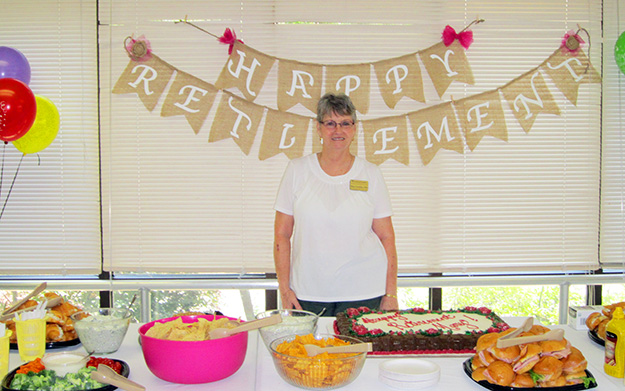
Mary Crowden retired Friday after 19 years of service at the Century Health and Rehabilitation Center. She worked in multiple areas during her tenure. But her best talent, according to coworkers, was taking care of loose ends, always giving 150 percent. Submitted photo for NorthEscambia.com, click to enlarge.
New Daycare Opens In Century
May 30, 2015
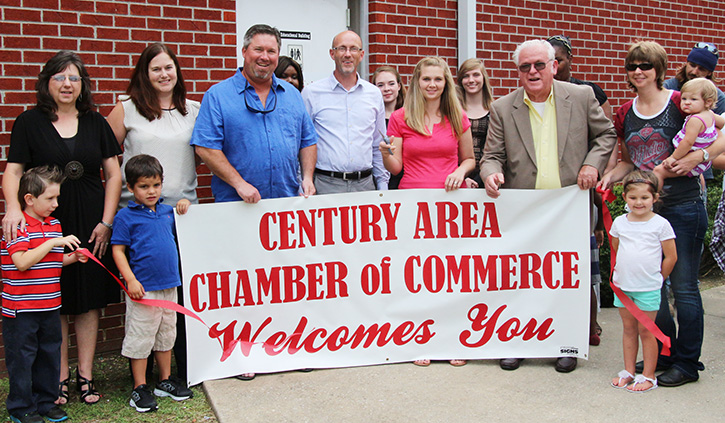
An open house and ribbon cutting was held Friday afternoon for the Abundant Life Children of Hope Center, a new daycare, in Century. The project is actually in the running for the $25,000 Century Business Challenge but is already a reality, regardless of the contest outcome to be announced next month.
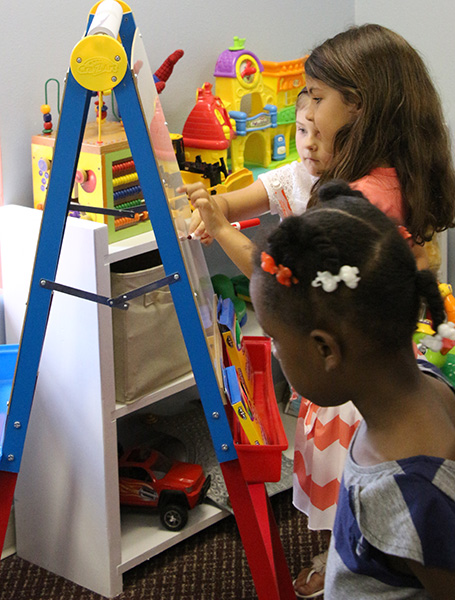 In December, the Century Business Challenge was announced by Quint and Rishy Studer, with $25,000 and a possible location in the Century Business Center. The church has applied for the challenge, but decided to go ahead and open the Abundant Life Children of Hope Center on June 1. The daycare will begin with space for 29 children from 6 weeks old to Pre-K…allowing their mothers, or fathers, the chance to go to work or school.
“I saw the need for Century, director Heather Smith said. “We see the need. We want to be a blessing to the community.”
A recent economic development plan created by the University of West Florida Haas Center identified the need for a daycare in Century.
“A daycare is something that Century really needed,” Mayor Freddie McCall said. “I’m really glad to see them opening; this will allow people to be able to get jobs.”
Open enrollment is underway now. Applications can be picked up from the church on North Century Boulevard Tuesday through Thursday from 10 a.m. until 3 p.m. Daycare hours will be 6:30 a.m. to 5:30 p.m. For more information, call (850) 256-5227. The daycare will officially open Monday with space for 29 children from 6-weeks old to Pre-K.
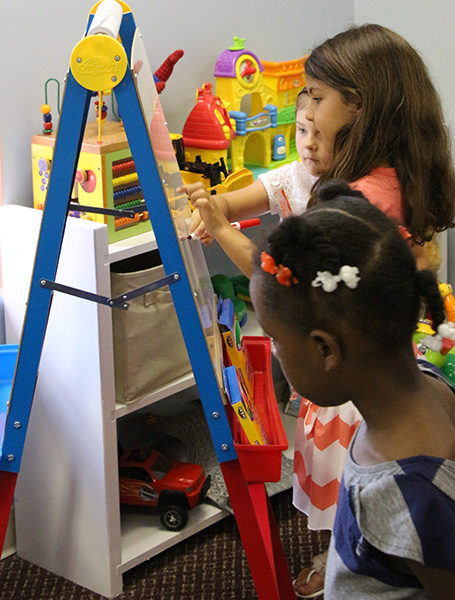
Pictured: The grand opening of the Abundant Life Children of Hope Center daycare in Century late Friday afternoon. NorthEscambia.com photos, click to enlarge.
Saying Goodbye: Eighth Grade Walk At Ernest Ward Middle
May 30, 2015
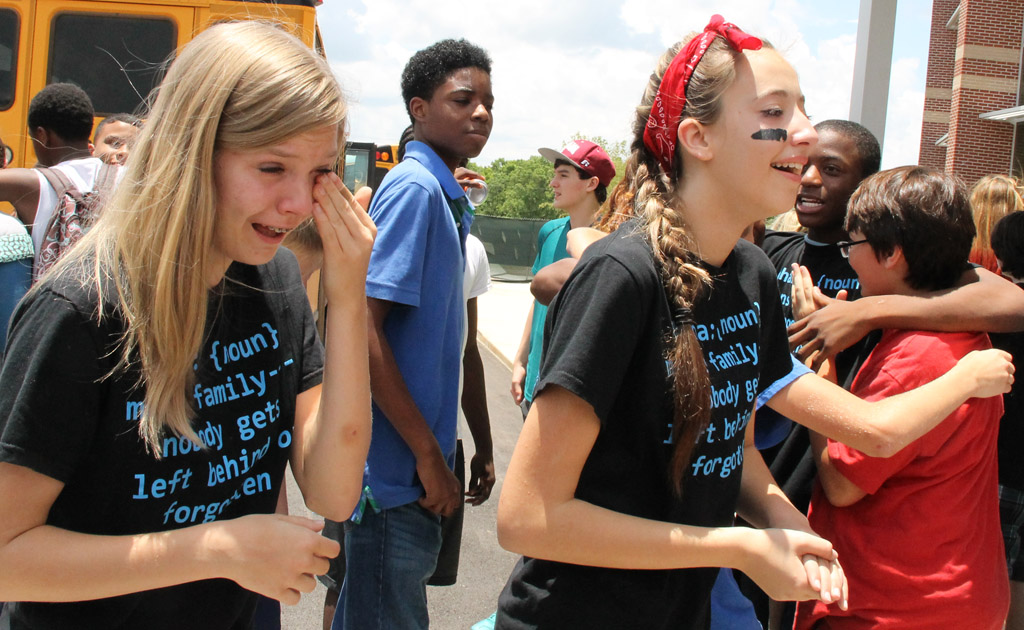
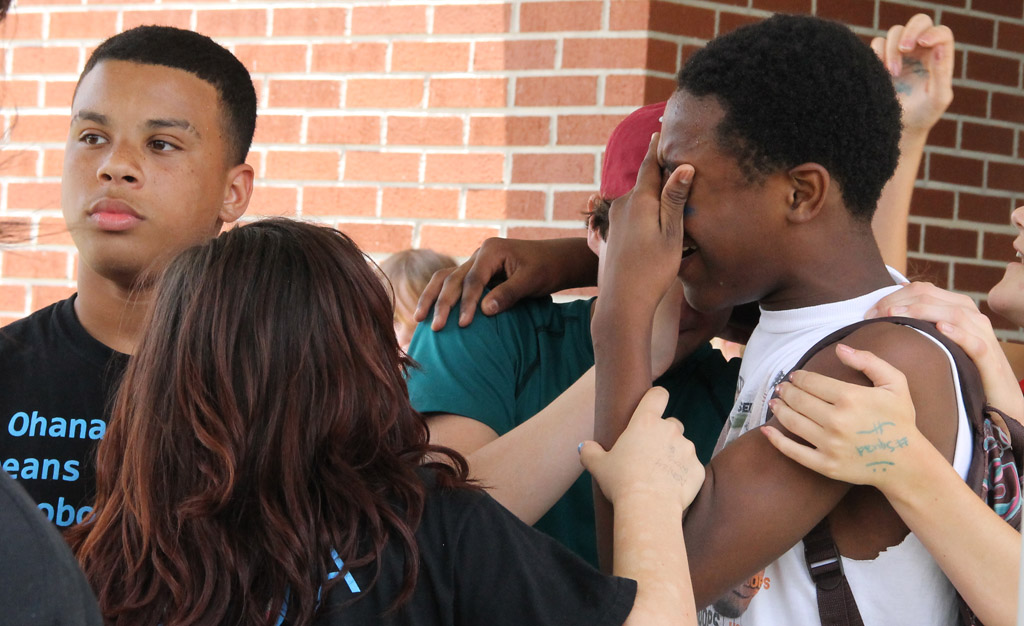
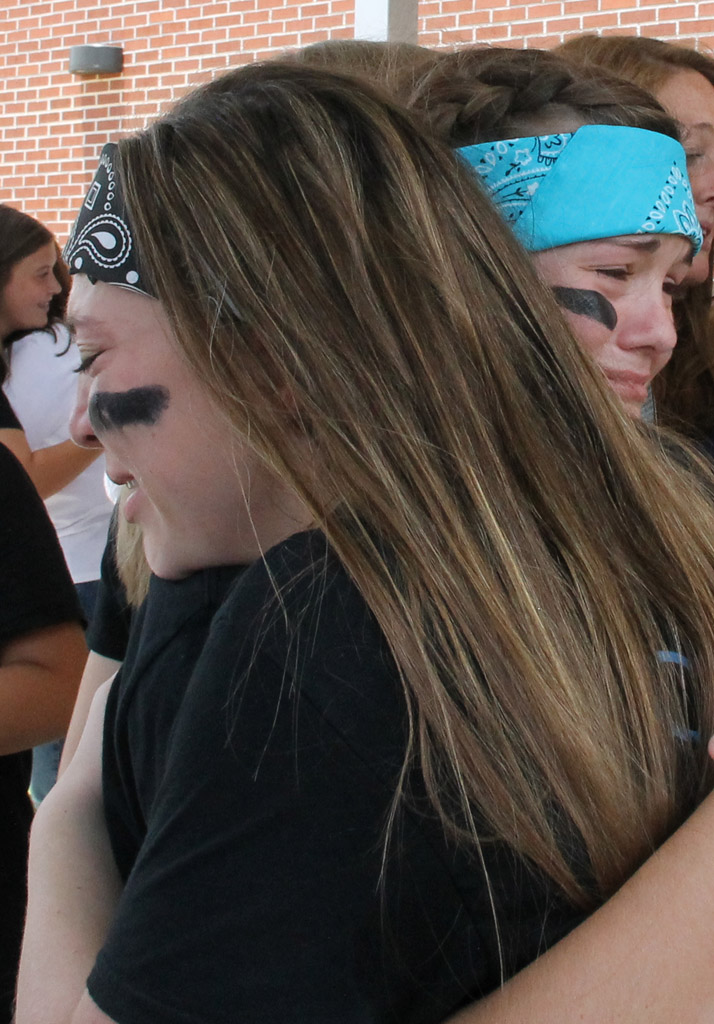 The first eighth grade class to attend the newly rebuilt Ernest Ward Middle School in Walnut Hill ended their middle school careers Friday with smiles, shouts and tears. The students, many headed to different high schools next fall, said goodbye to friends, teachers and middle school during the traditional “Eighth Grade Walk” on the last day of school.
NorthEscambia.com photos, click to enlarge.
Escambia County High Seniors Graduate With Over $1 Million In Scholarships
May 30, 2015
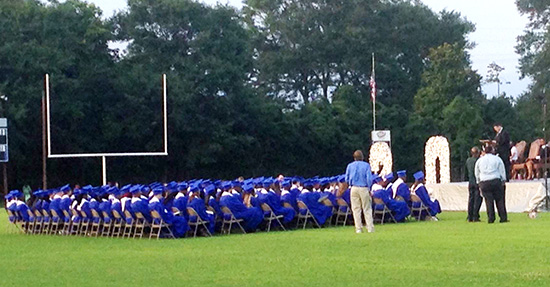
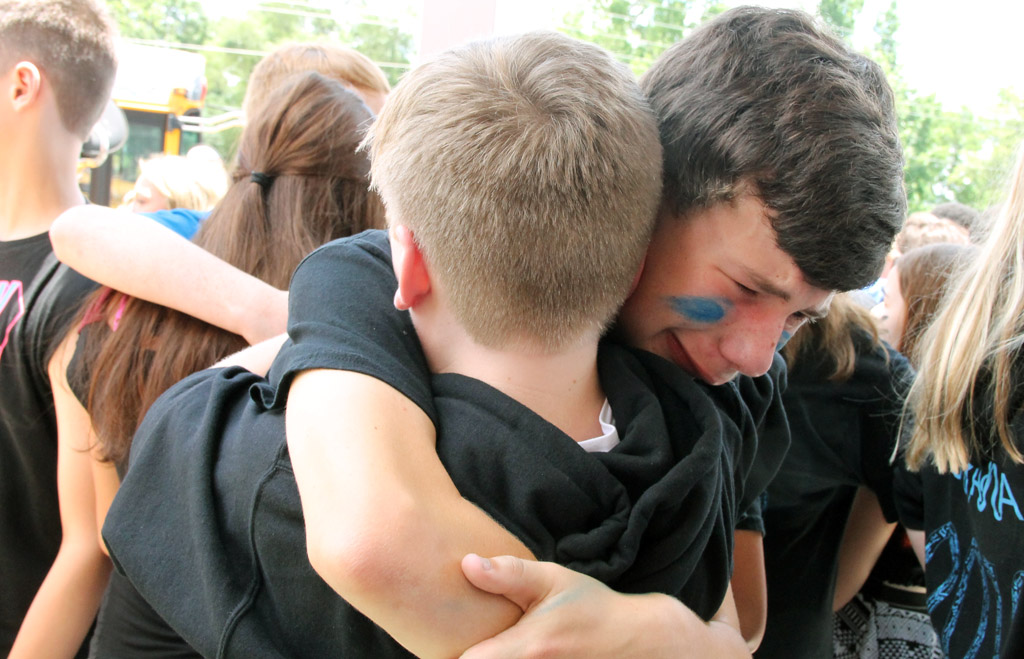
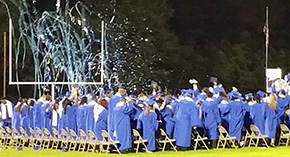 The Escambia County High School Class of 2015 graduated Friday evening in Atmore. Class members collectively earned over $1 million in scholarships. Submitted photos by Alisa Hart for NorthEscambia.com, click to enlarge.
Tate High Names Top Graduates, Presents Senior Awards
May 29, 2015
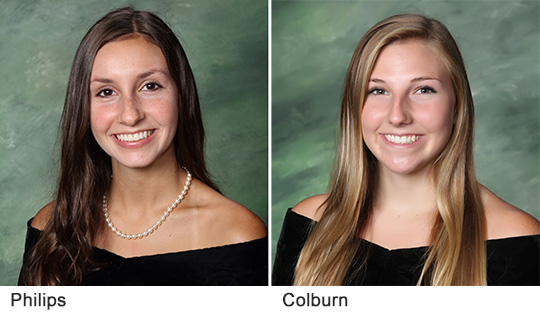
Tate High School has named their top graduates and presented senior awards Thursday night for the Class of 2015.
Hannah Erin Philips was named valedictorian with a final GPA of 5.075. This year, she was president of the National Honor Society, the Mu Alpha Theta secretary, and the Science Honor Society treasurer. She is an active member of the Marcus Pointe Baptist youth group and has participated in several missionary trips. Hannah is a National Merit Finalist and has received a full ride scholarship to Liberty University in Lynchburg, VA. She plans to major in biomedical science and will pursue a career in dentistry.
Sarah Ashley Colburn was name salutatorian with a final GPA of 4.9765. She was the Rho Kappa president, National Science Honor Society president, the National Honor Society secretary, and the Mu Alpha Theta treasurer. She is a four year varsity tennis player, and was the district runner up her junior year. She also is a four-year volunteer at Scenic Heights Elementary. She will attend the University of Florida and study chemical engineering.
Notable awards presented to the Tate High Class of 2015 Thursday night included:
Scholarships Awarded
- Fortis Institute
- Pensacola State College
- University of West Florida
- Troy University
- University of Southern Mississippi
- Auburn University
- University of Alabama
National Merit Finalist – Hannah Philips
National Merit Commended Scholar – Paxton Metcalf
Community Scholarships
- Aylstock, Witkin, Kreis, & Overholtz Champions of Justice $1000 Scholarhsip – Jenna Loomis
- First United Methodist Church of Pensacola Scholarship – Chad Ratliff
- Gulf Winds Federal Credit Union Scholarship – Steven Jennings
- Pensacola Civitan Club Citizenship Scholarship – Arah Hans Majors & Ethan Millet
- Poarch Band of Creek Indians Scholarship (Full tuition) – Sayra Mauldin
- Take Stock in Children Program Scholarship – Alex Richards & Hangnga Suon
- John E. Frenkel, Sr. Educational $1,000 Grant – Tristan Fromm & Carissa Carroll
Local Donors & Memorial Scholarships
- GRIT $1,000 Scholarship Sponsored by Jeff & Tammy Barnhill – James Wright
- The Bob Hemme Scholarship Sponsored by the PSRA – Jennifer Clyde
- The Michele W. Hill Foundation Scholarship – Jacob Howard
- Chris Williams $1000 History Memorial Scholarship – Emily Washler
- The Dillon Roberson Aggie Hero Award $500 Sponsored by Cantonment Grocery Advantage – Carissa Carroll
- The Michael D. Varner Memorial Science Scholarship $1000 – Jamie Hendren
The Top Ten Percent of the Tate High School Class of 2015 is as follows:
- Hannah Erin Philips – Valedictorian
- Sarah Ashley Colburn – Salutatorian
- Emily Rose Washler
- Chandler Weathers Cotton
- Taylor Arden Ertel
- Kayla Jaymes Dixon
- Hannah Bethany Hargett
- Brandon Lee Launstein
- Jamie Leigh Hendren
- Casey Ann McCrackin
- Paxton Murray Metcalf
- Marissa Sue Jackson
- Jacob Colin Howard
- Natalie Lauren Wright
- Alexis Kay Dixon
- Sarah Elizabeth Baxter
- Elizabeth Joan Werdann
- Emily Ann McAfee
- Taylor McKenzie Wynn
- Jonathan David Compton
- James Mercado Craft
- Gaylyn April Workman
- Elyse Kelalani Locke
- Jacob E. Richards
- Myranda Sue Kervin
- Justin Thomas Baker
- Valerie Louise Kennedy
- Steffany Louise Brown
- Julie Ann Menah
- Lauren Taylor Brennan
- Carolyn Maria Pearce
- Jenna Naveen Loomis
- Shakira Luqua Phillips
- Kristin Lea Wheeler
- Sarah Marie Rowzee
- Kathryn Lorraine Howard
- Sarah Marie Howard
- Marie Nicole McElveen
- Asia Rae McLeod
- Relashia Sharde’ Nicholson
- Nicholas Andrew Krostag
- Victoria Lynn VanScyoc
Northview High Names 2015 Honors Graduates
May 29, 2015
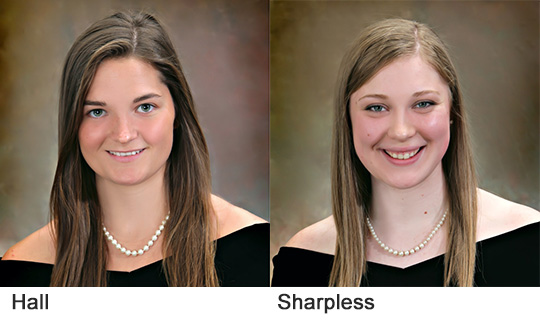
Northview High School named their honors graduates during Thursday night’s 2015 Senior Awards Night.
Valedictorian of the Class of 2015 is Kyndall Lauren Hall, and salutatorian is Samantha Elizabeth Sharpless. A total of 29 students were named honors graduates with a final GPA of 3.5 or above.
The Northview High School Class of 2015 graduates at 4 p.m. Saturday in the school gym.
(Scroll down to see all honors graduate photos and names)
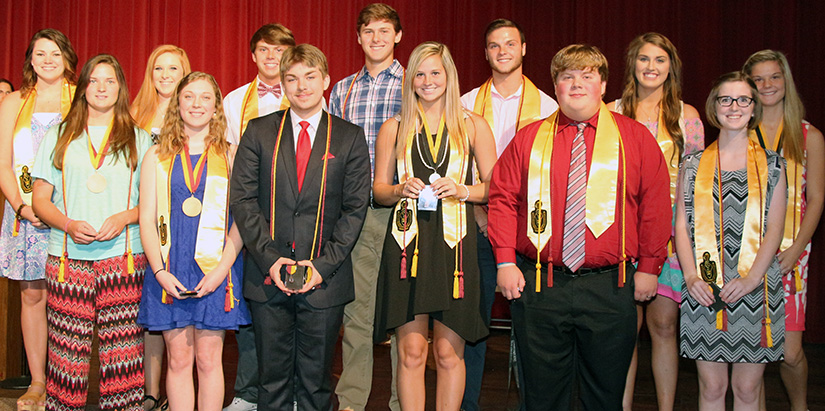
Summa Cum Laude (4.0 GPA and above) are:
1. Kyndall Lauren Hall -Valedictorian
2. Samantha Elizabeth Sharpless – Salutatorian
3. Matthew Ryan Chavers
4. Mallory Mason Ryan
5. Tristan Taylor Brown
6. Julie Beth Hester
7. Jessica Leigh McCullough
8. Megan Paige Bryan
9. Austin Blake Cunningham
10. Aaron Thomas McDonald
11. Tristan Hunter Portwood
12. Kendal Brooke Cobb
13. Desiree Nicole Elliard
14. Kristen Renae Byrd
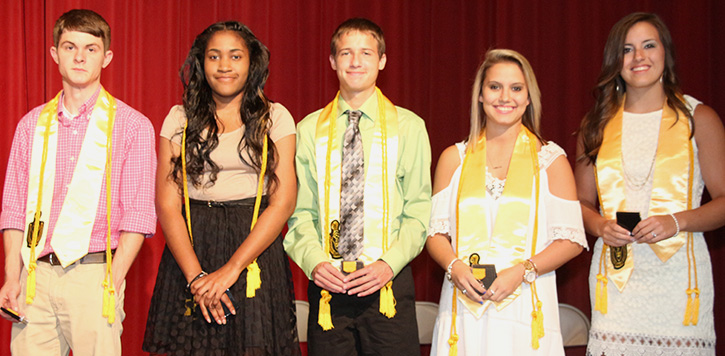
Magna Cum Laude graduates (3.85 or higher) are:
15. Kelton Joe Wooten
16. Charmayne Mishanna Fountain
17. Joshua Joseph Borelli
18. Kamryn Denise Brock
19. Hannah Elizabeth Gibson
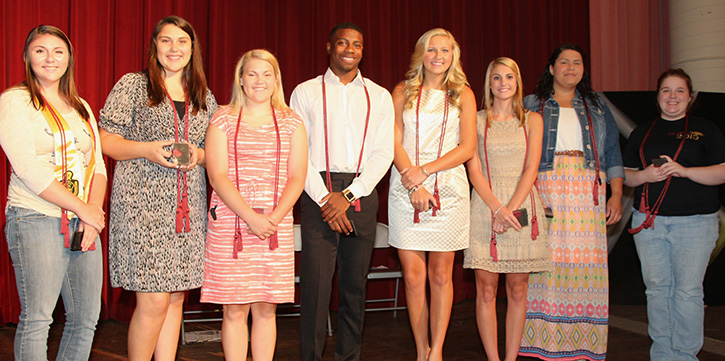
Cum Laude (3.5 and above) graduates are:
20. Shania Lynn Ward
21. Penny Nicole Banda
22. Adriann Dawn Lee
23. Jaylen Malik Parker
24. Morgan Maxine Ward
25. Rachel Caroline Sepulveda
26. Rickey Heath Smith
27. E’layzha Rikiah Bates
28. Madison Ma’clay McGhee
29. Holly Merlice Cofield
NorthEscambia.com photos, click to enlarge.