
New Members Inducted Into Northview High Beta Club
April 14, 2018
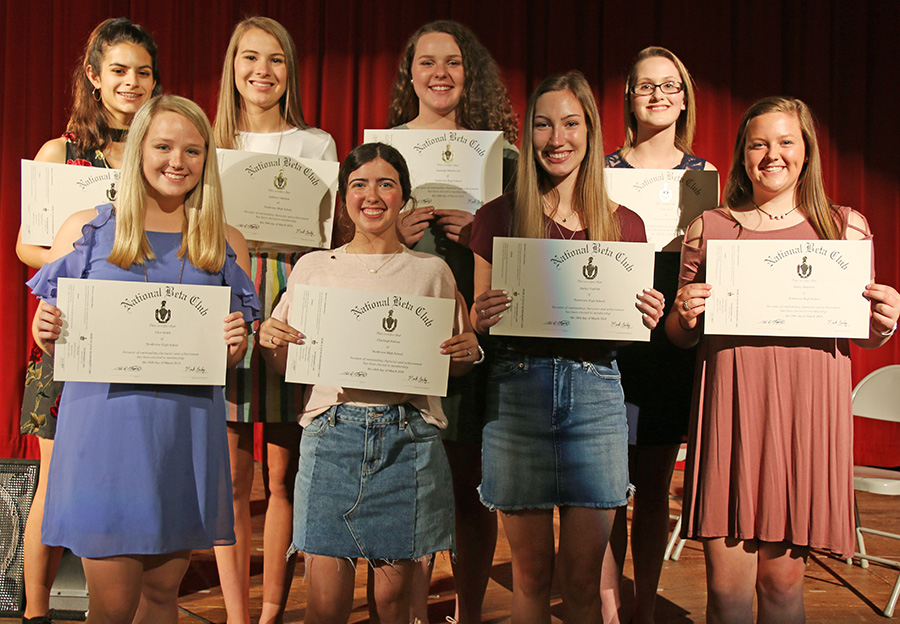
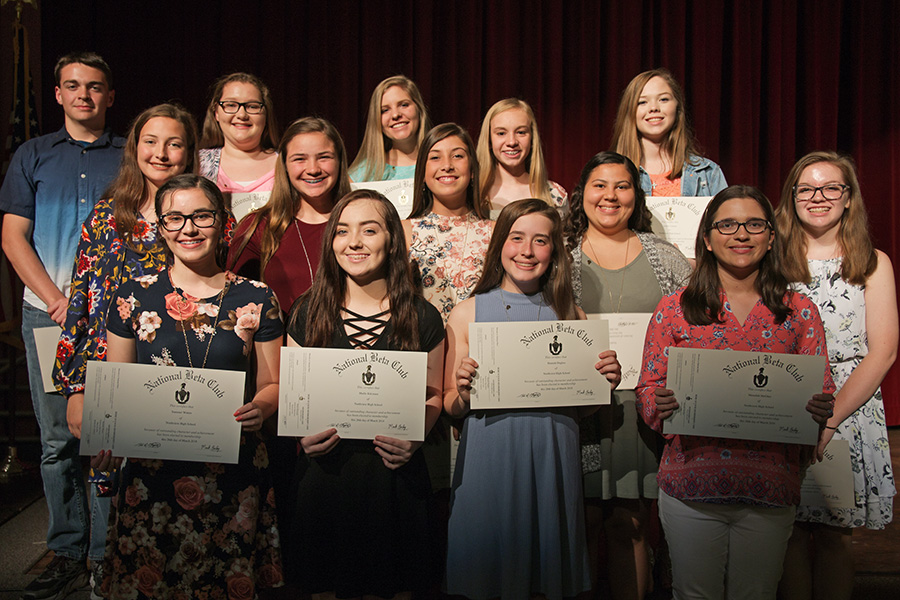
New members were inducted Wednesday into the National Beta Club at Northview High School.
For a photo gallery, click here.
The new members are:
Freshmen (pictured below)
- Maggie Amerson
- Savannah Doremus
- Amber Gilman
- Hannah Hughes
- Rylee Huskey
- Maille Kilcrease
- David Lamb
- Abigail Levins
- Meredith McGhee
- Abigail Nelson
- Libby Pugh
- Emily Stabler
- Summer Waters
- Autumn Williams
Sophomores (pictured top)
- Addison Albritton
- Emily Boutwell
- Ansleigh Maholovich
- Abigayil Mascaro
- Charleigh Parham
- Marissa Rothrock
- Cloe Smith
- Bailey Van Pelt
- Elana Ward
Current members of the Northview Beta Club are:
Seniors
- Anna Belle Barberree
- Logan Calloway
- Jarrod Davison
- Tristan Long
- Hannah Nelson
- Sarah Perritt
- Destiny Watson
- Tara Windham
Juniors
- Lexxi Baggett
- Ashtyn Carnley
- Logan Chavers
- Justin Cruce
- Brooke Doolittle
- Rebecca Dunn
- Dalton Hamilton
- Kherstin Johnson
- Tanner Levins
- Delaney Reynolds
- Valen Shelly
- Aaliyah Tucker
Sophomores
- Will Beach
- Keaton Brown
- Lacie Carter
- Karlee Criswell
- Jackson Edwards
- Ashlan Harigel
- Anna King
- Kayla McKillion
- Kinzie Rackard
- Savannah Roley
- Savannah Spence
The National Beta Club’s purpose is “to promote the ideals of academic achievement, character, leadership and service among elementary and secondary school students.”
Pictured: New Beta Club members at Northview High School. NorthEscambia.com photos, click to enlarge.
Mira Awards Honor Escambia’s Most Creative High School Seniors
April 13, 2018
Escambia County’s most creative high school seniors were honored Thursday night during the 2018 Mira Creative Arts Awards Banquet.
Mira Creative Arts Awards recipients were nominated for the award by their high school teachers and received commemorative engraved medallions.
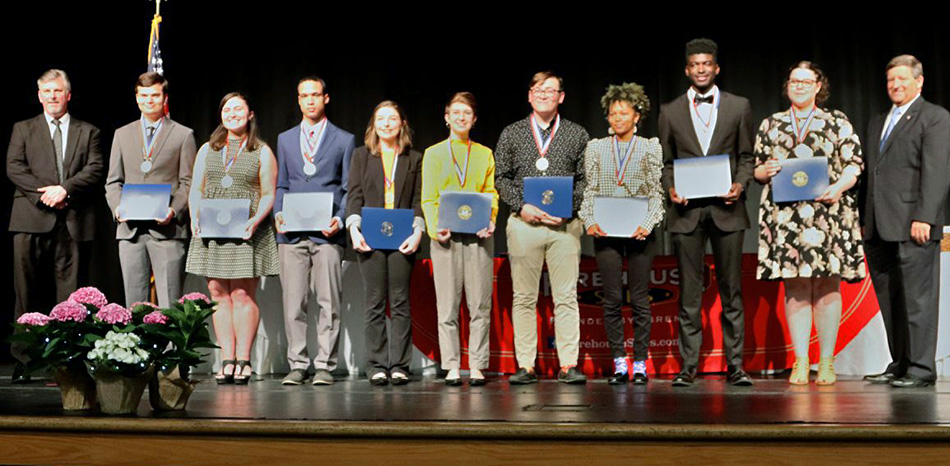
Recipients of the 2018 Mira Creative Arts Award are listed below a photograph from each school:
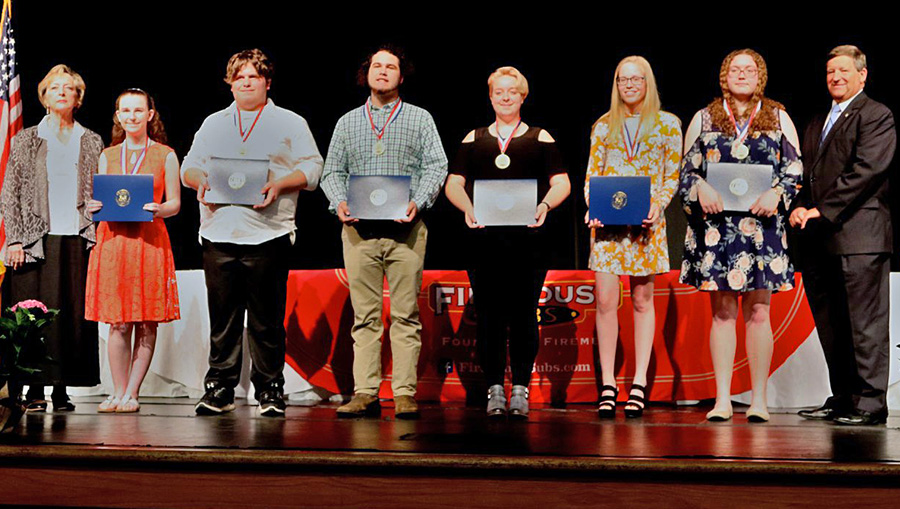
Northview High School
Anna Belle Barberree – Technology
Camilla Windham – Music/Theater
Clayton Findley – Band
Hannah Mascaro – Art
Sara Perritt – Writing
Tara Windham – Art
Cody Alan Kite – Manufacturing
Tristen David Segers – Welding
For individual Northview photos, click here.
Tate High School
Caroline Bruns – Orchestra
Dylan Charles Brown – Debate – Mock Trial
Elise Felt – Journalism/Yearbook
Hayden W. Griffith – Choral Music/Drama
Jessica Lewis – Studio Art- 2D
Michael Lett – Band
Milana Grace Dodson – Studio Art- 3D
Rebecca Ann McLeod – Choral Music/Drama
Trey Chever – Orchestra
For individual Tate photos, click here.
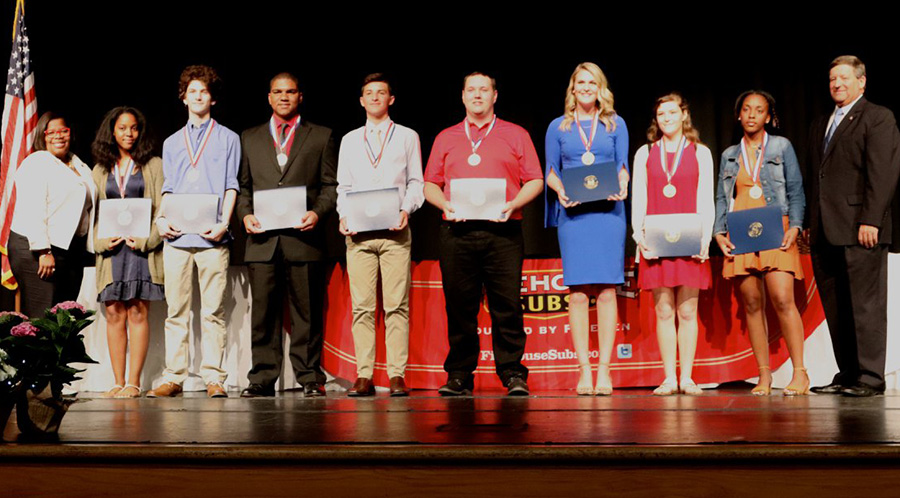
West Florida High School
Amaya Sword – Art
Brion Bivins – Video Editing
Chelbi Rich – Band
Davyd Ian Izonritei – Orchestra
Jessica Butler – Video Editing
Kinley Murcko – Photography
Lawrence Meuse – Video Editing
Niko DeMarco – Graphic Design
Preston Marvel – Journalistic/Non-Fiction Writing
Tiffany Alexis Eady – Orchestra
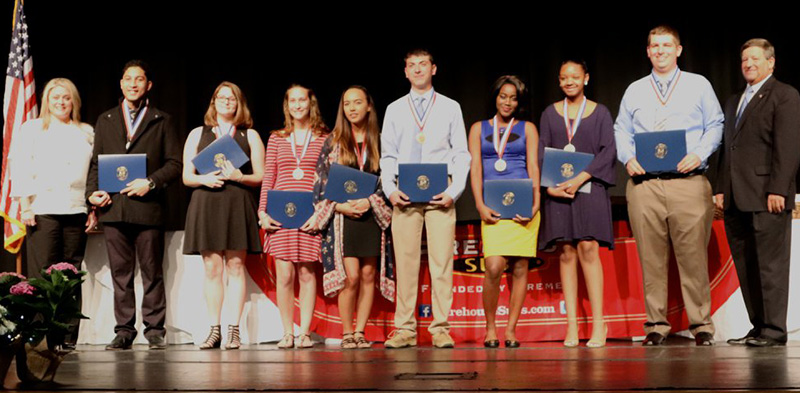
Pine Forest High School
Aaegiean Brown Jr. – Visual Arts
Caleb White – Culinary
Cortasia Weaver – Design Services
Darion Newman – Carpentry
Kaitlyn Lockard – Band
Nacole Clemmons – Yearbook and Journalism
Ramona Riley – Culinary
Samantha Garcia – Yearbook and Journalism
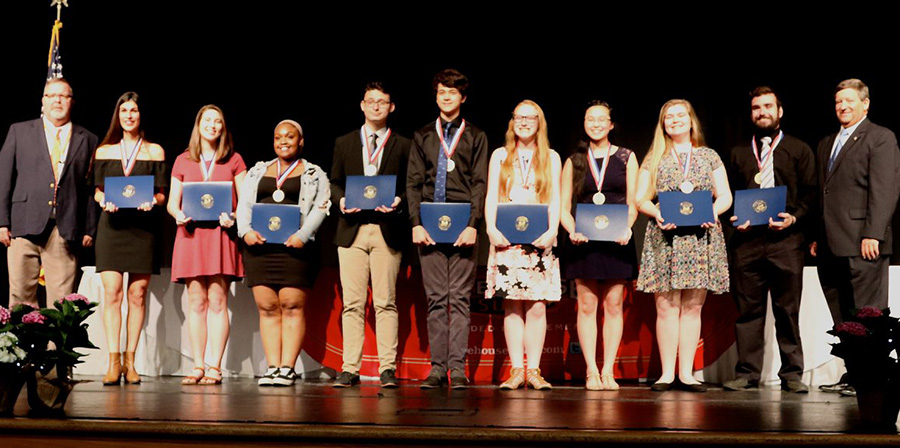
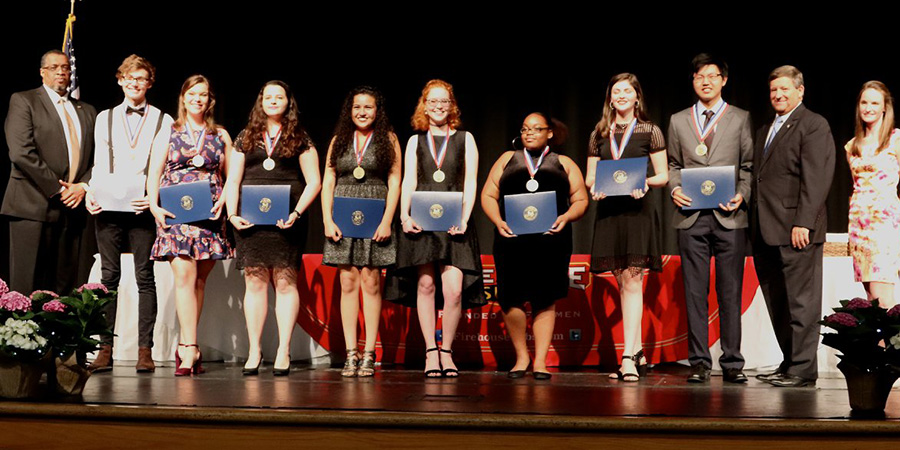
Escambia High School
Andrew Gregg – Music Composition
Bailey Coker – Theater/Drama
Brandon Torino – Theater/Drama
Cayla Caldwell – Choir
Clara Bonnlander – Art
Greta Beretta – Dance
Hanna Hammac – Theater/Drama
Sadiq Muhammad – Jazz
Skyler McLeod – Band
Terelan Kimberly Le – Orchestra
Pensacola High School
Ana Boesel – Drama
Dawson Adams – Fine Arts
Devin Burris – Visual Art
Jada Harper – Chorus
Leo Zhang – Instrumental Music
Louise Harris – Drama
Savannah Hammer – Instrumental Music
Stephanie Gutierrez-Diaz – Drama
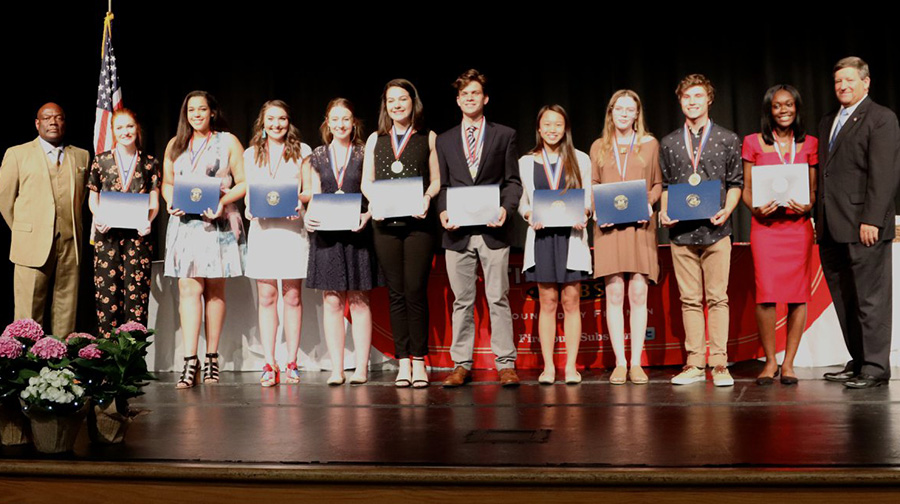
Washington High School
Amaiya Whipple – Chorus
Chase Rogers – Band/Fine Arts
Elise Paul – Chorus
Elizabeth Teets – Visual Arts
Grace Sill – Orchestra
Holden Touzet – Visual Arts
Katherine Owens – Theatre
Laura Connally – Theatre
Tahlia Linder – Band/Fine Arts
Gabrielle Reboulet – Orchestra
In 1987, a group of teachers at J. M. Tate High School created the Mira Awards to recognize talented and creative students in the arts and sciences. The following year, the committee approached the Escambia County Public Schools Foundation to bring the awards under its umbrella and to initiate county-wide student participation each year in the areas of writing, performing and visual arts, and other creative disciplines. The term “Mira” is Latin for the name of the brightest star in the constellation Cetus.
Photos courtesy Kim Stefansson for NorthEscambia.com, click to enlarge.
Byrneville Elementary Releases Honor Roll
April 11, 2018
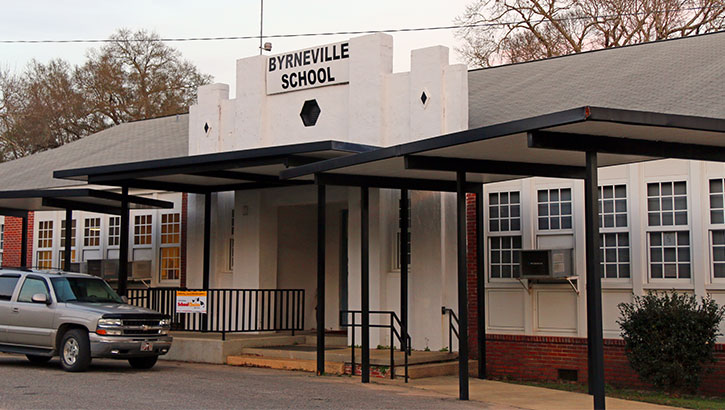
Byrneville Elementary School named the following students to their honor roll for the third nine weeks of the school year:
Mrs.Barberree-Kindergarten
All Satisfactory
- Tyrus Bradley
- Trusten Brown
- Lainey Dunsford
- Maggy Dunsford
- Madelyn Faulk
- Russell LeMesurier
- Hailey Levins
- Keaten Odom
- Sawyer Odom
- Cam’Ron Reed
Mrs. Seales-Kindergarten
All Satisfactory
- Tyree Baker
- Zacharie Barrow
- Jayden Carter
- Kyle Lowery
- Alydia Sutton
- Nevaeh Tidd
- Natalia White
- Caesar Whorff
- Madyson Wiggins
- Zane Therrell
Mrs. Slade-Kindergarten
All Satisfactory
- Madison Brazwell
- Rilee Campbell
- Eli Evans
- Douglas Maxwell
- Kinsley McKinnon
- Bentley Sanders
- Maryann Tedder
- Jakiyrah Thomas
Ms. Brown-1st Grade
“A” Honor Roll
- Ethan Carter
- Allison Grant
- Brooklyn Miller
- Bryce Miller
- Finley Miller
- Kaden Smith
- Ember Claire Waters
- Bryce Yoder
“A/B” Honor Roll
- McKenzie Griffis
- Ty Jackson
- Emily Jones
Mrs. Kitchin- 1st Grade
“A” Honor Roll
- Anastacia Cooley
- A/zariyah Elliott
- Olivia Levins
- Natalie Rogers
“A/B” Honor Roll
- Bryce Giger
- Ashanti Manuel
- SaRai McKee
- Tyson Milliken
- Brody Rigby
Mrs. Linton-2nd Grade
“A/B” Honor Roll
- Jaxon Anderson
- Blaine Buckhault
- Madelyn Calloway
- Callie Campbell
- Elizabeth Gilley
- Emma Godwin
- Brylen Hadley
- Meeyah Lassitter
- Katelyn Levins
- Lola Weldon
Mrs. Moorhead-2nd Grade
“A” Honor Roll
- Briley Beers
- Lyla Calloway
“A/B” Honor Roll
- Sydney Little
- Nicholas Long
- Mason McKinnon
- Darien Smith
- Olivia Thomas
- Audrina Woods
- Zane Weaver
Mrs. Dunsford-3rd Grade
“A” Honor Roll
- Aleah Livingston
- Jase Portwook
“A/B” Honor Roll
- Valeria Franco
- Warner Maxwell
- Isaiah Phifer
- Trenton Wright
Mrs. Weaver-3rd Grade
“A” Honor Roll
- Lexi Bingham
- Cannon Whorff
- Allison Yoder
“A/B” Honor Roll
- Michael Brazwell
- Taylor Curtis
- Kayden Harvell
- Gabrielle Hawsey
- Preston Hudson
- Layla Jordan
- Caleb Levins
- Crest Waters
Mrs. Marshman-4th Grade
“A” Honor Roll
- Elizabeth Coleman
- Luke Godwin
- Savannah Hudson
- Christian Velazquez
“A/B” Honor Roll
- Tyler Carach
- Easten Odom
- Mary-Clayton Dawson
- Ryder Lee
- Makenzie Levins
- Bree Robertson
- Evelyn Smith
Mrs. Thornton-4th Grade
“A” Honor Roll
- Braxton Wagner
“A/B” Honor Roll
- London Brooks
- Jaycee Harvell
- Andrew Plant
- Charlee Weaver
Mrs. Johnston-5th Grade
“A” Honor Roll
- Zack Herndon
- Brian Yoder
“A/B” Honor Roll
- Gavin Beasley
- Logan Bevins
- Luke Diamond
- Raegan Kimmons
- Mia Kornegay
- Evin Matlock
- Allie Odom
- Mia Turner-White
Ms. Singleton-5th Grade
“A” Honor Roll
- Kerissa Dortch
- Maddie Mae Driskell
- Madison Levins
- Riley Long
- Addisen Miller
“A/B” Honor Roll
- Tripp Curtis
- Braden Glick
- Jade Howell
- Jaci Jackson
- Kelan Jurey
- Blake Shaw
- Mallory Smith
Tate FFA Wins State Horse Judging Title, Northview FFA Places Best Ever
April 10, 2018
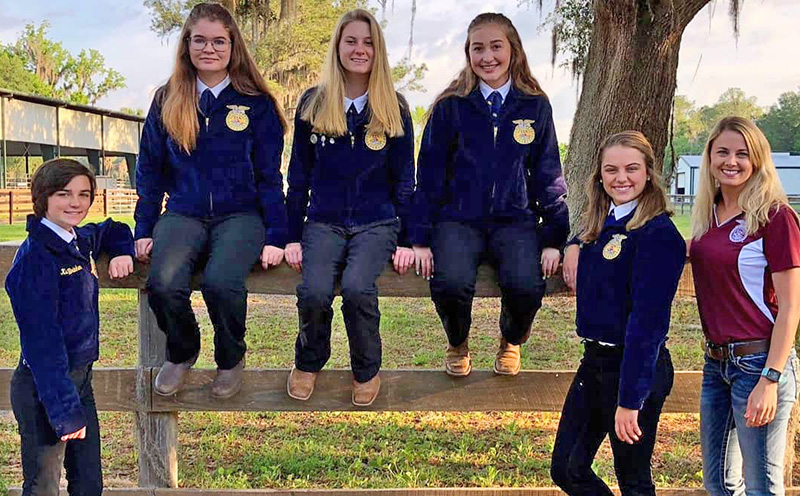
The Tate and Northview high school horse judging teams brought home big wins from Gainesville, including a state championship for the Tate FFA.
The Tate High School team (pictured above) placed first in the state. This was the first time in over 20 years for a Tate team to win state in the event. Members of the Tate FFA Horse Judging Team are Kaelin Brinker, Molly Graham, Raven Hollis and Victoria Kelson. Kelson led Tate’s team coming in as the highest scoring individual in the state. Team members Graham, Hollis and Brinker all finished in the top 25 in the state.
The Tate team was coached by advisor Erin Lawall, a former Texas A&M Horse Judging team member and 2010 National NRHA Futurity winner.
The Tate team members practiced non-stop since August to prepare for this competition. They will travel to Indianapolis, IN, in October to compete at the national level.
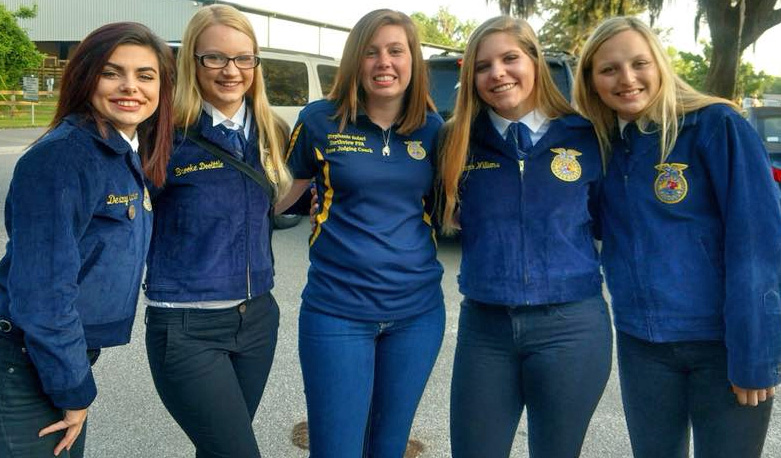
The Northview High School team (pictured below), placed seventh in the state. This was the first time a Northview Horse Judging team has made it to the state finals. Members of the NHS FFA Horse Judging Team are Autumn Williams, Brooke Doolittle, Destiny Cleckler, Olivia Porter and Coach Stephanie Solari. Individually, Porter place 13th in the state, and Williams placed 14th.
In the Horse Evaluation Career Development Event, students evaluate and rank horses based on breed characteristics, conformation and performance then proceed to write and memorize oral reasons and present them to judges.
Pictured top: The Tate High School FFA Horse Judging team. Pictured below: The Northview High School FFA Horse Judging team. Photos for NorthEscambia.com, click to enlarge.
Jim Allen Elementary Names Students Of The Month
April 9, 2018
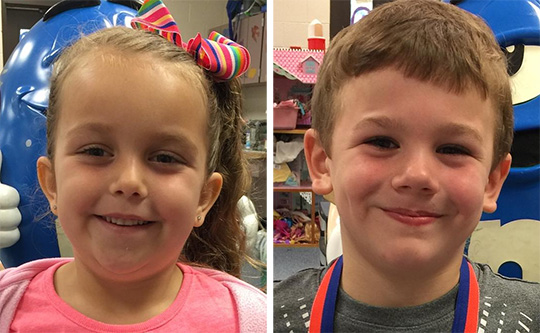
Jim Allen Elementary School has name students of the month. They are Macey Echols and Carson Jordan. Photos for NorthEscambia.com, click to enlarge.
Tate High Graduate Buck Completes Basic Military Training
April 8, 2018
U.S. Air Force Airman Justin F. Buck graduated from basic military training at Joint Base San Antonio-Lackland, San Antonio, Texas.
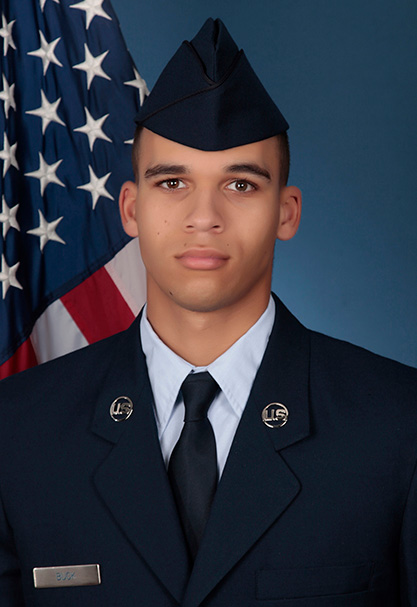 The airman completed an intensive, eight-week program that included training in military discipline and studies, Air Force core values, physical fitness, and basic warfare principles and skills.
Airmen who complete basic training also earn four credits toward an associate in applied science degree through the Community College of the Air Force.
Buck is a 2016 graduate of Tate High School of Cantonment.
Owl Rescued From Tangled Fishing Line Is Released Back Into The Wild
April 6, 2018
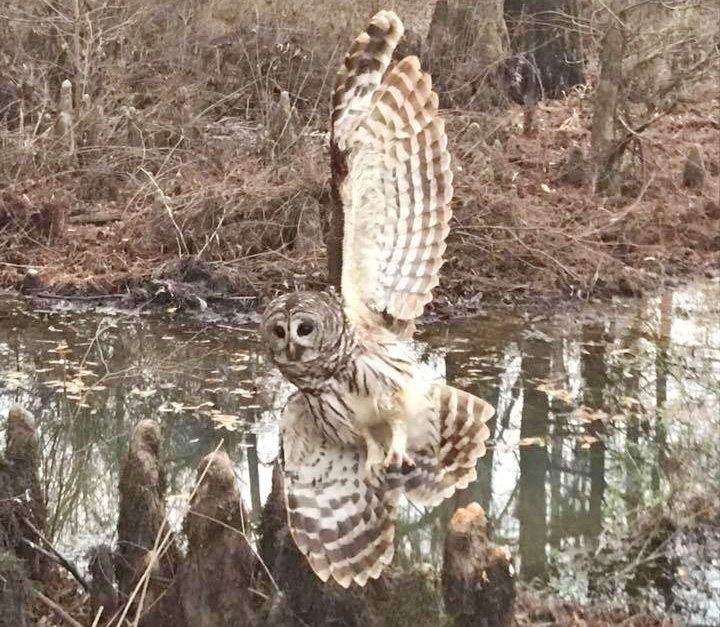
A barred owl — better known as a hoot owl — rescued near Century back in January has been released back into the wild.
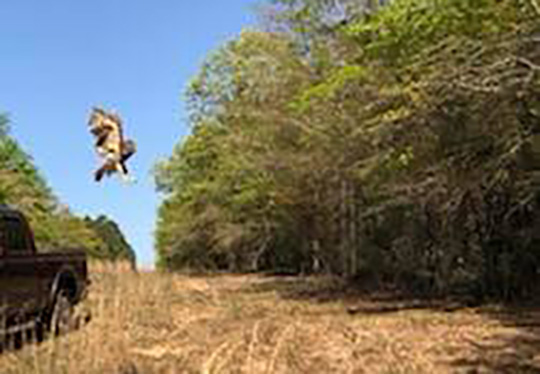 The female owl was successfully rehabilitated and released near Walnut Hill on Thursday.
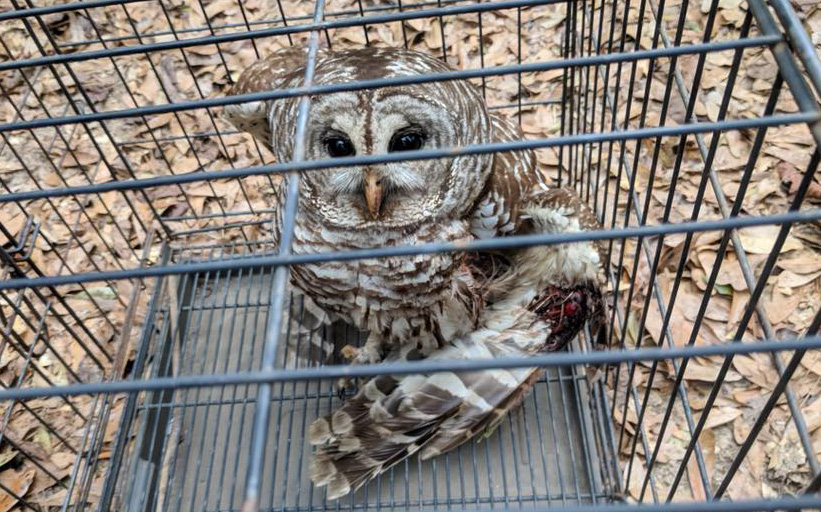
NorthEscambia.com first brought you the story about the owl on January 28, the morning after it was found hanging by a wing that was tangled in fishing line at Salter’s Lake. After being rescued by a group of local residents, the owl was picked up by the Florida Fish and Wildlife Conservation Commission and transported to the Wildlife Sanctuary of Northwest Florida.
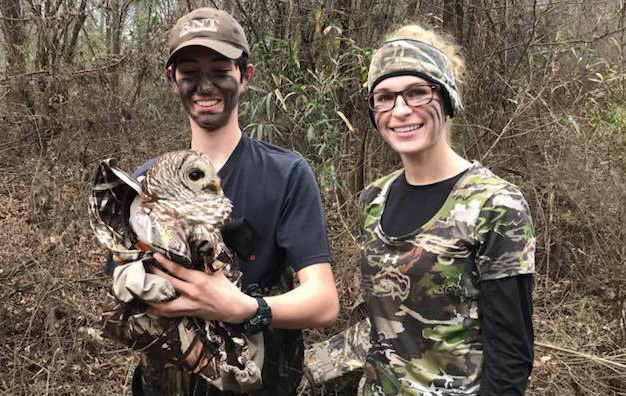
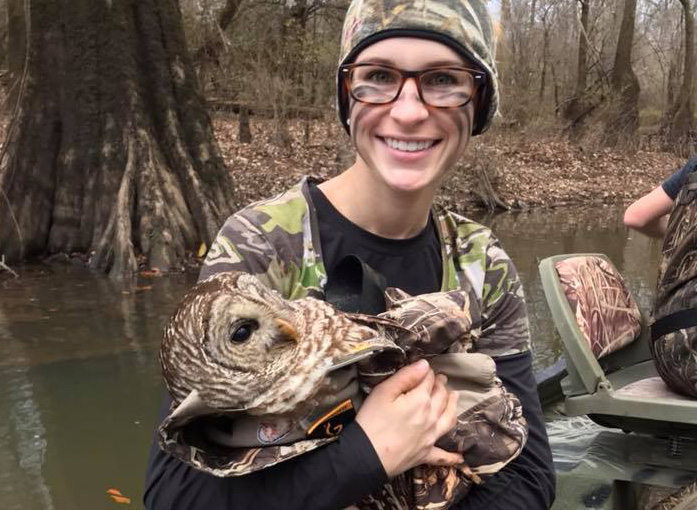
Ben Preston, David Preston, Ross Daughdrill, Lakelynn Parker and Tammy Parker were hunting when Ben Preston went out to retrieve a duck that had fallen into a wooded area. He came upon the owl hanging from the fishing line. They covered the owl with a bag while the fishing line was cut. Ben and Lakelynn wrapped the owl in Ben’s jacket and put him in their boat.
They called the Florida Fish and Wildlife Conservation Commission, and a FWC officer met them at the Salter’s Lake Boat Ramp to pick up the owl.
The FWC warns that that monofilament fishing line and fishing hooks can snag and entangle birds, sea turtles and manatees, leading to injury and even death.
“People can prevent injury and death to wildlife by committing to stop litter of tackle and monofilament line,” said FWC biologist Ricardo Zambrano.
Tackle should be checked frequently for frayed line that may easily break. Unwanted or damaged line should be stored safely and securely until it can be placed in a recycling bin. The FWC urges those outdoors to pick up, secure and appropriate dispose of any fishing line they may see.
Photos by Ross Daughdrill and Tammy Parker for NorthEscambia.com, click to enlarge.
Ernest Ward Middle Names Students Of The Month
April 6, 2018

Ernest Ward Middle School has named students of the month for February and March.
February students of the month are: Jaquez Moorer, sixth grade; Madison Rowinsky, seventh grade; and Naveah Brown, eighth grade (pictured above, L-R).
March students of the month are: Isabella Sanders, sixth grade; Zacharie Jones , seventh grade; and Khiazhia Jones, eighth grade (pictured above, L-R).
Submitted photos for NorthEscambia.com, click to enlarge.

Escambia County 4-H Livestock Show Results Announced
April 5, 2018
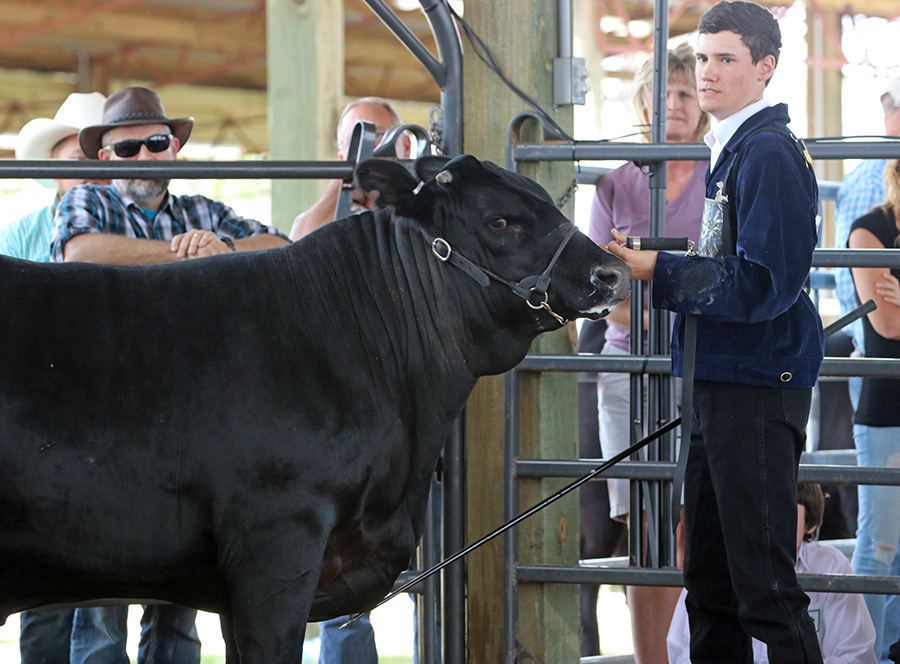
Youth from Escambia County and surrounding areas had the opportunity to show off their animals and compete for prizes last recently at the Gulf Coast Agriculture and Natural Resources Youth Organization’s annual Spring Livestock Show in Molino.
The livestock show , featured animal exhibits of swine, cattle, poultry, sheep, goats and more. Is was the culmination of livestock projects by 4-H youth and FFA members lasting 100 days or longer, during which they raise their animals, monitor their health and nutrition, keep records and work to obtain a buyer.
For a photo gallery from the livestock show, click here.
The livestock show took place at the 4-H barns located at 5701 Highway 99 in Molino, in conjunction with the Blue Jacket Jamboree hosted by Northview FFA.
The results of the 2018 livestock show, separated by category, are:

Tate String Orchestra Receives High Marks At National Orchestra Festival
April 4, 2018
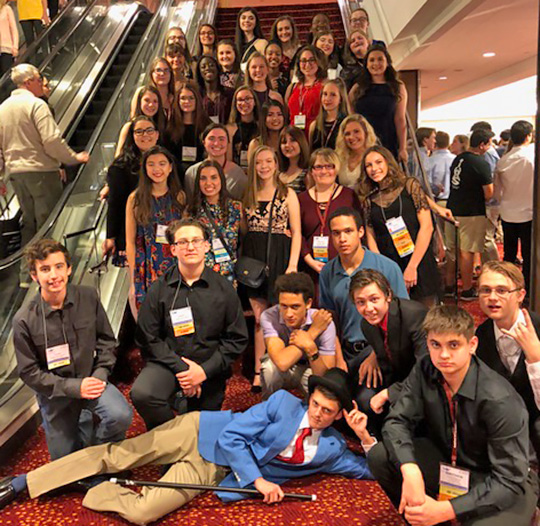
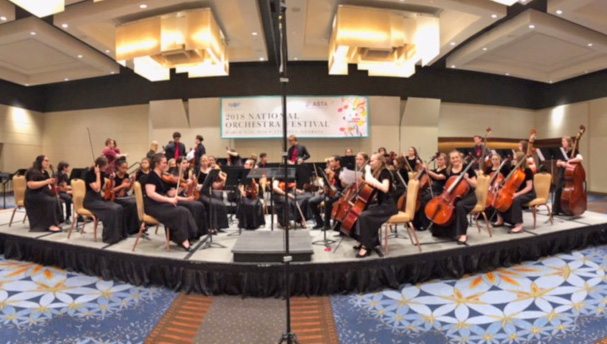
The Tate High School String Orchestra recently received high marks in the annual National Orchestra Festival in Atlanta.
“This was a significant step for us and something I always wanted to do” said Catherine McConnell, the Tate High Orchestra director. “So, we were ecstatic when we found out that we qualified, and started practicing hard and raising funds right away.”
The Tate orchestra also worked with members of the Pensacola Symphony Orchestra, receiving professional feedback during sectional rehearsals throughout the year.
The orchestra prepared a program of seven pieces and performed for an panel of three nationally-renowned and esteemed orchestra adjudicators. The judges commented on the orchestra’s high level of preparation and energy, awarding both Excellent and Superior ratings.
While at the National Orchestra Festival, the orchestra students were able to attend a variety of professional sessions focusing on aspects of string performance and education, and also see another top orchestra perform. Following Tate’s concert performance, the orchestra was able to participate in a 45-minute clinic led by a leading orchestra professor.
“It gave me a brand new perspective of our orchestra. Before we went, I thought it would be just local orchestras from around our region,” said senior concert master Caroline Bruns. “I found out when we arrived that we would be observing an orchestra from Honolulu perform. This made me realize that we’re not just a little orchestra from Florida, but one that is good enough to perform at the same festival as those from across the country. My favorite part was seeing people from all over the United States who love orchestra as much as I do.”
“We were blessed with an amazing opportunity,” said Tate freshman Micheala Bragg. “From that opportunity grew unity and an experience unlike any other. I will cherish it always.”
The Tate orchestra will perform May 7 at 7 p.m. during the Ransom Middle and Tate String Pops concert in the auditorium at Washington High School. Admission is free.
Photos for NorthEscambia.com, click to enlarge.